What We Know About the Bedford Train Crash and Why Investigators Suspect a Signal Error
Two passenger trains collided near Bedford on June 20, 2026, killing one person. Investigators are looking closely at a passed red signal as a likely cause, according to The Guardian.
The Rail Accident Investigation Branch (RAIB) is the UK agency that investigates train accidents. They're doing a full investigation now and have to release a preliminary report by June 26 — just two days after this was written. This quick timeline is standard when accidents are serious. The preliminary report doesn't declare who was at fault. Instead, it flags any urgent safety steps the rail industry needs to take immediately, before the full investigation finishes (which typically takes 12 to 18 months).
What Is a Passed Red Signal?
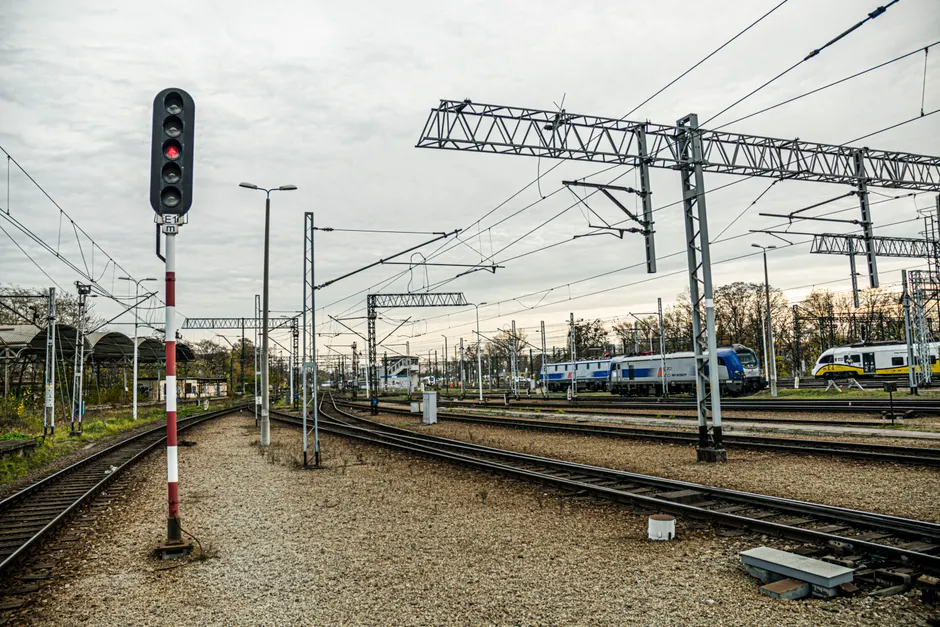
A "signal passed at danger" (SPAD) happens when a train goes through a red signal that should have stopped it. It's one of the most closely watched safety issues in UK rail.
Over the last 30 years, the rail industry has added multiple layers of protection. The most important is called the Train Protection and Warning System (TPWS). When a train runs a red signal or approaches one too fast, TPWS automatically applies the brakes. This system became mandatory on the whole network after the 1999 Ladbroke Grove disaster, which killed 31 people. Investigators will need to check whether TPWS was working on the trains and signals involved in the Bedford crash.
Newer Safety Technology at Play
The UK is gradually rolling out a newer European system called the European Train Control System (ETCS). Unlike traditional signals beside the track, ETCS sends signals directly into the train's cabin. It's more advanced and leaves less room for human error.
Bedford is on the Midland Main Line, a major route that has been getting upgraded with new electrical lines and signalling systems for years. The specific section where the crash happened will need to be checked to see what safety systems were actually in place.
What We Still Don't Know
One death has been confirmed. The number of people seriously injured, the exact type of trains involved, their operators, and how many cars were in each train — none of that has been officially confirmed yet. The RAIB interim report on June 26 should clear up what happened, which signals were involved, whether the protection systems worked, and any emergency orders given to train operators.
Who Decides What Happens Next
The Office of Rail and Road (ORR) is the government agency responsible for rail safety. After RAIB releases its findings, the ORR will decide whether to open formal investigations into the train company or Network Rail, which manages the track itself.
Both organizations are legally required to cooperate fully and share all information. History shows that figuring out blame — whether it lies with the people running the trains or the people who manage the tracks — is often contentious and takes careful work. The RAIB will need to be precise before publishing its preliminary findings.
What Happens in the Next 48 Hours Matters
For rail safety experts and train operators, everything turns on that one report. If the RAIB finds any immediate safety concerns, it will issue orders. These might include re-examining how red signal risks are managed at certain locations, or checking whether all parts of the network have working TPWS protection. These orders have to be obeyed right away — they're not suggestions. The whole point is to stop another accident like this from happening while investigators are still gathering the full picture.