The Conservationist Who Saved Sea Turtles, and What Her Death Means
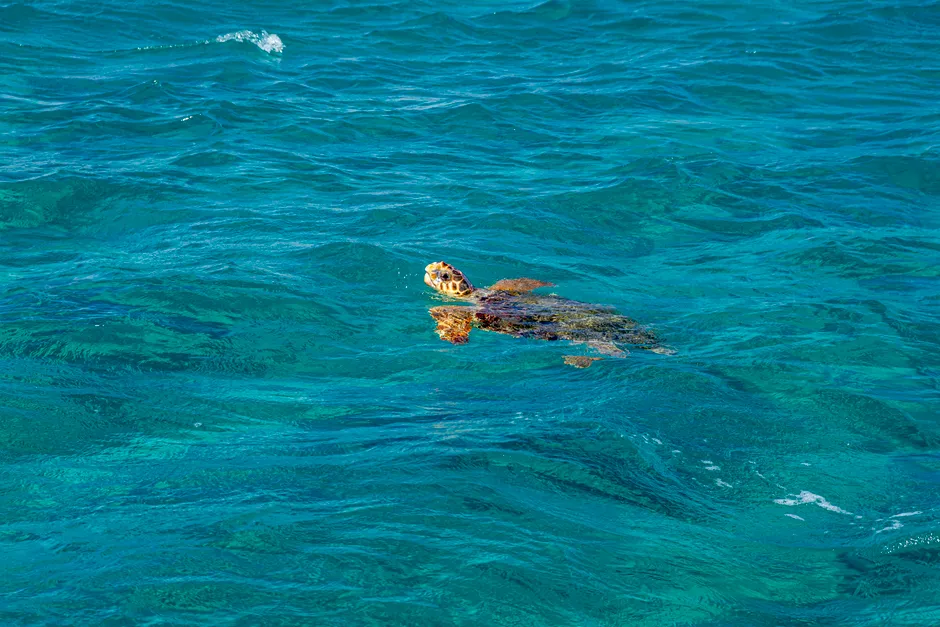
Mona Khalil spent 26 years protecting sea turtles on Lebanese beaches. On June 20, 2026, she died two weeks after an Israeli airstrike hit her home near Tyre, according to Al Jazeera.
Khalil ran her conservation work from a property she called the Orange House, which served as both her home and her office. She founded the Orange House Project around 2000 to protect loggerhead sea turtles on two beaches in southern Lebanon: Mansouri and Qoleileh.
Khalil never planned to become a turtle expert. In 1999, she encountered a sea turtle by chance, and it changed the direction of her entire career. Within a year, she had established her project and started monitoring the beaches where these turtles came to lay eggs.
Why does this matter? Loggerhead sea turtles are endangered. Their numbers have dropped sharply over the past fifty years because of coastal development, fishing nets that trap them by accident, and artificial light that confuses females trying to nest. Lebanon's beaches are some of the last places in the Eastern Mediterranean where these turtles still lay eggs. The Orange House Project was the only organization consistently monitoring and protecting these nesting sites. According to Reuters reporting from 2017, Khalil and her team worked daily to stop beachgoers and construction from disturbing nesting areas.
The airstrike destroyed or severely damaged her home and facility. No one yet knows if her records and equipment survived.
Here is what makes Khalil's death especially significant: she was the irreplaceable expert on those specific beaches. She knew where the turtles nested, which areas were safest, and which local communities could be trusted as partners. Turtle nesting season in Lebanon runs through the summer. With Khalil gone, no one is monitoring the 2026 nesting season at the sites she protected. Satellite images cannot capture what a trained scientist on the ground can see day to day.
South Lebanon has been the site of conflicts that have interrupted conservation work before. Israeli military operations in the region have targeted infrastructure associated with the militant group Hezbollah. The Israeli military has not publicly commented on whether this particular airstrike was intentional or accidental.
International law exists to protect cultural and scientific sites even during conflicts. These rules are written into treaties like the 1954 Hague Convention. The problem is enforcement: when military operations are happening, these protections often exist only on paper.
The real question now is whether Khalil's work can continue. Her project's records, her connections with local communities, and her equipment matter enormously for a population of turtles that has no other protected nesting area on that coast.


