Mona Khalil, Who Protected Sea Turtles in Lebanon, Dies in Airstrike

Mona Khalil, Who Protected Sea Turtles in Lebanon, Dies in Airstrike
Mona Khalil, an environmental activist who spent her life protecting sea turtles along Lebanon's coast, died on June 19, 2026 from injuries caused by an Israeli airstrike on her home near Tyre. She was 76 years old.
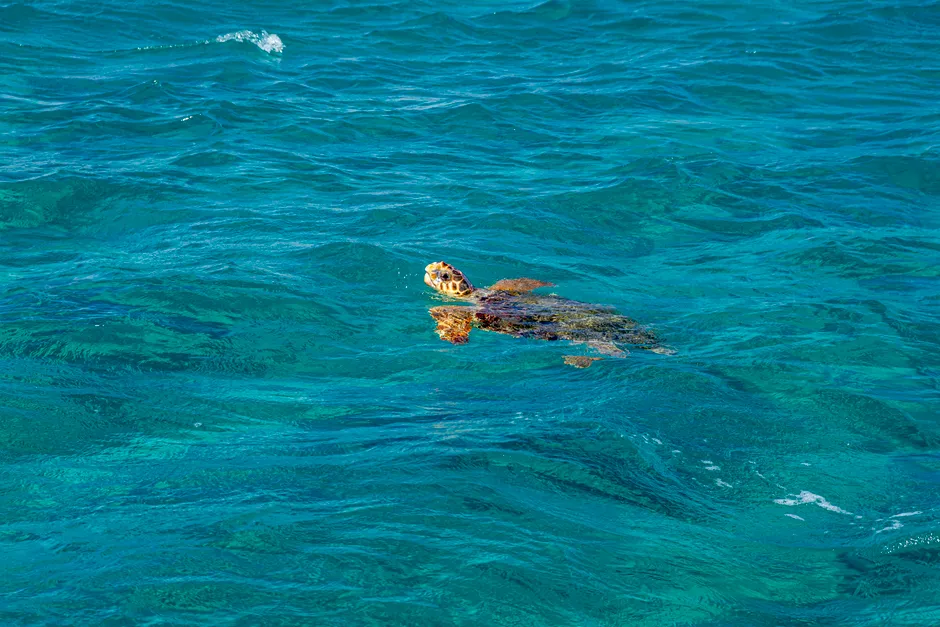
Born in Lagos, Nigeria in 1949, Khalil became known across Lebanon for her work saving endangered sea turtles. Specifically, she protected two species — loggerhead and green sea turtles — that return to the same beaches to lay their eggs. Both species are endangered and protected by international wildlife laws. Al Jazeera reported that she was severely wounded in the strike and died from those injuries.
The beaches of southern Lebanon near Tyre are among the most important turtle nesting areas in the Mediterranean. Sea turtles are remarkable because they return to the exact beaches where they were born to lay their own eggs. This means those beaches must remain stable and protected — any major disruption threatens the entire species. Khalil spent decades watching over these beaches, protecting nesting sites despite years of conflict, building development, and now active fighting.
The New Arab called her a "sea turtle protector and guardian of south Lebanon." That title captures what she actually did: scientific expertise combined with a steady, physical presence on the ground — doing work that few others could or would do.
The airstrike that killed her struck her home during ongoing Israeli military operations in Lebanon. No official statement has confirmed the military purpose of this specific strike. Her death places her among the civilians killed as the line between homes, farmland, and military targets has become harder to distinguish.
For people working in conservation, her death matters in a specific way. Protecting turtle beaches in an active war zone requires more than knowing the science. It requires being there at night during nesting season, stopping poachers, and knowing the local people and how to work with them. That kind of continuous presence cannot be quickly rebuilt. Research teams can study maps and data, but they cannot easily replace the trust and knowledge a single person built over 40 years.
Lebanon's coast has experienced conflict repeatedly — major wars in 1982 and 2006, and the current fighting. Each time, environmental monitoring stops and the connections between conservation groups and local communities break apart. Khalil's presence helped keep that work going through the difficult periods. Now that continuity is lost.
She was 76 and still working.