Why Bank Stocks Had a Rough Day

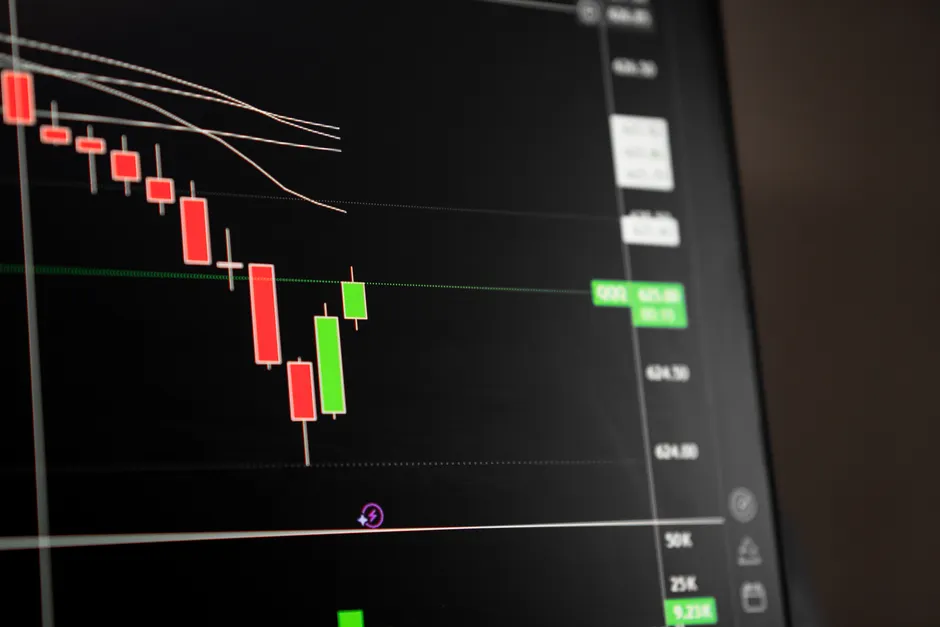
Bank stocks fell the most on September 22, 2026. The financial group in the S&P 500 dropped 1.68%. Six of the 11 groups ended lower. Communication services lost 0.8%, according to Reuters.
Banks fell more than the wider group. The S&P 500 bank index dropped 2.7% on Tuesday, September 22, according to Reuters. Ameriprise shares fell 4.4%. Raymond James shares lost more than 3%.
The drop followed big moves around jobs and interest rates earlier in the month. MarketWatch reported on September 4 that stocks fell after jobs data raised the chance of a Federal Reserve rate hike, while small company stocks were headed for a gain. Less than two weeks later, MarketWatch reported the Dow ended 630 points lower, with the S&P 500 and Nasdaq also down, after a Fed rate move pushed the 10-year yield above 5%. Yield means the yearly return on a loan. The 10-year yield sets costs for mortgages and many other loans, according to MarketWatch.
Barclays strategists said on August 25 that financial stocks and defensive sectors face pressure as tighter financial conditions weigh on earnings and valuations, according to MarketWatch. Tighter conditions means higher borrowing costs. That note came before the September jobs report and the September Fed decision. It described the risk as a squeeze on both profits and how much investors will pay for each dollar of profit, not just bad loans.
The Fed published its H.15 Selected Interest Rates daily release for September 22, 2026, reporting yields in percent per year. Reuters published an explainer on September 1, carried September 2, on why rising U.S. Treasury yields matter for borrowing costs and asset prices. Separately, the U.S. Treasury said the maximum size for buyback operations would rise from $2 billion to at least $4 billion per operation, effective September 9, 2026, according to the U.S. Treasury. Buybacks are when the government buys back its own debt to keep trading smooth.
Other numbers come from different times and should not be read as taken at the same moment. Bloomberg sector data reported U.S. Financials at -1.98%, U.S. Materials at +1.90% and U.S. Consumer Staples at +1.20%. S&P Dow Jones Indices reported the S&P 500 Financials index at 930.48 USD, with a 1-day price return of 0.30% and price returns of 1.22% over 1 month, 11.87% over 3 months, 5.13% year-to-date and 6.90% over 1 year, according to S&P Dow Jones Indices.
The broader context here is simple for savers and borrowers. Banks can earn more when long-term rates rise, because old loans are replaced with higher-rate loans. That helps net interest income, the gap between what banks earn on loans and pay on deposits. But higher rates also hurt in other ways, through fee income, losses on bonds they hold, higher funding costs and late loan payments. When long-term rates jump fast after a Fed move and jobs data, investors often worry about those costs first and wait to see the extra loan income later.
In my view, the split on September 22 fits that pattern. Banks fell 2.7% while wider financials fell 1.68%, which points to larger swings in big and regional lenders rather than selling across the board. Large drops in Ameriprise and Raymond James suggest investors also marked down fee income from markets and money management, where values depend on assets under management and trading activity. Six sectors fell while five held up, with materials and staples positive in the Bloomberg snapshot, which argues against one broad selloff and toward a shift tied to rates.
What matters for portfolios here is the run from late August to September 22. Tighter conditions do not feed in a straight line into loan growth, loss provisions or fee income. Watch guidance on deposit repricing, wholesale funding mix and how higher Treasury yields pass into loan rates. The Treasury buyback change and the daily H.15 curve are plumbing, not drivers, but they shape cash flow and benchmark prices at the margin.