Why Bank Stocks Fell Hard on Tuesday
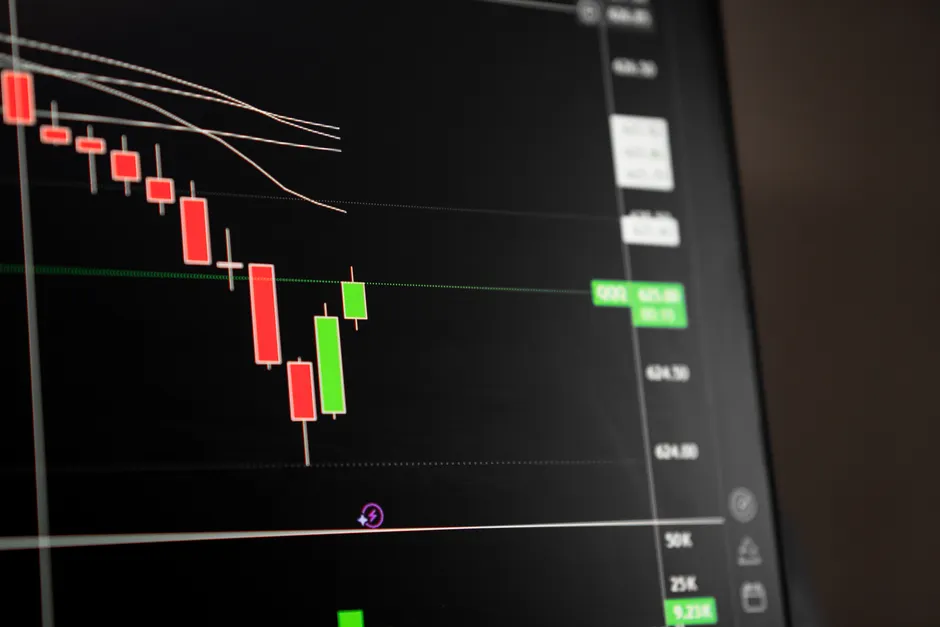
Bank stocks fell 2.7% on Tuesday, September 22, 2026, as worries about artificial intelligence and bank profits pulled financial shares lower. Reuters
A flattening yield curve was part of the pressure. That means the gap between short-term and long-term interest rates was getting smaller. Banks often earn less when that gap shrinks.
Schwab shares fell 6.1% on September 22, 2026. Ameriprise shares fell 4.4% on the same day.
The September 22 fall followed weakness earlier in the month tied to AI-related stocks. Chipmakers sold off and pulled stocks lower in September 2026 after leaders of AI giants proposed slowing development of the technology. Bloomberg
AI-linked stocks fell around the world after leaders of major AI companies warned of potentially existential risks. AI-linked Asian stocks slumped after top lab CEOs called for slowing down the technology. Reuters
The selling was broad. The S&P 500 was on track for its sixth decline in seven days amid an AI selloff. Barron's The 10-year yield, the yearly return for lending money to the U.S. government for 10 years, hit 5% on September 14, 2026, as stocks fell on AI fears. Bloomberg
Bank of America strategist Sebastian Raedler said in August that markets were mistakenly pricing the AI trade as an ongoing certainty. Raedler warned of scope for a 5% to 10% market pullback tied to AI. Morningstar
Banks had already shown weakness to the same mix. The KBW Nasdaq Bank Index fell 4.85% amid credit and AI fears. That 4.85% fall was its largest one-day drop since last April's tariff turmoil. WSJ
The broader context here is pressure coming from two places at once. Investors had bet on long, heavy spending on AI computers and data centers. Banks were tied to that through loans, fees, and bonds they hold. When doubts about AI grew, both sides fell together. Smaller gaps between rates also cut into expected bank profits from lending.
In my view, keep the August-to-September order separate from the daily noise. Raedler warned in August that markets assumed AI stocks would keep rising smoothly. September then brought bumps, first in chipmakers and Asian AI names, then in the broad S&P 500, then in U.S. banks. The February bank drop is useful background, not a perfect match. It mixed loan worries with AI worries, while September mixed AI worries with the shape of rates.
Looking at what this means for positioning, the question is how much of the bank fall reflects expected earnings and how much reflects lower price tags spilling over from tech. A 2.7% index fall with 6.1% and 4.4% falls in big names points to a scattered move, not one single cause. For risk teams, that means checking rate effects, loan risk, and AI customer risk separately, rather than treating banks as a simple stand-in for the AI trade.