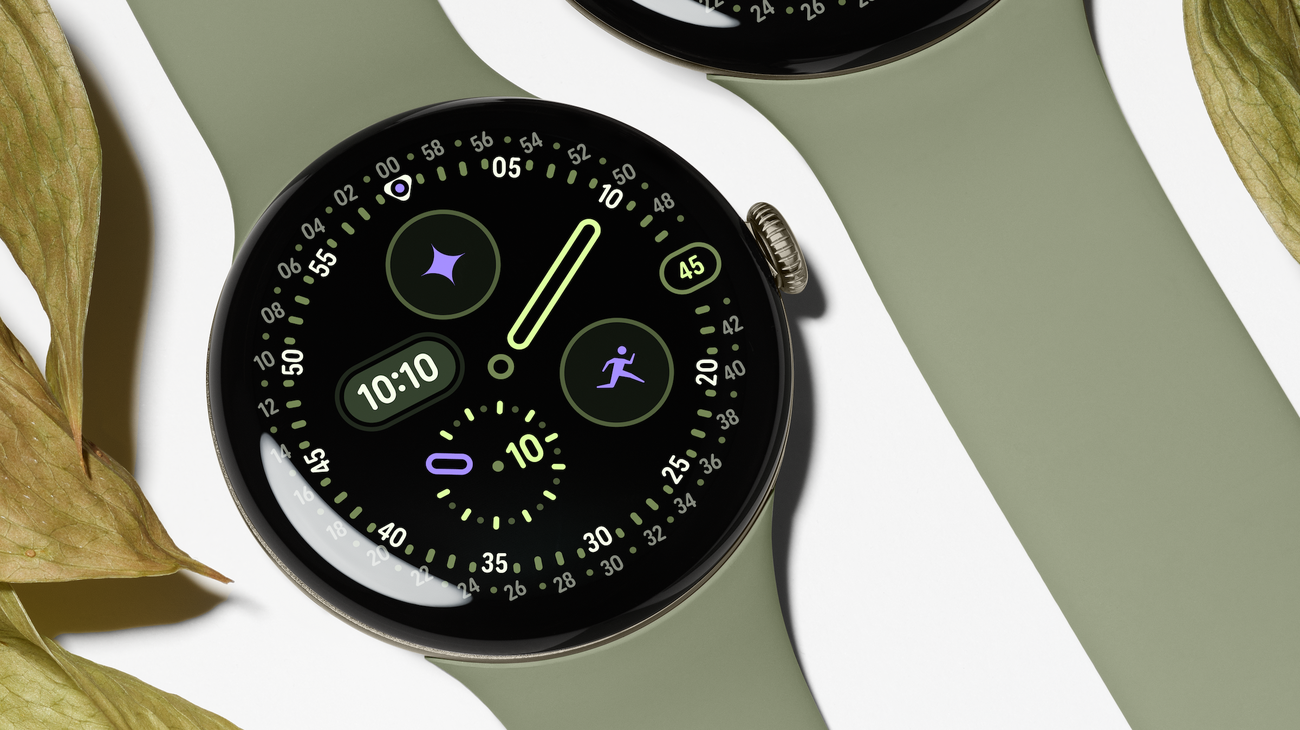
Your Pixel Watch Can Now Spot Health Trends Over Time

Google started adding its Health Guardian tools to the Google Health app in the week of Sept. 24, 2026. If you own a Pixel Watch 3, 4 or 5, you now get blood pressure trends, insulin resistance trends and sleep breathing quality scores. Engadget
The rollout comes in steps. Tracking starts when you update the app. Your first full reports arrive in early October. On Pixel Watch, these features are free.
These are not one-time readings. They are summaries built over many weeks. It is like watching the season change instead of checking today's temperature. Insulin Resistance Trends, which Google calls a first for Pixel and Fitbit watches, looks at weeks of body data to show slow shifts in how the body handles sugar. Google
Blood pressure trends work the same way. They show direction over time, not one high or low number. Sleep breathing quality does the same for how you breathe at night. You see simple trend views in Google Health, not raw sensor graphs.
There is also a safety tool with limits. In European countries, Pixel Watch 4 and 5 owners get Breathing Emergency Detection. If blood oxygen falls sharply, the watch calls emergency services on its own. Engadget
Fitbit Air is on a different path. You will need a Google Health Premium plan to get insulin resistance and blood pressure trends later this year. Pixel Watch owners do not need that plan. It is the same basic idea, with two ways to pay.
Google says these tools do not test for diabetes, high blood pressure or sleep apnea. Google They are for general wellness, not for diagnosis. The company is also working with Abbott on metabolic and women's health. Google No product details were shared yet.
The broader context here is simple. Watches are good at taking measurements. The hard part is making those numbers useful without causing worry. Looking at weeks of data smooths out noise. It also raises questions about where data is stored, what stays on the watch, and how Google updates its methods.
In my view, how Google offers this matters as much as what it does. Free on Pixel Watch makes it easy to try and gives Google a large group to learn from. Charging on Fitbit Air tests if people will pay each month for this kind of insight. Limiting emergency calls to Europe shows how much local rules and phone systems matter.
Worth flagging for clinics and app makers is the Abbott work. One watch sensor cannot tell the full story on metabolism or women's health. Pairing watch trends with trusted medical tools could help. Clear permission rules and clean data sharing will matter as much as accuracy.
The long arc here is hopeful. These low-cost trends will not replace your doctor. They can help you have a better talk with your doctor sooner. If Google keeps claims small, explains limits clearly, and keeps emergency calls dependable, users get helpful context with less effort.