Australia Is Making Two Common Weed Killers Harder to Use—Here's Why

Australia's pesticide regulator is putting new limits on two widely used weed-killing chemicals: paraquat and diquat. The agency determined that the current rules don't do enough to protect people and the environment from harm.
The Australian Pesticides and Veterinary Medicines Authority (APVMA) announced the restrictions on 23 June 2026, after reviewing evidence about how dangerous these chemicals are. Paraquat drew particular concern because of its severe toxicity to humans and its effects on wildlife and water systems.
Both chemicals work the same way: they kill weeds on contact, without needing to soak into the soil. Paraquat is popular with farmers because it works fast and kills most weeds, but it is extremely poisonous if swallowed. Even a tiny amount can cause severe damage to organs — and there is no cure. Diquat is related to paraquat and shares similar concerns, especially about contaminating water.
Other countries have already acted. The European Union banned paraquat in 2007. Switzerland, Sri Lanka, and other Asian countries have also banned it or restricted it heavily. The United States allows it but only for trained, licensed applicators. Australia's decision follows this trend, but takes a middle approach: the chemicals stay legal, but with stricter rules instead of a complete ban.
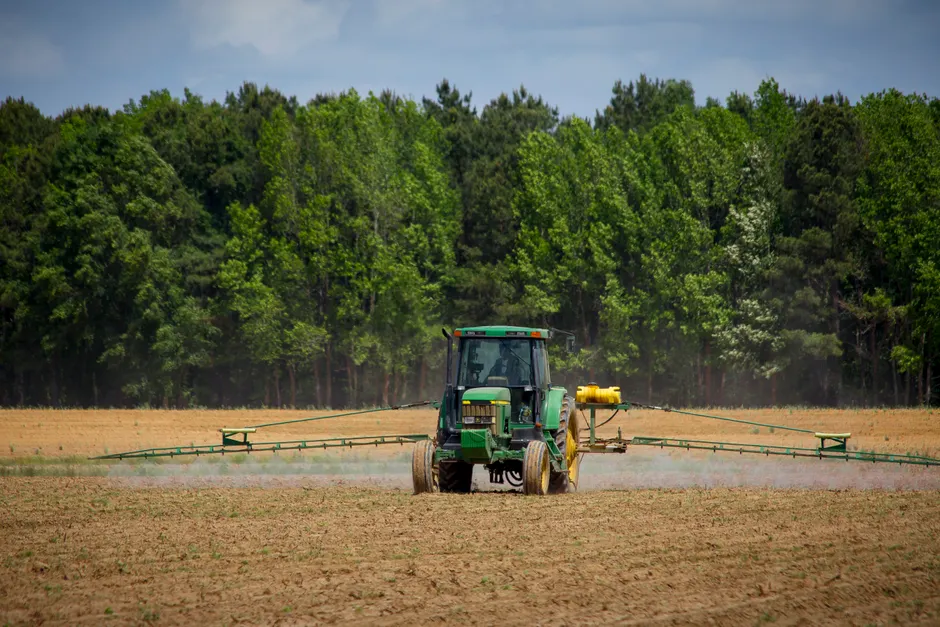
What does this mean in practice? The new rules might limit how much can be sprayed, require closed equipment, set buffer zones around treated areas, or specify how long workers must wait before entering a field. Manufacturers will have to update the labels and safety information on their products. Farmers and others cannot use these chemicals in ways that break the new rules.
Why is paraquat still used if it is so dangerous? The answer lies in a weed problem. Some weeds have become resistant to glyphosate, the most common herbicide. In farming systems that don't turn over the soil, paraquat is one of the few fast-acting alternatives left. Farmers and scientists say there aren't many good substitutes. That's why this decision is controversial — the regulators had to weigh a serious health risk against a chemical that farmers actually need.
The regulator hasn't said when the full review will finish. The announcement on 23 June suggests it will make decisions in stages as new evidence comes in, rather than wait until everything is done. Manufacturers and farmers should check the official rules directly and contact the APVMA if they have questions.