A Major Weedkiller Is Being Pulled from Australia and New Zealand. Here's Why.
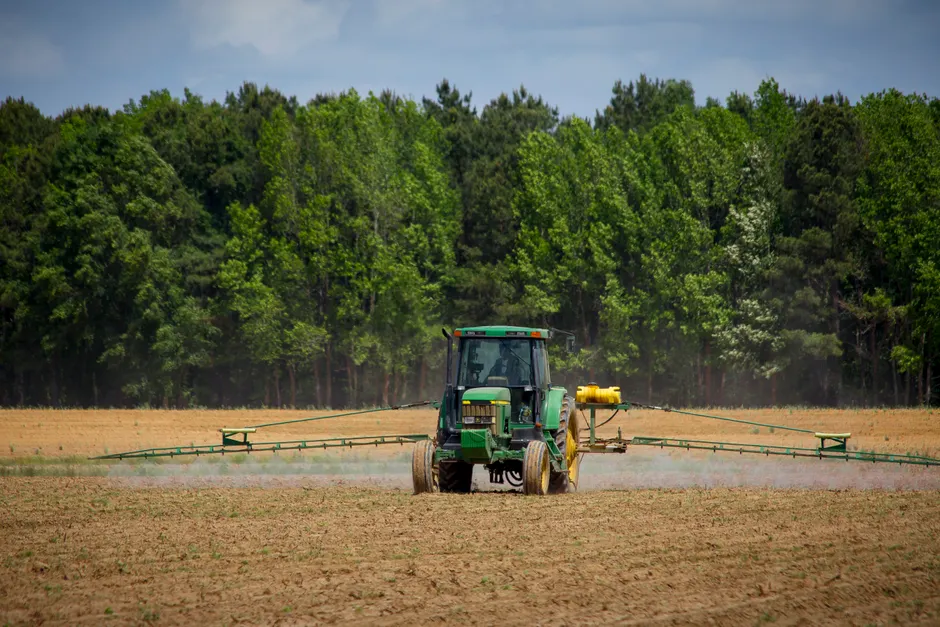
Syngenta, a large agricultural chemical company, will stop selling paraquat-based weedkillers in Australia, it confirmed on July 25, 2026. The company pointed to new safety rules from Australia's pesticide regulator and a supply chain that has become too expensive to maintain (The Guardian).
The withdrawal also covers New Zealand (Grain Central). Syngenta ANZ managing director David Van Ryswyk said the company will follow the regulator's timelines for selling off existing stock and for how long farmers can continue using what they have (The Guardian).
Australia's pesticide regulator, the APVMA, made its final decision on paraquat on 22 June 2026. This ended a safety review that had been running since 2016 over concerns about risks to human health and the environment (APVMA). The new rules are strict. The maximum amount of paraquat farmers could spray per hectare was cut from 1,150 grams to 231 grams. Backpack sprayers — the portable tanks farmers carry on their backs — are being phased out. Extra protective gear is now required (APVMA). After 22 June 2028, all paraquat products must carry updated labels (APVMA).
Syngenta said these rules, combined with rising supply costs, made selling paraquat in Australia no longer profitable (The Guardian). The Australian exit follows Syngenta's announcement that it will stop making paraquat worldwide by June 2026. In March 2026, the company said cheaper copycat versions from competitors and mounting lawsuits were the main reasons (AgNavigator.
Lawsuits have been expensive. Syngenta has settled every paraquat case before any went to trial, including one in January 2026 (Parkinson's Australia). The lawsuits claim that exposure to paraquat causes Parkinson's disease, a brain disorder that affects movement. Syngenta has consistently denied this, saying the science does not support a link (Syngenta). The company also published a rebuttal in December 2023 to a documentary by Al Jazeera that raised concerns about the herbicide (Syngenta).
Scientists, however, have moved further away from Syngenta's position. Melbourne neurologist Associate Professor Wes Thevathasan said there is global agreement that paraquat exposure is linked to Parkinson's disease, with studies showing it roughly triples the risk (The Guardian).
More than 70 countries have banned paraquat, including the entire European Union, which prohibited it in 2007 (The Guardian). As of December 2023, Syngenta sold paraquat in only five countries: the United States, Australia, New Zealand, Japan, and Indonesia (Syngenta). With the Australia and New Zealand withdrawal and the global production shutdown, that list is shrinking further.
For Australian farmers, Syngenta's exit does not mean paraquat goes away. Cheaper, unbranded versions made by other companies will still be sold (The Guardian). Syngenta's own promotional materials feature Andrew Weidemann, a third-generation farmer in southeastern Victoria, who calls paraquat essential to his livelihood (Syngenta). Farmers value paraquat because it kills a wide range of weeds and helps manage weeds that have become resistant to other sprays, especially in farming systems that avoid ploughing the soil.
The broader context here is that safety rules and business math have been tightening at the same time. Cutting the allowed spray rate to about one-fifth of what it was before is a practical limit, not just a paperwork change. For a company like Syngenta, lower usage rates, new equipment rules, more protective gear, and ongoing lawsuits all squeeze profits until a product costs more to keep than it earns. The decision to leave rather than adapt suggests it was the overall direction of regulation, not any single rule, that pushed the company out.
The fact that unbranded versions will still be sold means the health and environmental questions the regulator wanted to address do not disappear with Syngenta's departure. Other manufacturers without the same brand reputation to protect or lawsuits to face may keep selling paraquat under the new, stricter rules. Whether those rules are enough to reduce the risks the regulator identified, or just change who sells the product, is the question regulators, farmers, and health advocates will be watching in the years ahead.