Meta Wants Early Testers for Its Muse AI Helper
Meta is letting people request early access to new features for Muse, its personal AI helper. Requests opened on September 25, 2026, after Meta showed the updates at its Connect 2026 developer conference. TechCrunch
Joining is optional. Users can join the list by asking Muse, "Can you let the Muse team know I want to be part of the Muse early access program?" Meta also posted a link on X that, when shared with Muse, records interest in joining.
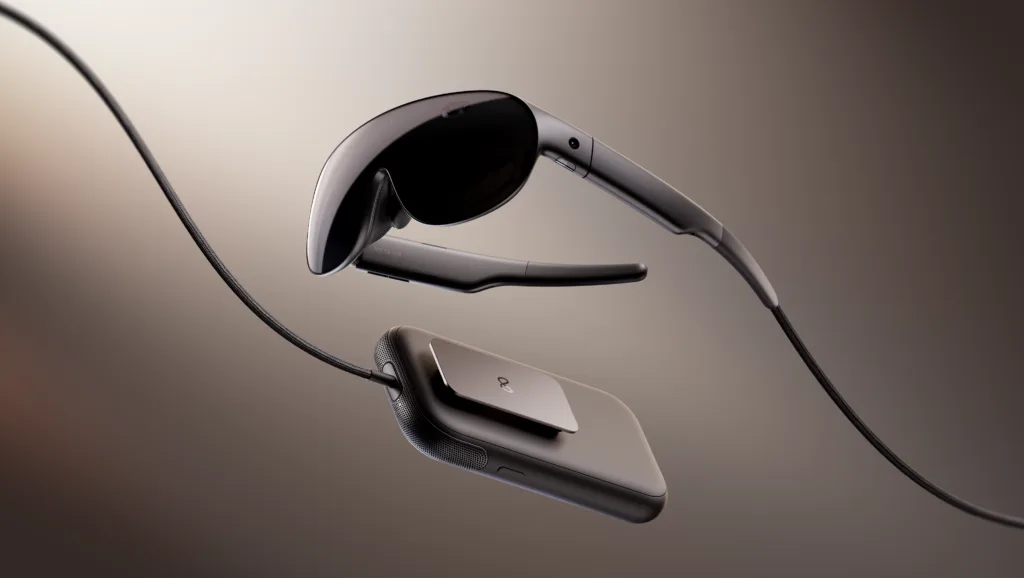
The new features let Muse stay with a task longer and do more on its own. They include a digital face for Muse that users can video chat with, new shopping partners and connectors that link Muse to other apps, and a larger Muse app for Mac that can use the computer to finish jobs. Muse is also coming to Meta's AI glasses, which respond to a wake word and voice commands.
Muse launched on September 8, 2026, in the US in its own app and in WhatsApp. Reuters Meta calls it the world's first personal AI agent, a safe and private helper that plans ahead and offers ideas. Meta It links to email, calendar, Instagram and other apps, plus payment and health apps, according to Meta's product documents. It can send emails, book trips, and handle jobs like selling a car. Reuters
Meta said Muse will become the main way to use its glasses. Through glasses, users can shop, set appointments, and finish tasks by speaking. Reuters On AI glasses, Muse can also act on what the user is looking at, with no need to describe it. Meta
Underneath is a smarter core system. At Connect 2026, Meta showed Muse improvements including new features, connectors, and a state-of-the-art model. That builds on Muse Spark, which Meta described as its most powerful model yet for a smarter and faster assistant. Meta A related tool, Muse Image, added more than 30 AI effects for Instagram Stories.
The broader context here is what these pieces test together. Think of Muse less like a search box and more like a helper who stays in the room. The video face tests longer talks. The Mac app tests letting it click and use files safely. The glasses test quick voice help with little delay.
In my view, Meta is putting Muse where each device fits best. The app and WhatsApp reach many people. The Mac is where longer work happens. Glasses help hands-free, when describing what you see takes effort. If early users talk longer, hand off computer jobs, and buy by voice, that points to one helper across devices. Tools that are easier to use tend to get used for bigger jobs, and safety controls for identity, payments, and data will count as much as smarts.