Meta's Muse AI Is Getting Its Own Email and More Ways to Help
Meta will give its Muse AI helper its own email address, the ability to use a Mac, live video chat, and a version for smart glasses in the coming months. The Verge detailed the updates on Sept. 23.
Each Muse helper will get its own email address to finish tasks, and you can email your helper there too. Email works with almost every online service. With its own inbox, Muse has its own identity. It can wait for replies, keep receipts and confirmations, work with people and services, and work where there is no direct app link.
The Muse Mac app will learn to use your computer. Meta has not explained the safety rules or limits for this in the material covered here. Instead of using built-in links, Muse will click buttons and type, much as a person does. That lets it work with many more programs. It also brings new risks around misreading the screen, losing track of steps, or making changes that cannot be undone.
You will soon be able to have live video talks with your Muse figure, in addition to text chat. You can choose how it sounds. You can already change how it looks. A new Muse Realtime Avatar model will shape how it moves.
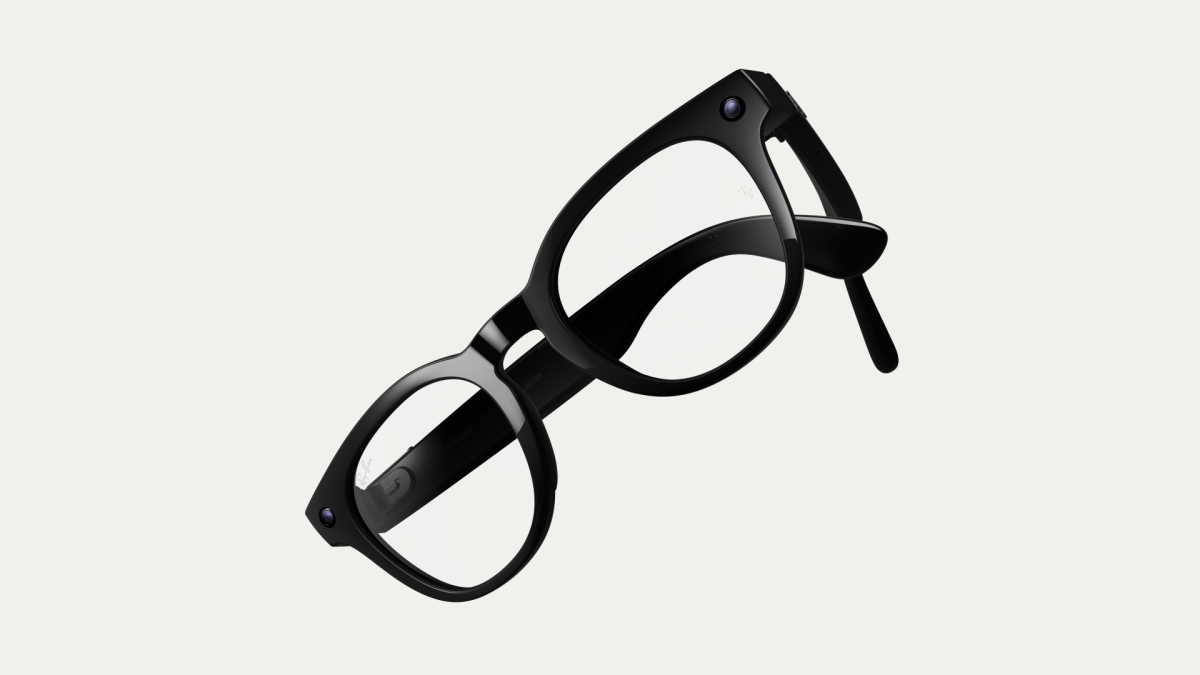
Muse is also coming to Meta's smart glasses in the coming months. With the glasses on, you can talk to Muse about what you see. Voice is the main control, and the camera view gives you both the same picture.
The updates follow the Sept. 8 launch of Muse in the US in a dedicated app and on WhatsApp. Reuters reported that launch setup. Meta called its announcement 'Introducing Muse: The World's First Personal AI Agent Built for Everyone' and describes Muse as a secure, private helper that works ahead of your goals and suggests ideas. Meta published that on Sept. 8.
Inside, Meta says Meta AI runs on Muse Spark 1.1. Meta said on July 24 that this system can link to email and calendar to handle tasks for you. Muse can also link to Instagram, product material says. Meta lists that link and says Muse can make its own tool when no tool exists. In practice, Muse can use other apps to make payments, book travel, and finish jobs such as selling a car. Reuters reported those examples on Sept. 22.
Meta is also testing a "human concierge" for Muse. Reuters reported the test on Sept. 22. Meta lists Muse Image, Muse Spark, Muse Glimmer and SAM 3 among its newest AI research. Meta includes them in its research overview.
The broader context here is a change from chat tools that answer questions to helpers that stay with you. Email, computer use, a face and voice, and glasses all point the same way. The helper stays with you over time and across devices.
In my view, that is a sound path to usefulness, and it raises questions about keeping clear records, setting limits on what Muse may do, and keeping passwords separate.
Worth flagging is that making its own tools and using a computer go beyond set links, so clear logs of what Muse did matter for trust.
If Meta sets those limits well, the gain is everyday rather than flashy. Less repeating yourself. Fewer lost tasks between phone, computer, and the real world. I watched my kids pick up each new screen without a second thought, and I expect the same here if Muse handles plain daily work. It helps most by quietly taking small coordination jobs off your plate.