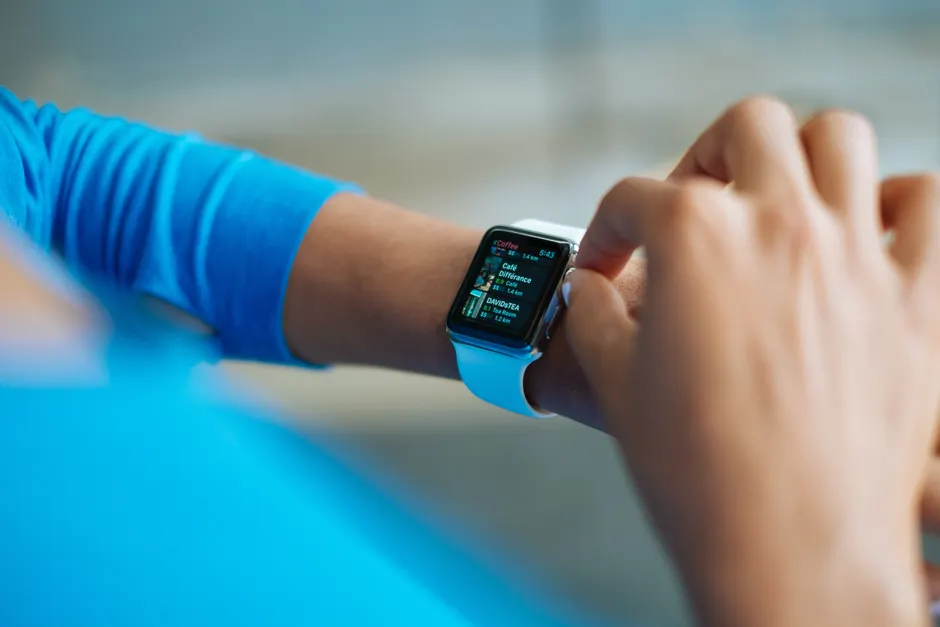
QALO Made a Simple Wristband to Go With Its Smart Ring

QALO has announced the SL-1 Smart Band, a wristband with no screen made to be worn with its smart ring. It costs $199.95 and needs no monthly subscription. Engadget
The band tracks movement, sleep, heart rate, stress, skin temperature, blood oxygen and heart rate variability. Blood oxygen means how much oxygen is in the blood. Heart rate variability means tiny changes in the time between heartbeats. It also gives health and fitness insights and tracks menstrual cycle. Engadget
Those readings become a Q-Score, a daily score from 1 to 100, like a school grade for the body. The ring and the band use the same app and the same profile, so one person does not need two accounts.
QALO says the ring and band keep sleep, vitality and movement in one steady record in the QALO app. QALO You can switch between the two without starting a new history.
QALO describes the SL-1 as another way to get health data when a ring is not practical. QALO It is made for running, cycling and HIIT workouts. A ring can get in the way under gloves, on grips and handlebars, or around a barbell. The wristband covers those times so the record has no gap.
Sales will start on QALO's own website, where orders include a spare strap. The SL-1 will reach Walmart later in the fall.
Pricing matches the SR-2 Smart Ring, which QALO also lists at $199.95. The company's smart devices have no subscriptions and are HSA/FSA eligible. The smart ring is pay-once, with full features included and no monthly fee.
The SL-1 joins a ring-focused lineup. The SR-1 Smart Ring is also called the QRNT Original Smart Ring. The company also launched the QRNT Slim smart ring, described as 25 percent thinner and subscription-free for everyday athletes. Yahoo Finance That ring tracks sleep, HRV, stress and women's health.
Looking at the product plan here, QALO is not asking you to replace one device with another. Most companies sell bands, watches and rings as separate choices. QALO lets the wrist and the finger feed one profile. That leaves plain questions about what happens when both record the same sleep or workout, which one counts when both are worn, and how wrist and finger sensors stay in line on heart and oxygen trends.
In my view, the no-subscription part is as important as the new shape. Many rings track sleep and recovery each day but charge each month to see past results or full details. QALO charges once and keeps all features open, with HSA/FSA payment allowed. That makes a second $199.95 device easier to buy when there is no second monthly bill.
Worth flagging for work and tech readers is the use of one main score. A 1-100 Q-Score is easy to check, but much rests on that one number. People who want detail will want to see the sleep stages, resting heart rate, HRV baseline and temperature change behind it, and to download their own data. A long record helps more if you can take it with you.
The broader context here is ease of use. With no screen there is nothing to charge often, no alerts to sort, and little to do each day. My kids only kept wearing trackers when the devices stopped asking for attention and just collected data quietly. QALO is counting on that habit. Wear the ring when it works, wear the band when it does not, and let the app keep the story together.