Casio Made a Smart Ring You Can Actually Read Without Your Phone
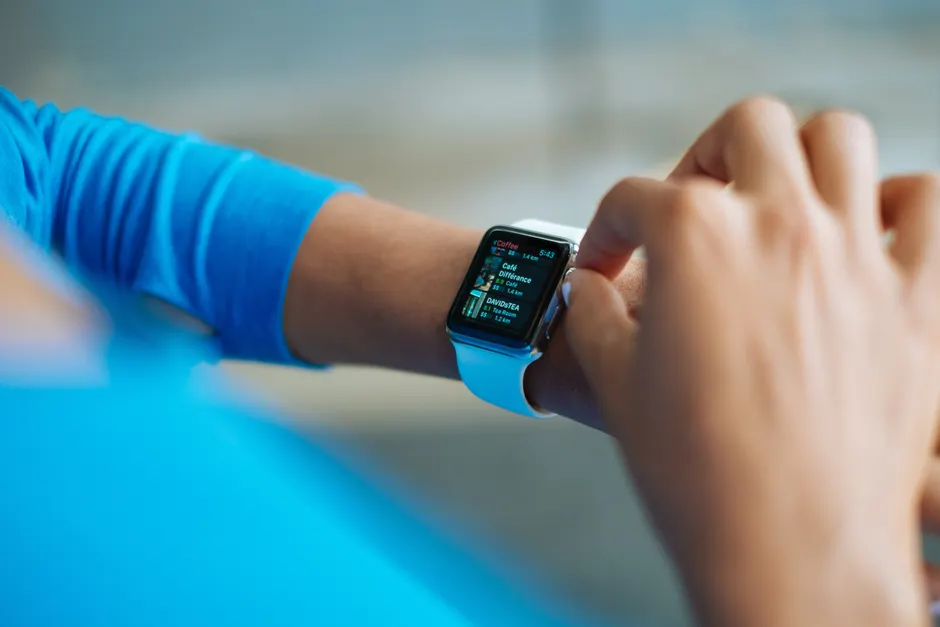
Casio has announced the CRW-H001M-8, a smart ring that has a tiny screen showing the time along with sensors that track your health. It costs about $294, taxes included. The ring goes on sale first in China, with no other countries confirmed as of the July 30, 2026 announcement. Engadget
The ring measures heart rate, blood oxygen levels, sleep, and body temperature. It also counts your steps and estimates calories burned. The battery lasts four to six days. A small digital screen on the ring itself shows a clock, stopwatch, and calendar, all worn on your finger. Tech Times
As of July 2026, this is the only smart ring you can buy that has both a working screen and a full set of health sensors. Every other smart ring, including the popular Oura ring, has no screen of its own. You have to open a phone app to see any of your data.
That difference matters in everyday use. With a screen on the ring, you can check the time or glance at a health number without reaching for your phone. What we do not know yet is how easy that screen is to read in bright sunlight, and how much faster the battery drains when the ring is always showing information on a display.
This is not a brand-new direction for Casio. The company has sold ring watches before, including the CRW-001-1, released to celebrate the 50th anniversary of Casio Watches, with an inner diameter of 20mm and a circumference of 62.8mm. Another ring-sized model, the G-Shock Nano DWN-5600, has a pulsing light that flashes when an alarm goes off and, according to Casio's Q3 FY2026 results briefing, attracted new fans to the form factor. The ring watch program combines Casio's own miniaturization technology, fitting a conventional wristwatch module into a ring, with a full-metal design and water resistance. Casio IR
Casio's mid-term plan, laid out in May 2026 investor documents, states the company's intent to expand its ring watch lineup and add smart features and advanced functionality. The CRW-H001M-8, with its health sensors, appears to be the first real product to come out of that plan. Casio Mid-Term Plan
The market the ring enters is small but established. Oura's newest smart ring launched on June 4, 2026, is 40% smaller than the previous version, and starts at $399, which is $105 more than Casio's price. Oura's business is built on health analytics delivered through a phone app, often with a monthly subscription fee. That approach has defined the smart ring category so far. Casio flips that idea: the ring itself shows information, the sensors are built in, and the price is lower than the leading competitor. CNBC
What Casio has not explained is the software side. The company has not said whether the ring works with a dedicated health app, whether you can export your data, or whether it offers any analysis beyond showing raw numbers. Oura's real selling point has never been the ring hardware itself but the app that interprets your data and gives you insights. Casio has not indicated whether it plans to compete on that front or simply offer a cheaper ring with a screen.
The broader context here is that smart rings have avoided screens for a practical reason: at the size of a ring, there is very little surface area and very little battery power to spare, and running a display takes energy. Casio's bet is that its decades of experience shrinking watch parts can overcome that physical challenge. The four-to-six-day battery life, shorter than Oura's reported figures, suggests the screen is using a meaningful amount of power, which is what you would expect given the size constraints.
In this author's view, the most interesting question is not whether the technology works but whether people want it. Smart rings without screens have already solved the problem of tracking your health quietly, in the background, through your phone. Casio is testing whether a screen on your finger adds enough value to justify the shorter battery life and the extra cost of building it.