Google's Next Cheap Pixel Looks the Same but Should Be Faster

Early design pictures said to be a first look at the Google Pixel 11A have appeared online from OnLeaks and Android Headlines. The Verge
These are not photos. They are pictures built from factory plans, and they show a phone that looks almost the same as the Pixel 10A and Pixel 9A. The only clear difference is the camera area on the back. It keeps the same sideways pill shape, but with a slightly rounder oval edge. The front, sides, buttons and overall size look unchanged.
The screen looks the same too. It has fairly thick borders around the display, with a small centered hole for the front camera. That matches the last two models. The pictures alone confirm nothing about screen size, materials or finish.
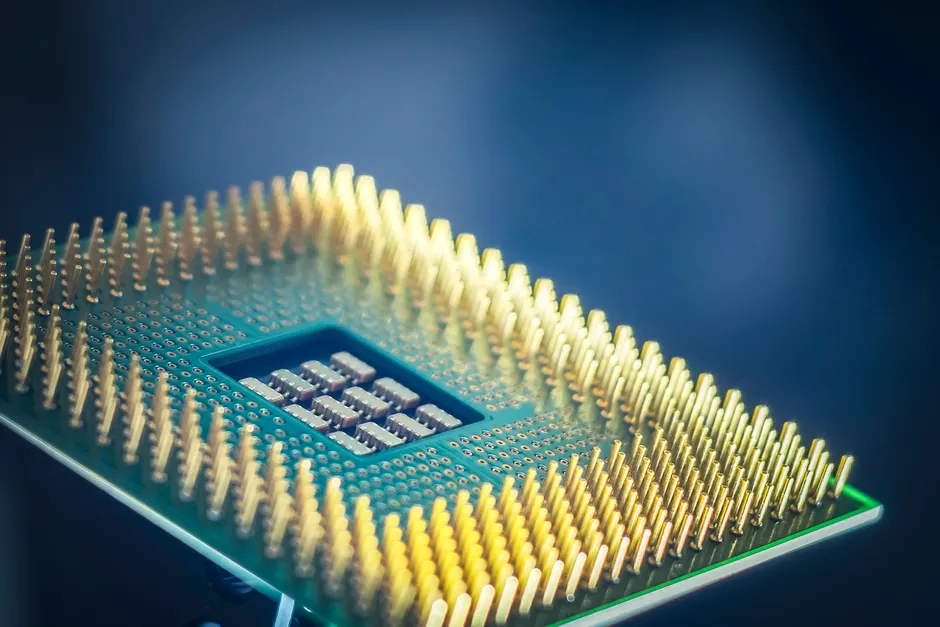
The big reported change is inside. The Pixel 11A is said to use Google's newer Tensor G6 chip, the main brain that runs the phone. The Pixel 9A and Pixel 10A both used the older Tensor G4.
The leak also gave colors and timing. The phone is reported in four colors: black, silver, green and purple. It is expected to be shown officially in Spring 2026. It was first reported under the codename "Formosan". Android Headlines
The broader context here is about keeping the same shell to save money and effort. When the outside stays the same for three models in a row, cases, factory tools, repairs and accessories can stay the same longer. It is like keeping the same car body but putting in a new engine. That keeps parts costs down and lets work focus on the chip, basic software and the camera.
In my view, that tradeoff fits a budget phone. Buyers in this price range tend to care more about steady speed, battery life under heavy use, photo quality helped by software, and years of updates than about a new shape each year.
Looking at what this means for apps, a Tensor G6 in the cheaper phone would close the gap with expensive phones. That makes testing easier for app makers and lets more smart features that run on the phone itself reach more people. Worth flagging, the pictures do not confirm speeds, memory amount, signal parts or camera sensors, so that progress should be treated as possible rather than promised.
The practical point on the screen borders is cost and toughness. They keep the screen cheaper to make and harder to break, which matters when repair money is tight. I have watched my own children ignore borders completely once a phone is in daily use, a useful reminder that complaints on paper and daily use often differ.
Over the long arc, there is no new shape here. If the spring date holds, the Pixel 11A arrives as a small update. The important change is inside, and that is where cheaper phones have improved the most.