Kenya's Anniversary: Two Years After Police Killed Protesters at Parliament

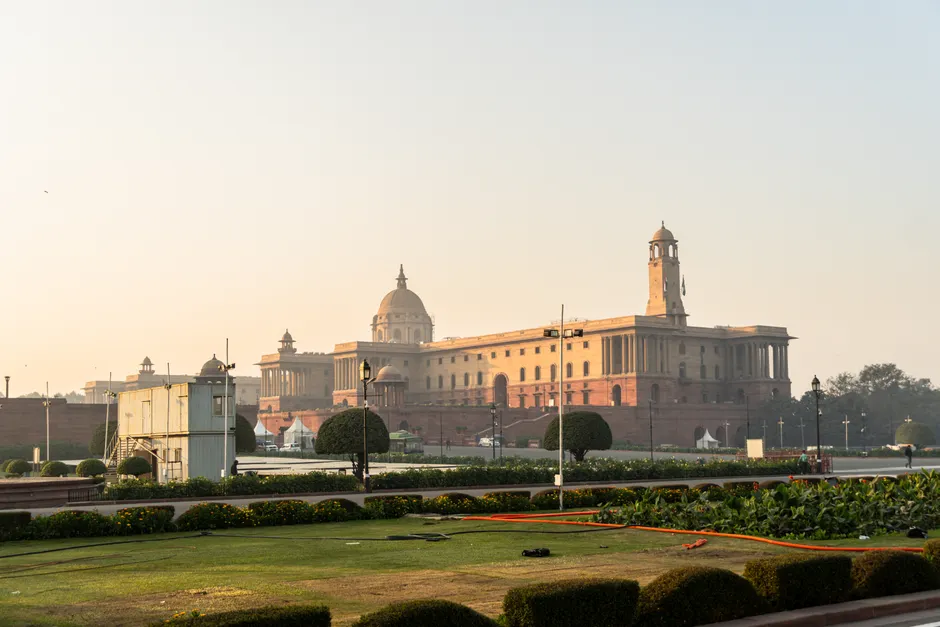
On June 25, 2024, Kenyan police opened fire on protesters who had broken into the parliament building. Dozens died. This week—exactly two years later—the government deployed razor wire and roadblocks around parliament to prevent the same thing from happening again, according to Reuters.
What started the protests? A proposed law would have raised taxes sharply. Anger over taxes sparked a movement, especially among young people. They coordinated online using social media—mainly X (formerly Twitter) and TikTok. On June 25, 2024, thousands of protesters pushed through police barriers and entered parliament. Police responded by firing into the crowd. Dozens were killed that day, and hundreds more were injured in the weeks of unrest that followed. There was another wave of deadly protests in June 2025. The government disputes the exact death toll, but international rights groups say the numbers are higher than officially reported, according to AP.
Beyond the parliament incident itself, human rights organizations documented other abuses. Human Rights Watch found evidence that security forces abducted, detained, and tortured suspected protest leaders between June 2024 and later that year. Some people disappeared and were not seen again. In June 2025, during the second round of protests, security forces killed and beat demonstrators. Plain-clothed police officers were involved in making people vanish because authorities suspected them of organizing protests, according to HRW's latest report on Kenya.
Governments also used digital tools to track and suppress protesters. Amnesty International documented that Kenyan authorities monitored social media and used surveillance technology to shut down the Gen-Z-led protest movement between June 2024 and July 2025.
Money, But Not Justice
Just ten days before this year's anniversary, the Kenyan government announced it would pay money to almost 2,000 people who were harmed during the 2024 and 2025 protests, AP reported on June 15, 2026. This is an admission that the government caused harm. But it is not the same as criminal charges against the police officers who carried out the violence. Rights groups have called for those officers to be arrested and tried in court.
The government's timing was noticed. President William Ruto announced the payment just days before the anniversary. His administration faced political damage when the 2024 protests forced him to cancel the unpopular tax bill. He has spent two years trying to balance strict government budgets with demands from young voters who showed they can organize massive protests online.
This tension has not gone away. On June 9, 2026—just weeks before the anniversary—police shot and killed a protester at a rally against a different issue: a proposed American Ebola quarantine facility. Reuters reported that police used the same tactics as they had in 2024. The killing shows that the pattern of police violence has not changed.
The razor wire around parliament on June 25, 2026 had a double meaning: it was there for security, but it also showed that the government fears its own people. Whether the compensation payment will actually reduce anger and prevent future protests depends on things the money alone cannot fix: prosecuting the officers responsible, changing the budget policies that caused the original anger, and whether young people can organize again the way they did before.
On June 25, 2026, the police dispersals succeeded. The anniversary came and went. The settlement was announced. But one question remains unsolved: will the police officers who killed protesters ever face charges in court? And if they never do, can the government prevent this from happening again?