Why Thousands of Students Are Protesting in India's Capital
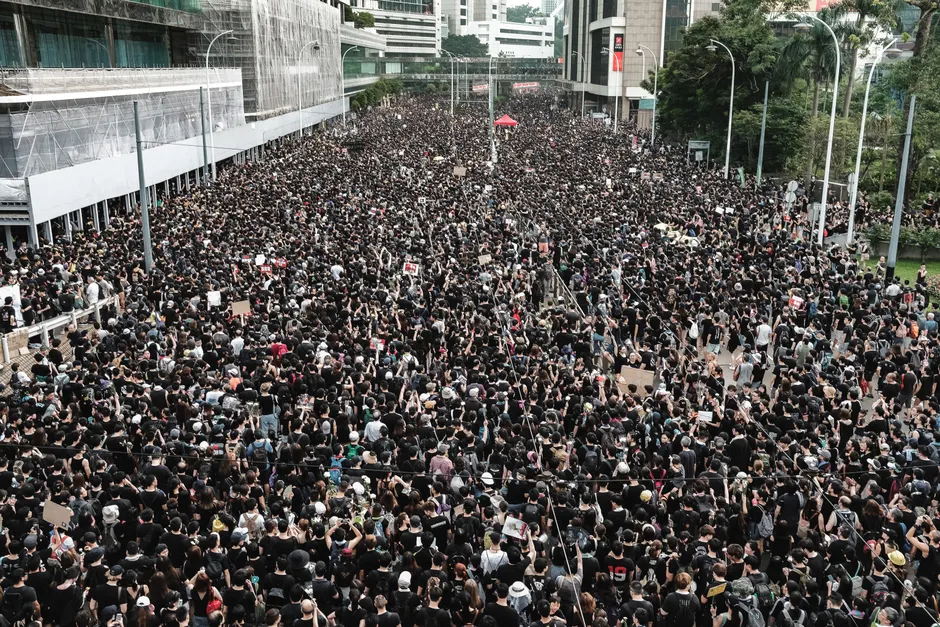
Thousands of students returned to the streets of New Delhi on July 21, 2026, just one day after police used tear gas and batons to break up their march toward the country's parliament. More than 100 students were hurt in that crackdown.
The march was organized by a group called the Cockroach Janta Party (CJP). The group is not a political party that runs in elections — it is a pressure group, meaning it tries to push the government to change its actions. The protesters want Education Minister Dharmendra Pradhan to resign over a scandal involving rigged entrance exams that has upset India's education system for two months.
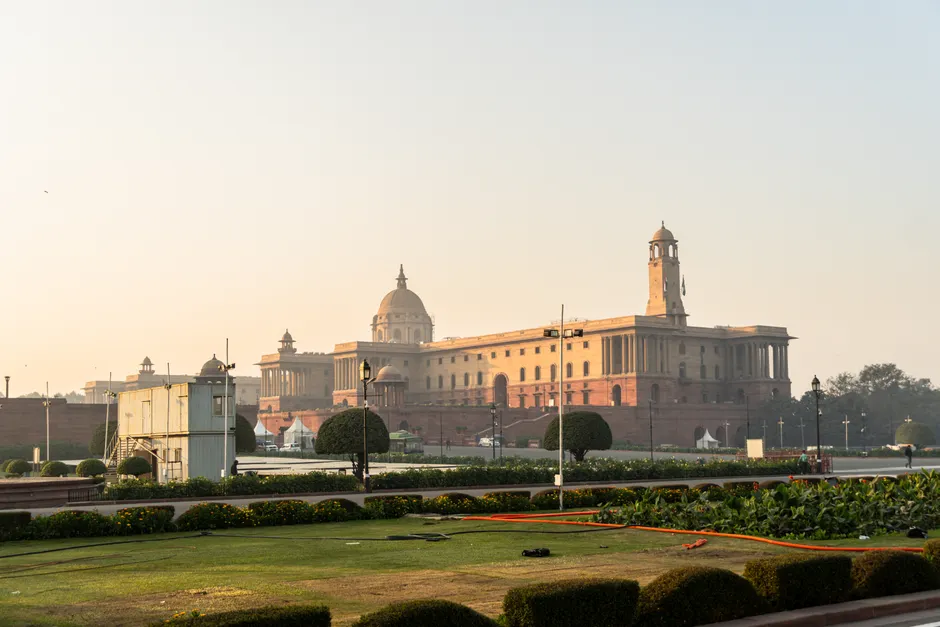
On Monday, July 20, thousands of protesters — most of them students — walked along Parliament Street and Connaught Place toward the parliament building. Some made it all the way to parliament's entrance before police fired tear gas and forced them back. The Washington Post reported that police used both tear gas and batons to stop the marchers (Washington Post). Reuters published a photo essay of the clashes the same day (Reuters). More than 100 students were injured, according to Al Jazeera (Al Jazeera).
After being pushed back, protesters gathered at a site about two kilometers from parliament (Japan Times). By July 21, the CJP had taken back its main protest spot at Jantar Mantar, a public area in New Delhi where people often hold demonstrations. NDTV reported that police stayed on high alert (NDTV).
What set off these protests? Over the previous two months, India's system of entrance exams — tests that decide which students get into universities — had been hit by scandal. Exam papers were leaked before test day, and some answer sheets were graded incorrectly. Millions of students were affected. More than 20 students took their own lives during this period, with many blaming the exam leaks as a reason, according to Al Jazeera (Al Jazeera).
The CJP is led by a man named Abhijeet Dipke. On the night of July 20, he spoke to about 2,000 protesters who stayed at the Jantar Mantar site. He told them the protesters "will not back down until Dharmendra Pradhan resigns" and said more marches would follow (Al Jazeera).
For nearly a month before the march, more than 100 protesters from student unions had been sleeping at Jantar Mantar. They had joined a well-known activist named Sonam Wangchuk in a hunger strike — a protest where people refuse to eat to draw attention to their cause. Police physically removed Wangchuk from the site and took him to a government-run hospital, where he remained as of July 21 (Al Jazeera).
JP Nadda, the head of India's ruling party, the Bharatiya Janata Party (BJP), visited injured students at RML Hospital on July 21 (NDTV). Prime Minister Narendra Modi had not spoken publicly about the protests as of this article's publication (Al Jazeera).
To understand why this matters, it helps to know how important these exams are. In India, entrance exams are the main way students get into universities. Tens of millions take them every year, and a good score can shape a young person's entire future. Think of these exams as a single narrow doorway that millions of people are trying to walk through at once — if someone tampers with the doorway, the whole line suffers. When exam papers are leaked or graded wrong, it does not just frustrate students. It shakes their trust in a system that is supposed to be fair.
The Modi government's silence on the protests is worth noting. Nadda's hospital visit was the only direct gesture from the ruling party so far, and it came from the party's president — not from the education minister or the prime minister himself. Whether that visit calms the situation or makes it worse may depend on whether Pradhan offers real changes or simply tries to wait for the anger to fade. Dipke's promise of more marches, plus the fact that protesters have already been camped at Jantar Mantar for a month, suggests this movement has staying power. The removal of Sonam Wangchuk to a government hospital also raises questions about whether authorities used his health as a reason to pull him from the protest — a tactic that has faced criticism in past Indian protest movements.
The exam scandal itself started before the CJP began organizing and affects far more people than those who marched in the streets. Millions of students were touched by the compromised exams, and the 20-plus suicides reported by Al Jazeera put this in a different category from ordinary political protest. The demand for Pradhan's resignation goes beyond asking for someone to step down. It reflects a feeling among students that the government has not done enough to fix a broken system. How the government responds to this mix of education failure, angry young people, and street protests will shape not only Pradhan's future but whether Indians can trust their exam system going forward.