What Three Supreme Court Cases Mean for Asylum and Border Protection Status

What Three Supreme Court Cases Mean for Asylum and Border Protection Status
Three related legal cases are moving through federal courts right now, and they will determine how much power the U.S. government has over immigration policy. Two of the cases involve asylum seekers at the border. One involves a protection program for people whose home countries are in crisis.
The protection program is called Temporary Protected Status, or TPS. Congress created it in 1990 for citizens of countries facing war, natural disaster, or other emergencies. The president decides which countries qualify, how long people can stay, and when to end the program. This flexibility has made TPS legally contentious—courts keep asking whether the president has gone too far.
One case involves a specific number that matters. More Haitian citizens have TPS than Syrian citizens, according to a court filing from April 2026. This matters legally because when a president tries to end TPS for a group, courts look at how many people would be affected. The bigger the group, the bigger the impact, and the more carefully courts examine whether the decision was fair.
The second key fact comes from an asylum case called Noem v. Al Outro Lado. In February 2026, the government admitted in court papers that border agents sometimes allowed asylum seekers to enter the United States for legal processing. This admission is important because the central question in the lawsuit is whether the government blocked people from applying for asylum in the first place.
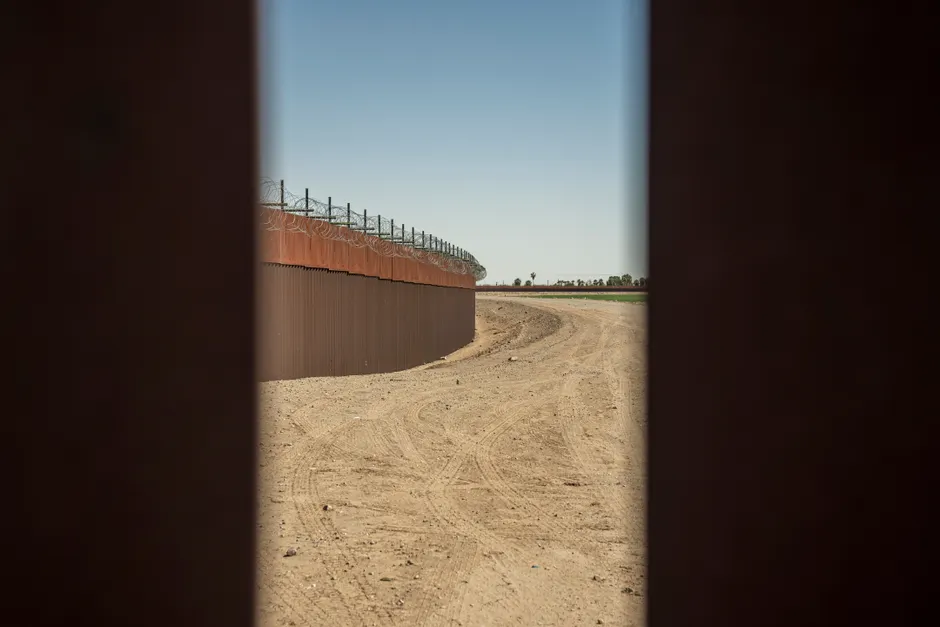
The practice in question is called "metering." Border agents limit how many people can enter at ports each day and make asylum seekers wait on lists controlled by Mexican authorities. This was common from about 2016 to 2020. Asylum seekers sued, arguing that metering prevented them from reaching the legal system. The government's admission that agents sometimes allowed entry makes its defense trickier—it shows ports were partially functional, but also reveals that entry was left up to agents' discretion rather than being guaranteed by law.
The asylum cases hinge on two big legal questions: Can the government limit who gets to apply for asylum at the border? And if it can't, what should courts do about it? A recent change in case names—Secretary Kristi Noem replaced her predecessor—is just administrative. The government's legal arguments have not changed.
The TPS cases ask a different but related question: If the government grants protection for many years, can it take that protection away? The law written in 1990 didn't set many rules about how this should work, so courts have had to rely on general principles—the main one being that government agencies must have good, logical reasons for their decisions and must explain them clearly.
What's at stake is who gets to decide how immigration works: the president, Congress, or the courts. The facts being presented in these cases—how many people would be affected, what border agents actually did, what the law has meant over time—will shape immigration rules for years ahead.