What the Supreme Court Just Decided About Immigration—In Plain Language
The Supreme Court issued three major immigration rulings on June 25, 2026. Together, they affect three different groups of people: those granted temporary protection from their home countries, people trying to seek asylum at the border, and green card holders returning home to the U.S. Here's what each case is about, and why it matters.
What Happened to People Protected by TPS?
The first ruling, Mullin v. Doe, concerns Temporary Protected Status, or TPS. This is a program Congress created in 1990 that lets people from countries in crisis—due to war, earthquakes, hurricanes, or similar disasters—live and work legally in the U.S. on a temporary basis while things stabilize at home.
The case involved whether the government could end TPS for people from Syria and Haiti. A TPS protection was about to expire in February 2026, but lower courts had blocked that from happening. The Supreme Court had to decide: Can those courts keep blocking the termination, or does the government have the final say?
This matters because it determines whether courts can protect people from being deported when their temporary status runs out.
Can the Government Stop People from Reaching the Border?
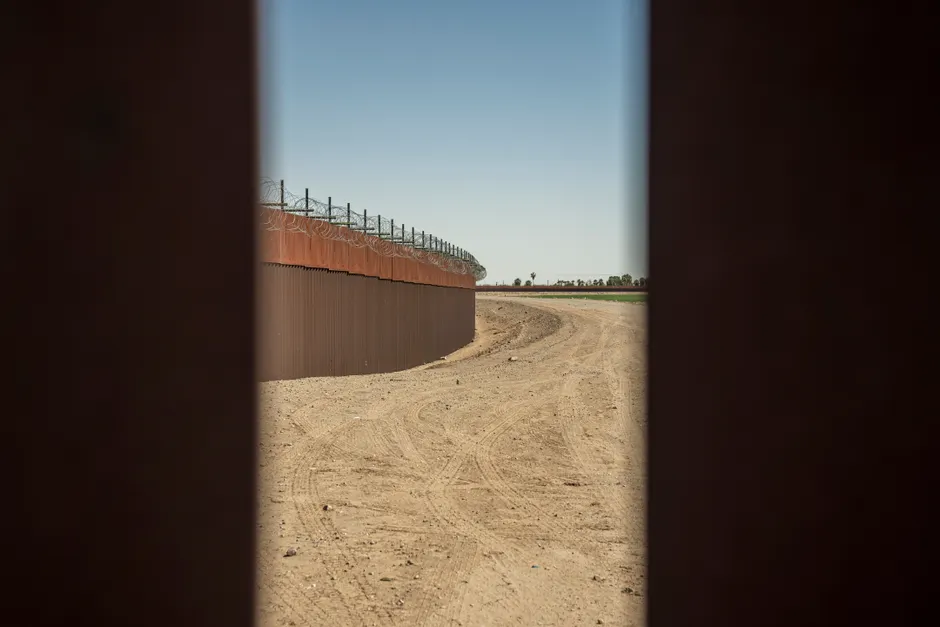
The second case addresses a practice by U.S. Customs and Border Protection: physically turning back people before they can even reach the border and request asylum. Unlike the usual process where officials at ports of entry handle asylum requests, this practice prevents people from getting there at all. It started in June 2018 and has been used across the entire U.S.-Mexico border.
The legal question: Does this comply with immigration law, which says anyone in or arriving in the United States has a right to apply for asylum?
The government argues it has control over who can access official ports. But the law says officials must take anyone who wants to apply for asylum through the proper process. The Court had to resolve that conflict.
This affects asylum seekers directly: if the Court okayed the turnback practice, CBP can keep people from ever reaching the point where they can make an asylum claim.
What Rights Do Green Card Holders Have?
The third case is about green card holders returning from travel overseas. U.S. law says that when green card holders come back, they are presumed entitled to reentry unless one of six specific exceptions applies.
But DHS has sometimes classified returning green card holders as "seeking admission"—a term that strips away the normal protections that residents get. In some cases, DHS has even taken away their green cards while deciding their status, leaving them without proof they are residents.
The Court examined whether this practice follows the law.
Why These Cases Matter Right Now
These three rulings cover nearly every level of the immigration system: people already temporarily protected, people trying to enter and seek asylum, and people who are legally here as residents. The cases came down on the same day because the Court was near the end of its term, but their alignment is significant—they address the same enforcement questions that have driven immigration disputes since 2017.
The outcomes have immediate, practical consequences. If courts lose the power to block TPS terminations, thousands of protected people face removal. If the border turnback practice is allowed, CBP gains authority to prevent access to asylum procedures. These rulings will guide how immigration officers, judges, and lower courts handle cases for years.


