Two Powerful Earthquakes Hit Venezuela's Coast: What Happened and Why It's So Serious
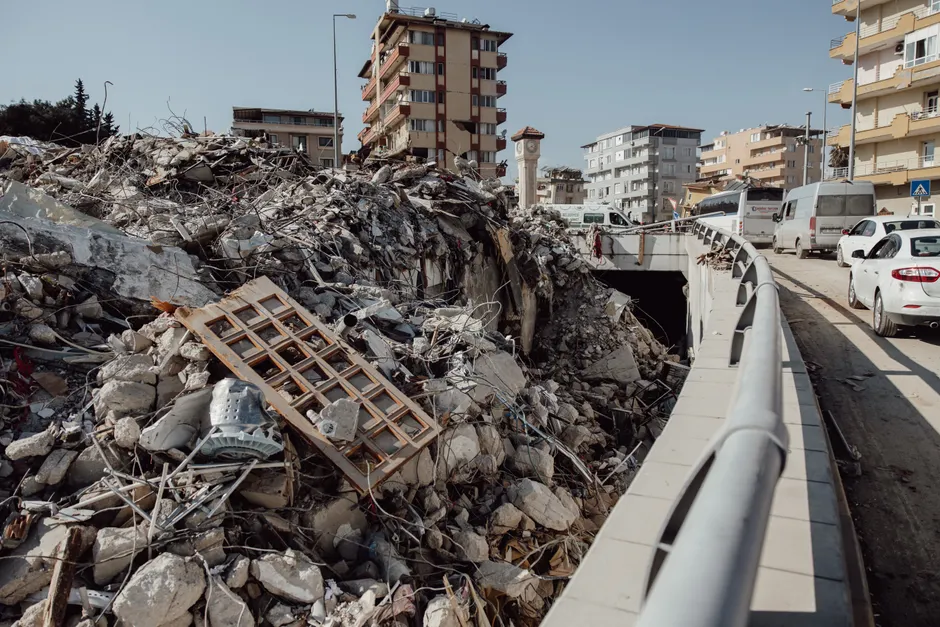
Two major earthquakes struck Venezuela on June 24–25, 2026, causing buildings to collapse and killing people across the country's northern coast, according to BBC News. The first was magnitude 7.5, the second was 7.2 — both powerful enough to cause severe damage.
The worst damage occurred in La Guaira, a port city that sits right on the coast, just north of Venezuela's capital Caracas. Buildings fell down completely. What made things worse was that the two earthquakes happened one right after the other. The first quake weakened the buildings, and then the second quake hit them when they were already damaged. Many buildings in La Guaira are old and weren't built to handle earthquakes as well as modern ones would be.
Why This Area Gets Earthquakes
Venezuela sits in a region where two large pieces of the Earth's crust push against each other — the Caribbean Plate and the South American Plate. This collision zone creates earthquakes regularly throughout history. In 1999, a disaster in the same area killed many people, though that one was caused by heavy rain and mudslides rather than an earthquake. A smaller earthquake hit another part of Venezuela in June 2024, reminding people that this region shakes fairly often.
People Were Rescued Days After
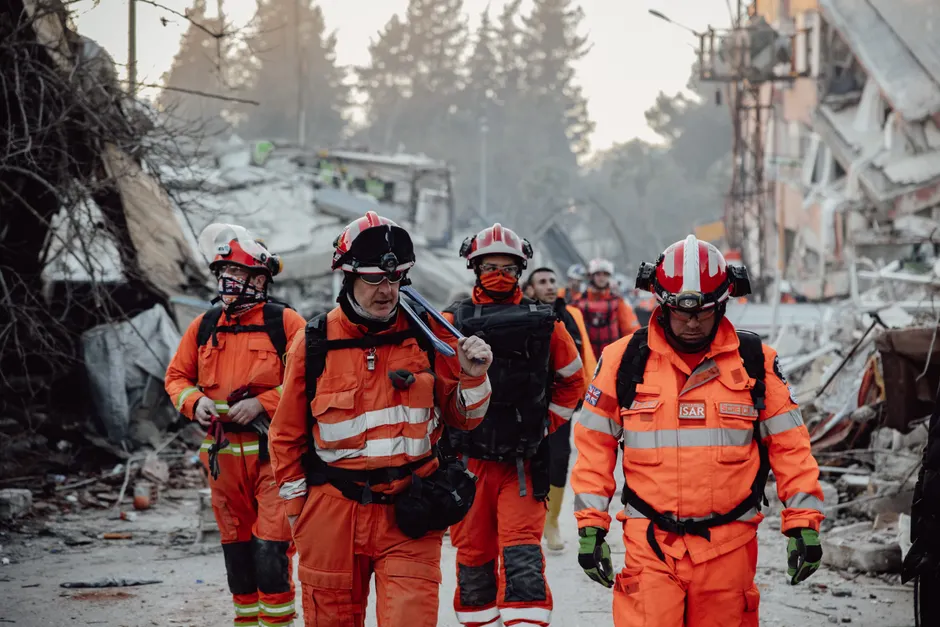
Despite all the destruction, rescue teams found people alive in the rubble days after the earthquakes. A mother and her newborn baby — just 18 days old — were pulled out alive. Even more remarkable, a three-year-old child was found alive six days after the earthquakes happened.
Six days is important because rescue workers know that people's chances of surviving trapped in rubble drop quickly after about three days. But they don't disappear entirely, especially for children, who need less oxygen because their bodies are smaller. This rescue shows why search teams should keep searching hard even after the first few days pass.
Why This Is Harder Than It Should Be
Venezuela is struggling economically and has lost many skilled workers to other countries. Its government services — including hospitals and emergency response teams — don't have enough supplies or people. Getting international help has been difficult because of political tensions with Venezuela's government. This means the country may not be able to help all the people who need it.
La Guaira is also Venezuela's main port for bringing in food and medicine. If the port is damaged, it could be hard to get these supplies into the country when people need them most. This is something to watch in the weeks ahead.
When earthquakes hit poor or weakened countries, the damage is often much worse than the earthquake numbers would suggest. Venezuela's situation in June 2026 shows this clearly. The rescues of the baby and the toddler are reminders that even in a disaster, there is hope. For the rescue teams still working, they are why the effort must continue.