Two Major Earthquakes Hit Venezuela in 39 Seconds—Here's What Happened

On June 24, 2026, two powerful earthquakes struck Venezuela in quick succession. A magnitude 7.2 hit first, and then just 39 seconds later, a larger magnitude 7.5 earthquake followed. Both centered near a small city called Yumare, about 160 kilometers west of the capital, Caracas.
When two earthquakes of similar strength hit the same area within seconds of each other, seismologists call it a doublet. This is rare. The first earthquake can shake the ground so violently that it triggers failure in an adjacent section of rock, causing the second quake to rupture. Because these two events happened so close together, most early warning systems did not have time to alert people before the bigger earthquake arrived.
Why This Region Is At Risk
Venezuela sits where two massive pieces of Earth's crust — the South American and Caribbean plates — push against each other. The collision produces earthquakes along a system of faults (cracks in rock) running roughly east-west across northern Venezuela. Powerful earthquakes struck this same region in 1812 and 1967.
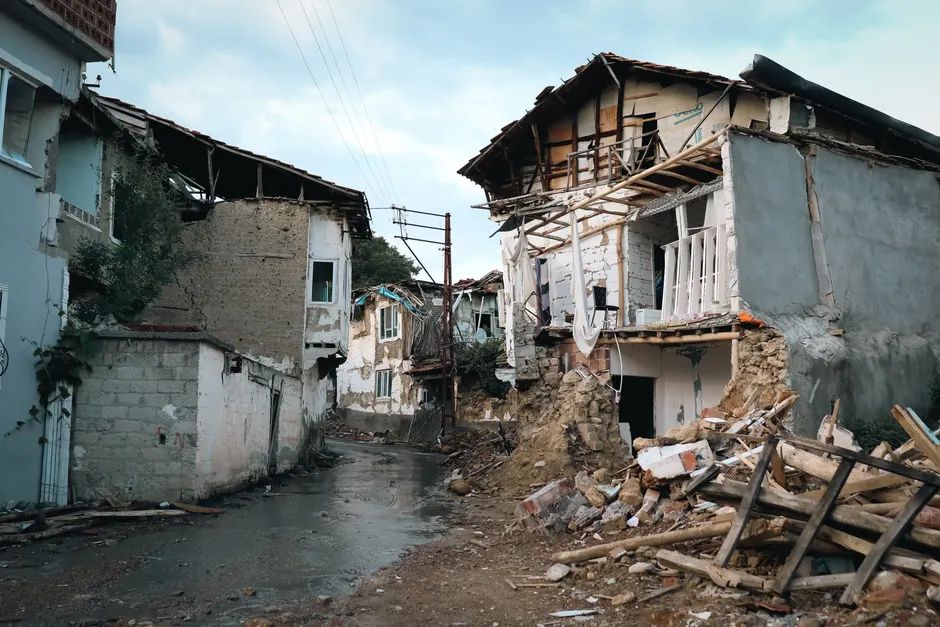
The Yumare area, where these recent quakes hit, is in a part of the fault zone that is less well-monitored than others. Most buildings in Venezuelan cities outside Caracas were not built to modern earthquake safety standards. Older brick buildings and concrete structures without proper reinforcement can collapse when the ground shakes this hard. The actual damage will depend on how deep the earthquake was and which direction the energy traveled — details scientists are still working out.
What Comes Next: More Aftershocks
After a doublet, there is a higher chance of smaller earthquakes (aftershocks) for weeks afterward. These aftershocks can be large enough to damage buildings that are already weakened. People living near the epicenter face a problem: the normal advice after an earthquake is to stay away from damaged buildings, but if more quakes are coming and shelter is hard to find, that becomes difficult to follow. The risk is real and will last for some time.
The Challenge of Getting Help
By June 25, 2026, international rescue teams and aid supplies had started arriving. But Venezuela faces hurdles in responding. The country has faced severe economic problems for years — shortages of money, broken infrastructure, and many skilled workers like engineers and doctors have left for other countries. The government has limited resources to conduct large rescue operations on its own.
There is also a political angle. Venezuela's government has had tense relationships with Western countries over aid in the past. The 2019 standoff over aid shipments at the Colombian border is a recent example. How quickly the country accepts international help will tell us something about current politics, beyond just the earthquake response itself.
The key questions now are: how many people were killed or injured, how much damage was done, how much help Venezuela will accept from outside, and whether these two earthquakes are the end of it or if more major quakes could follow.