Deadly Double Earthquake Strikes Venezuela: What's Happening and Why It Matters

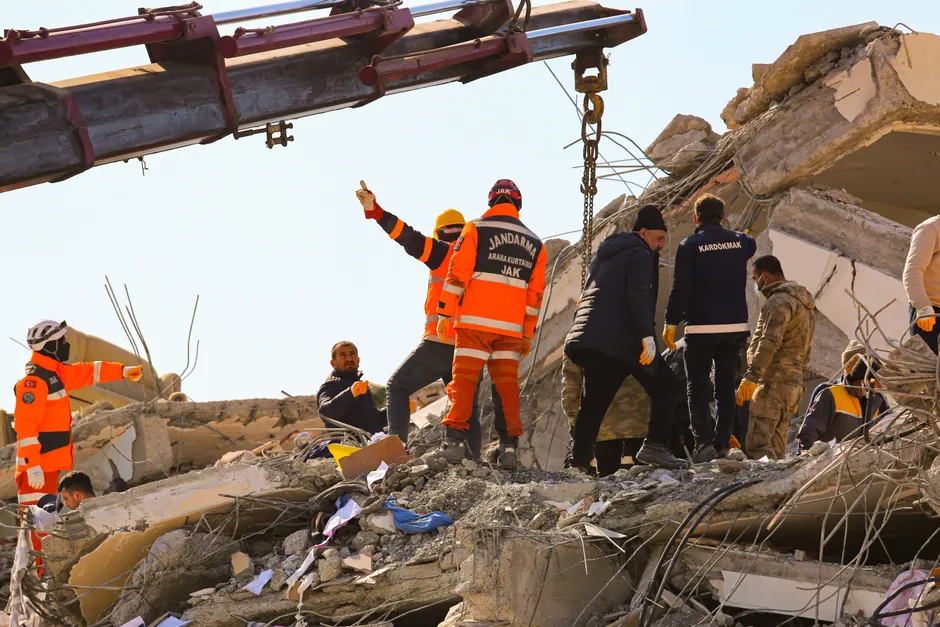
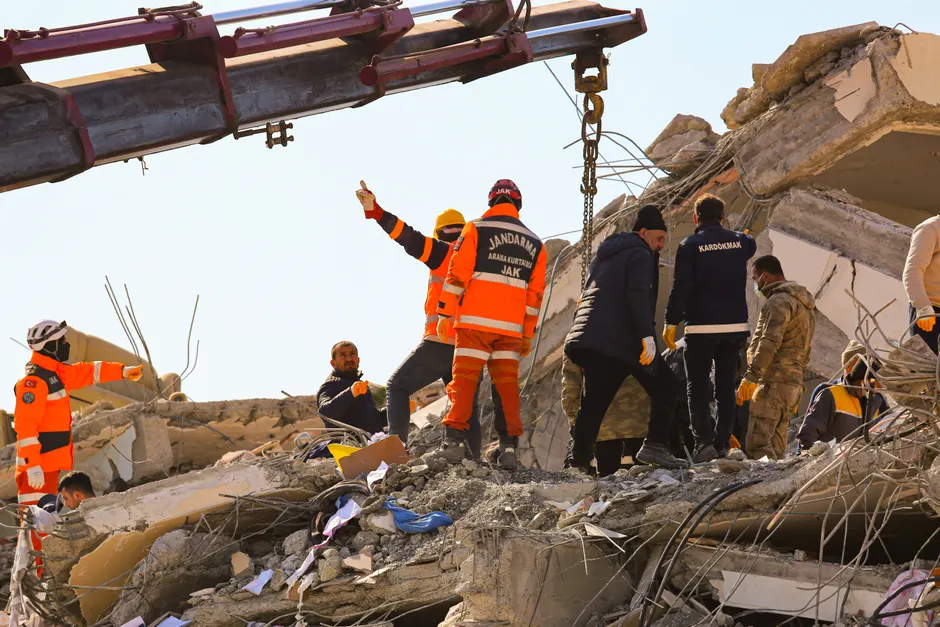
Two earthquakes hit Venezuela on June 26, 2026, one after the other, killing at least 920 people and injuring 3,360 more. Hundreds are still missing. Search and rescue teams are working around the clock in the hardest-hit areas: Caracas, the capital, and La Guaira, a coastal city.
When seismologists say "double earthquake," they mean two major earthquakes happened in quick succession — not a big one followed by smaller aftershocks. La Guaira, sandwiched between the Caribbean Sea and mountains, was hit especially hard. Because the city is so narrow and cramped, there is nowhere for debris to spread, and it is very difficult to get heavy rescue equipment in quickly.
The Race to Find Survivors
International rescue teams arrived within hours to help Venezuelan emergency services, according to Reuters. This matters because Venezuela's emergency response system has weakened over years of economic trouble. The country did not have a lot of spare rescue capacity even before the earthquakes struck.
Meanwhile, local people did not wait. By June 27, neighbors were digging through rubble looking for survivors in areas where official rescue teams had not yet arrived, AP News reported. This happens in almost every major earthquake in a city. In the first few hours and days, ordinary people often find more survivors than official teams do.
The next 72 hours are critical. When buildings collapse and crush people, rescue workers have a narrow window — usually three days — to pull people out alive. After that, survival rates drop sharply. La Guaira's cramped geography makes moving equipment fast very hard.
Why This Earthquake Was So Destructive
Venezuela sits on a part of Earth's crust where two major plates are moving against each other, making earthquakes common in the region. The country has a long history of destructive earthquakes: a massive one in 1812 and another in 1967 both killed many people.
But Venezuela's buildings were not built to handle strong earthquakes very well. Many are old and crowded into tight spaces. Building codes exist that could protect people, but they were not enforced consistently. When an earthquake like this hits, those weak buildings collapse easily.
Venezuela's government has sometimes restricted international aid or put political conditions on accepting help from other countries. The fact that rescue teams from other nations are already there is a good sign. But it is not clear whether the government will allow broader international medical support once the emergency phase ends.
The health system faces another big problem. Even before the earthquake, Venezuela was short on medicines, surgical supplies, and doctors. Now thousands of people with crush injuries and internal bleeding need hospital care. The first two weeks after an earthquake are when international medical teams can help the most, so time is crucial.
The official death count will likely go much higher. In cities where buildings collapse, it takes days or weeks to find all the bodies and match them to missing-persons reports. The combination of two earthquakes, weak buildings, difficult geography, and a stretched emergency system has created one of the hardest earthquake situations in recent Latin American history.