Venezuela Hit by Two Massive Earthquakes in Less Than a Minute
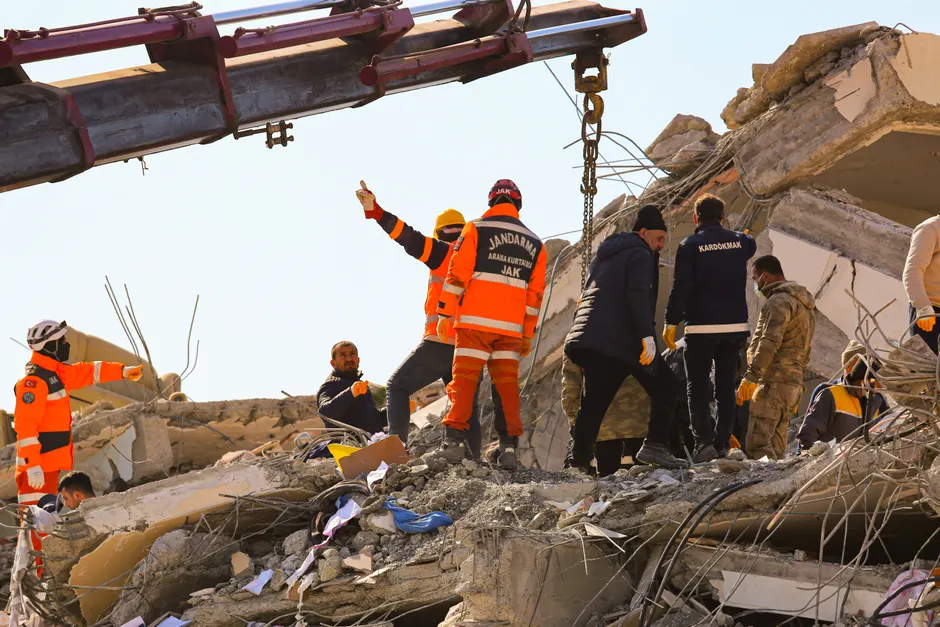
On Wednesday, June 24, 2026, Venezuela experienced two major earthquakes within 39 seconds of each other. The first measured 7.2 in magnitude, and the second measured 7.5. At least 32 people died and around 700 were injured, according to Reuters. The epicenter was located about 23 kilometers southeast of a town called Yumare, in a state called Yaracuy, in a region where two large pieces of Earth's crust collide against each other.
What made this sequence unusual was the timing. A 7.2 earthquake is a major event on its own, strong enough to damage buildings. But when a bigger earthquake strikes just 39 seconds later, the ground shakes even more violently than either earthquake alone would have caused. The shaking was felt all the way in the capital city, Caracas, over 350 kilometers away.
More Earthquakes Followed
The shaking did not stop after the main earthquake. A smaller earthquake of magnitude 5.1 hit the town of Tucacas on June 25. By June 26, over 302 smaller aftershocks had been recorded, according to Wikipedia's event log. After a very large earthquake, many smaller ones typically follow for weeks or even months. Experts consider the first 72 hours after the main earthquake as the most dangerous time, because buildings already damaged can collapse further.
Tucacas is on the coast and is known for tourism and oil and gas facilities. The 5.1 magnitude aftershock in that location matters for two reasons: the safety of people there, and whether the oil and gas equipment will still work.
Why Venezuela Is Especially Vulnerable
Venezuela has experienced major earthquakes before. Large tremors struck the capital in 1812 and again in 1967. The country sits in a zone where earthquakes are a known risk. What made this June 2026 sequence different was how quickly the two large earthquakes happened one after the other, and where the epicenter was located.
Venezuela is also facing serious economic problems that have gone on for years. Hospitals are overcrowded and under-resourced. Many buildings are not built to strict safety codes. There are not enough rescue teams. Because of all this, a 7.5 magnitude earthquake causes much more damage in Venezuela than it would in a wealthier country with stronger building standards.
The death toll of 32 and injured count of 700 are likely to go higher. Access to damaged areas is difficult because roads are damaged, landslides block paths, and communication is disrupted. All of this slows down rescue efforts and accurate counting of the dead and injured.
One more thing to watch: whether Venezuela's government will accept help from other countries and international organizations. The government has sometimes refused foreign aid in the past, which could affect how quickly rescue and recovery happen.


