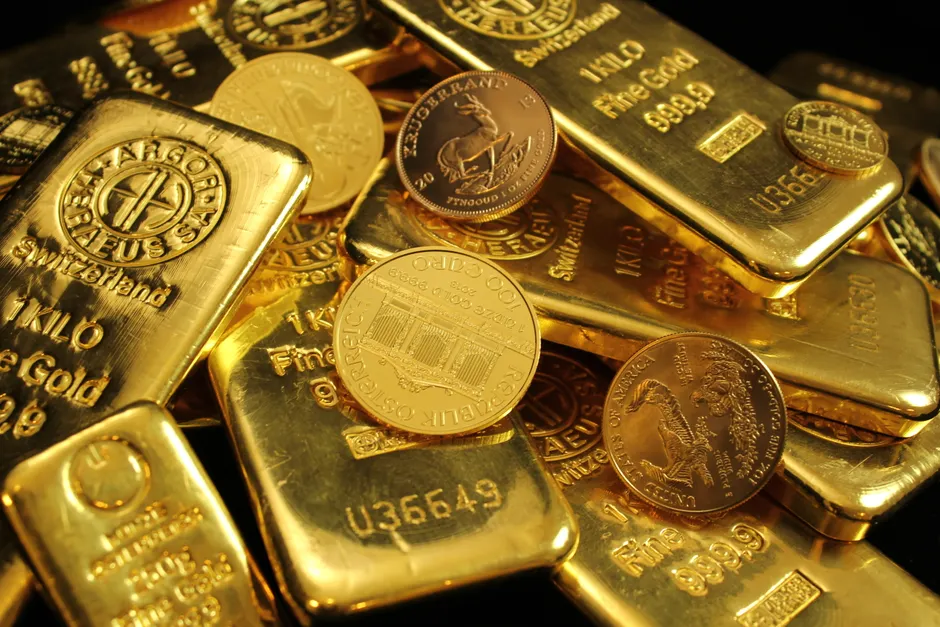
Gold Rose a Little, but It's Still Stuck Below $4,200

Gold for October delivery on Comex, the main U.S. gold futures market, rose $11.30 an ounce, or 0.27%, to $4,147.70. That kept it above $4,100 but below $4,200. Wall Street Journal
October is now the front month. That means it is the contract closest to delivery and the one most traders use.
That switch matters because trading activity moves from the old contract to the new one. That can make price and volume hard to compare. The bounce was small.
In a report titled "USD Holds Edge" on Sept. 29, OCBC said gold was hurt by higher oil prices and higher U.S. Treasury yields. Yields are the yearly return for lending money to the government. OCBC also said the fall below 4,200 brought extra selling from traders who follow price charts. It linked the weak mood to rates and energy, not to news about gold itself. OCBC
An earlier OCBC report titled "USD Unbowed" gave the same basic rule. Gold may stay under pressure unless energy prices, inflation-adjusted yields or the dollar fall, and a lasting recovery likely needs lower rates. That earlier report is best read as background to the Sept. 29 view, not as a separate call. OCBC
The broader context here is three pressures pulling the same way. Gold pays no interest, like cash kept in a drawer. When bond yields rise, holding gold instead of bonds costs more. Higher oil can keep worries about rising prices alive and keep interest rates high for longer. A strong dollar then makes gold costlier for buyers outside the U.S. and for traders using borrowed dollars. That mix still allows a small bounce. It limits how far it goes.
In my view, the $11.30 rise looks like a pause after chart-driven selling, not a change in what is driving gold. When price falls below a big round number like 4,200, automatic selling often kicks in, stop-loss orders trigger, and dealers hold less gold. Once that wave passes, some sellers buy back and other buyers return. That often gives a small up day that still leaves price below the break. That fits the numbers reported for the Sept. 30 session.
Looking at what this means for positioning, OCBC points to three things to watch together: energy, inflation-adjusted yields and the dollar. Improvement in one can help. A lasting turnaround likely needs improvement in more than one, especially yields, because that decides what gold costs to hold compared with bonds that pay. Until then, price rises can bring selling from owners who want to sell on strength and from short-term traders betting against the top.
When it comes to market plumbing, the switch to October adds noise. Spreads, roll yield and first-notice rules can skew daily moves. It helps to compare October with contracts for later months and with cash-market prices before calling a new trend. A 0.27% gain in the new front month, with the yield and oil pressure cited by OCBC, argues for patience.