Why AI Is Making Computer Chips More Expensive for Your Car and Local Store
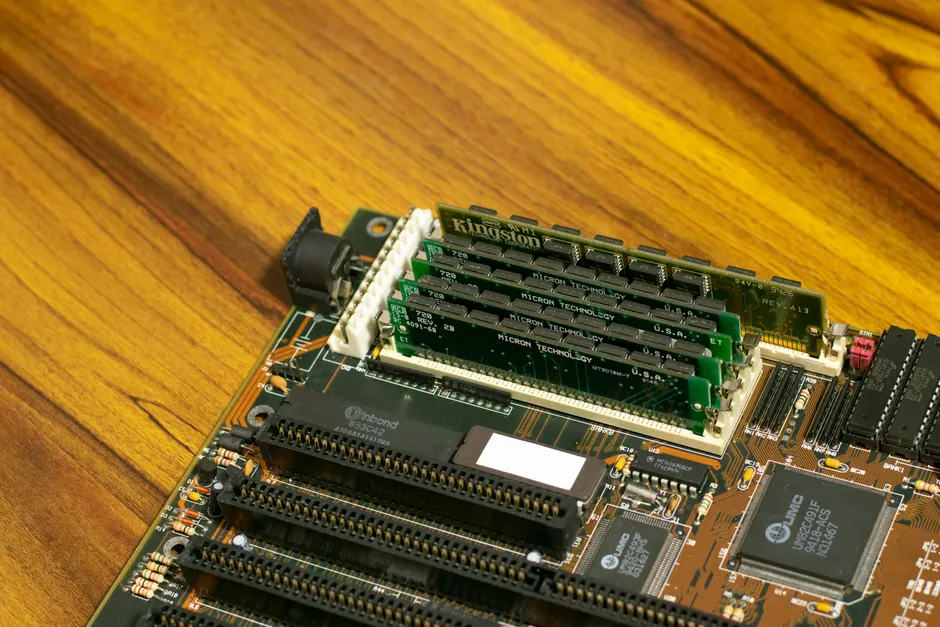
Micron, one of the world's largest computer chip manufacturers, has locked in $22 billion worth of orders from companies building artificial intelligence systems. According to a report from Reuters on 25 June 2026, these long-term contracts guarantee that Micron will sell memory chips — the components that computers use to temporarily store and process information — at high prices through the rest of this decade.
This might sound like straightforward good news for Micron. But the details matter. The companies buying all these chips are hyperscalers — giant tech firms like Google, Amazon, and Microsoft that are building massive server farms to power AI. When these huge buyers lock in vast quantities of memory chips for themselves, there is less capacity left over for everyone else.
The Ripple Effect Beyond Tech Giants
We are already seeing that squeeze ripple outward. In early June 2026, automobile manufacturers and retailers reported that memory chip shortages were pushing their costs up. When car makers and stores cannot get the chips they need, they pass those costs on to you in the form of higher prices.
Here is what is happening: Chip manufacturers like Micron decide where to point their factories based on profit. AI memory chips command high prices and fat profit margins, so factories are churning them out. But every factory has limits. The capacity devoted to making expensive AI chips is capacity not available for making the memory chips that go into vehicles, cash registers, and warehouse systems.
Car makers are in a particularly tight spot. Modern vehicles — especially those with self-driving features and wireless software updates — need far more memory than they did ten years ago. But they cannot quickly redesign their vehicles to need less memory or use different chips. They have locked in their designs for years at a time. So they have to buy whatever chips are available at whatever price the market demands.
What a Five-Year Contract Tells You
Micron's commitment covers five years. That is a clue to what the company — and the entire chip industry — believes will happen next. Chip makers do not agree to supply chips at fixed prices for five years unless they expect prices to stay high.
Here is the timing issue: Building a new chip factory takes two to three years from the moment a company decides to build it until the first chips come off the production line. Companies would need to start building capacity today to have relief by 2028. The giant buyers know this math, which is why they are locking in contracts now while they still can.
One real concern worth flagging is that all the high-end AI memory chips in the world are made by just three companies: Micron, Samsung, and SK Hynix. All three of them rely on the same handful of outside partners to package these chips. If anything disrupts that narrow supply chain — a conflict involving Taiwan or South Korea, or new rules about exporting chips to China — the entire world's AI infrastructure could feel the shock. That is starting to matter more as governments treat AI as a strategic national priority.
For now, Micron's business looks secure. The rest of the memory chip market — the cars, the stores, the everyday devices — is much less certain.


