Two Major Earthquakes Hit Venezuela's Coast in 39 Seconds — Here's What That Means

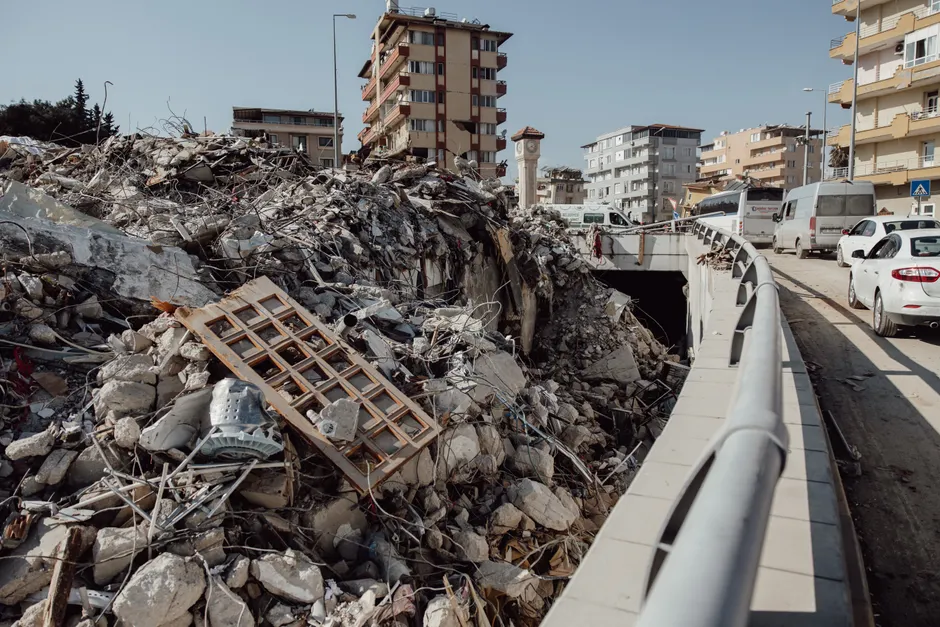
Two major earthquakes struck Venezuela's northern coast on June 24, 2026, separated by just 39 seconds. The first was magnitude 7.2, the second 7.5. According to Reuters, both caused widespread building collapses and severe ground damage across the region.
The first earthquake centered roughly 160 km west of Caracas, in an area with mid-sized cities and crowded neighborhoods. The second followed seconds later. This "back-to-back" pattern matters because the second quake hits buildings already damaged by the first — like hitting something twice when once alone would have been bad enough.
Rescue teams also faced a second problem: ground failure. According to EOS/The Landslide Blog, the earthquakes caused ground to shift in ways that trigger landslides and cause soil to temporarily behave like liquid. This blocks roads, damages buildings that seemed okay after the shaking, and makes it harder for rescue workers to reach people.
Venezuela's buildings were already in trouble before these earthquakes struck. Years of economic crisis have left many structures poorly maintained and built without strong earthquake standards. When you combine weak buildings with very strong earthquakes, more collapse happens. With these quakes so close to major cities, many deaths are likely.
Within hours, the U.S. responded. Secretary of State Marco Rubio said the U.S. would offer earthquake aid, according to the State Department. But there's a complication: the U.S. and Venezuela don't have normal relations, so getting aid into the country could be slow and complicated. How aid actually flows — whether from the U.S. directly, through aid organizations, or other channels — will show how much both countries are willing to work together.
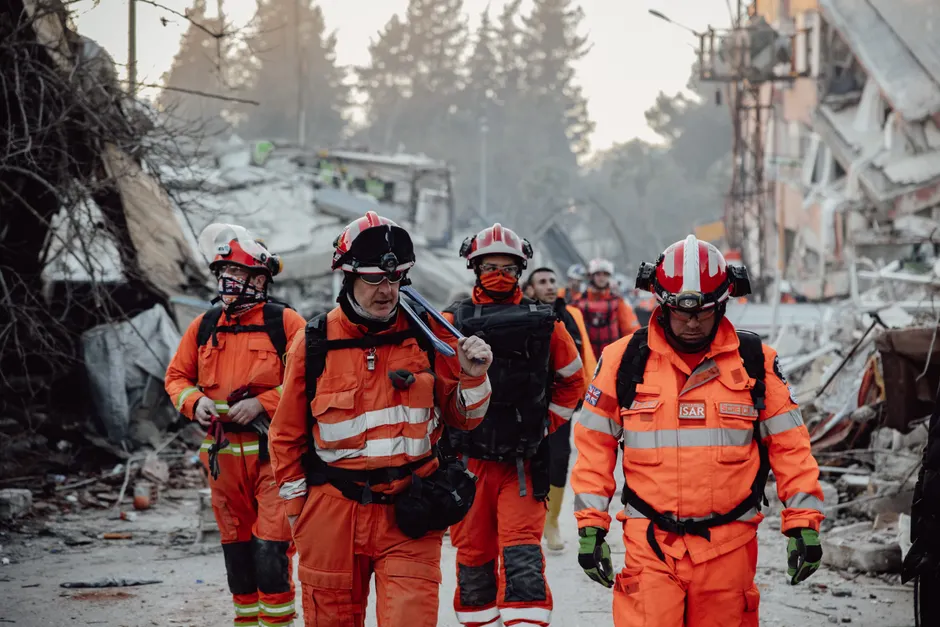
Getting help to people in Venezuela will be difficult for another reason. Ports and roads there are in poor condition. Bringing in rescue teams, medical equipment, and supplies requires careful planning with Venezuelan authorities. International aid organizations are already there, but earthquakes this large near a major city will test what they can do.
Northern Venezuela sits where two giant pieces of Earth's crust meet and push against each other. This area has caused destructive earthquakes before — including one in 1967 near Caracas that killed hundreds. Scientists checked for tsunamis after these quakes, but none were reported.
After earthquakes this size, expect strong aftershocks for days. This keeps damaged buildings at risk of collapsing further and makes it unsafe for people to return to their homes — a decision that often gets made informally and dangerously when government response is weak.
Exact death tolls and damage numbers will take time to confirm. What we know for certain is that June 24 brought one of the strongest earthquake sequences Venezuela has seen in decades.