Two Major Earthquakes Hit Venezuela: What You Need to Know

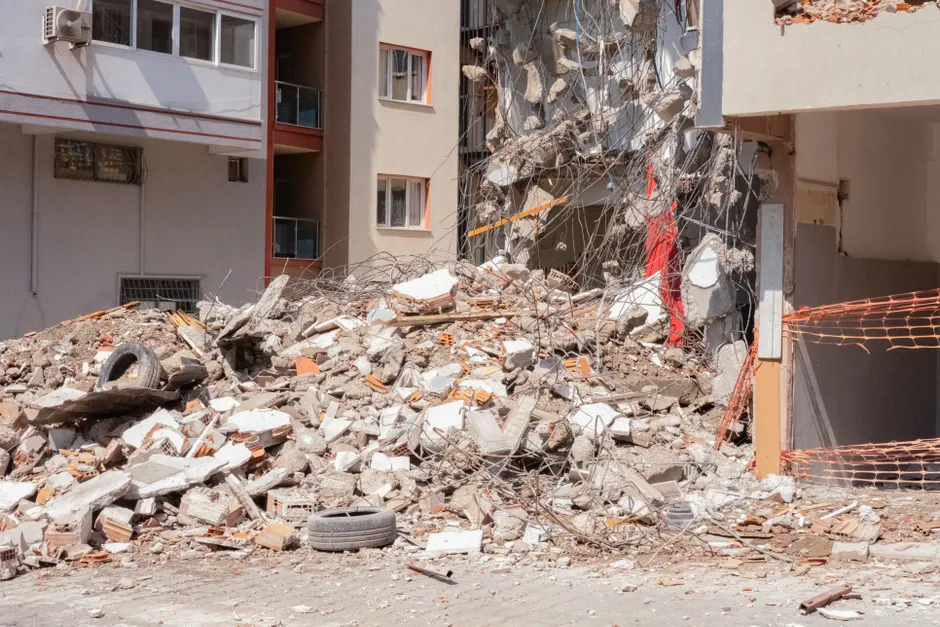
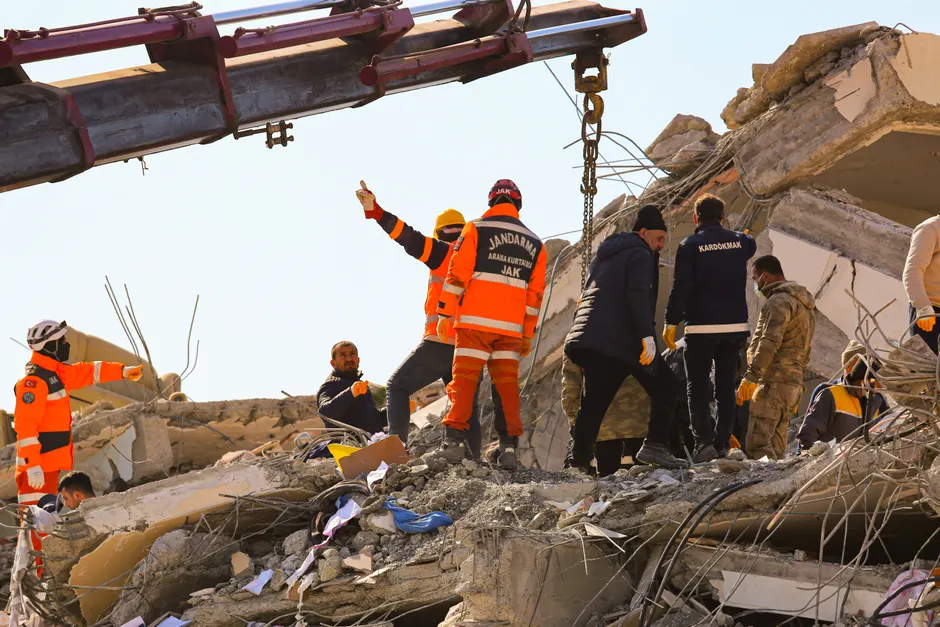
On June 24, 2026, two powerful earthquakes struck north-central Venezuela within seconds of each other. At least 164 people died and nearly 1,000 were injured. Rescue teams are still searching through collapsed buildings near San Felipe, about 100 miles west of the capital, Caracas, and the death toll is expected to rise.
The first earthquake measured magnitude 7.2. Less than a minute later, a second one hit at magnitude 7.5—roughly twice as powerful. Because the two quakes came so close together, many buildings already damaged by the first quake had no time to be evacuated before the second one struck. According to the Pan American Health Organization, nearly 4 million people live in the affected area.
Reuters reported that large numbers of casualties were expected from the start. Associated Press reporting from June 26 confirmed the death and injury numbers.
Why the Damage Goes Beyond Broken Buildings
When the earthquakes hit, electricity, water, gas for hospitals, and phone service all stopped working in the area. This means hospitals have no power and no oxygen—a major problem when hundreds of injured people need surgery.
Venezuela's infrastructure was already weak before June 24. The country's electrical system hasn't been well maintained, hospitals don't have enough medical supplies, and the healthcare system can't handle even normal demand. So when the earthquakes hit, responders had to deal with not just earthquake damage but also a system that was already falling apart. International aid organizations are facing both problems at the same time.
Smaller aftershocks have continued since the main earthquakes. Venezuela's national earthquake agency, FUNVISIS, recorded a magnitude 3.2 aftershock on June 26 and a magnitude 4.5 aftershock the same day. These smaller quakes are normal after big earthquakes, but they make rescue work harder because teams have to stop and check for new damage after each tremor.
The Politics of Getting Help
In Venezuela, the government controls which aid groups and countries can come in to help after disasters. This has sometimes slowed down relief efforts in the past. Right now, groups like the Pan American Health Organization are coordinating with the government, but with nearly 4 million people affected, the question is whether things can move fast enough.
Some countries that the Venezuelan government sees as unfriendly may have a harder time sending aid workers and supplies compared to others. How quickly the government opens its doors to all available help could change how many people end up dying or suffering.
This region of Venezuela sits on a major fault line where two tectonic plates meet. Big earthquakes have hit the area before—in 1812 and 1967—and those past events led Venezuela to create building codes meant to make structures safer. How well those safety rules were followed in the buildings that collapsed will become clear as the investigation continues.
Right now, the focus is on finding survivors and treating the injured. In the coming days and weeks, we'll see whether Venezuela's weak infrastructure and government restrictions on aid turn this natural disaster into a much longer crisis.