A Deadly Earthquake in Venezuela, and Why U.S. Aid Matters
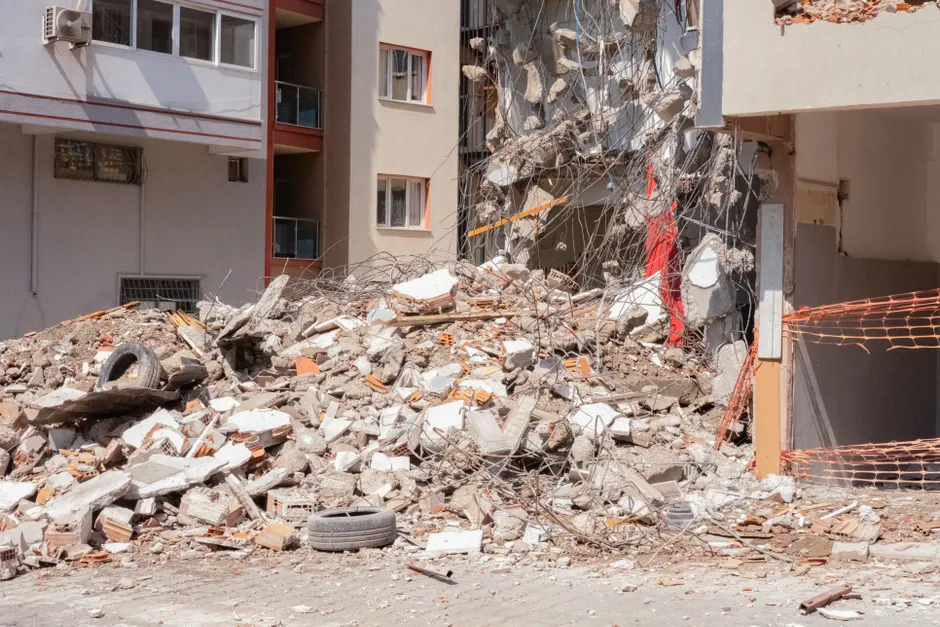
A major earthquake struck Venezuela on June 24, 2026, killing at least 920 people and injuring more than 3,000 by June 26. The quake, magnitude 7.1, hit Yaracuy, a farming state in northern Venezuela, at 6:04 PM local time. A second smaller quake occurred off the coast the same night. This is Venezuela's worst natural disaster in decades—the last comparable earthquake, in 1967, killed about 240 people.
Yaracuy sits on a seismically active zone where major geological plates meet and shift. This region has produced damaging earthquakes for centuries. The damage was severe because many buildings in the area were built without modern earthquake protections, and Venezuela's economic problems over the past ten years have left the country with weak emergency and rescue services.
International Response
Countries around the world began sending help within 24 hours. Reuters reported that aid was already in transit by June 25. The United Nations even held a moment of silence on June 25 to honor the victims.
The biggest commitment came from the United States. The Trump Administration announced $150 million in assistance. Secretary of State Marco Rubio and President Trump both spoke about the response. By June 29, supplies had reached affected communities.
Why This Matters Diplomatically
The U.S. and Venezuela do not have normal diplomatic relations. The U.S. has imposed sanctions (financial penalties) on Venezuela's government and does not officially recognize it as legitimate. So the U.S. sent the $150 million aid through international organizations and nonprofits rather than directly to the Venezuelan government. This is a standard way to help people in a country without formally recognizing its government.
It's an open question whether this disaster will improve relations between Washington and Caracas. History shows that disasters sometimes briefly open doors between countries that are at odds—but those openings often close quickly. What matters right now is that the aid is getting through and people are getting help. The death count may rise as rescue teams reach remote areas, and damaged roads and communications will make it harder to get a full accounting.


