California Has New Rules for Driverless Cars. Here's What Changes
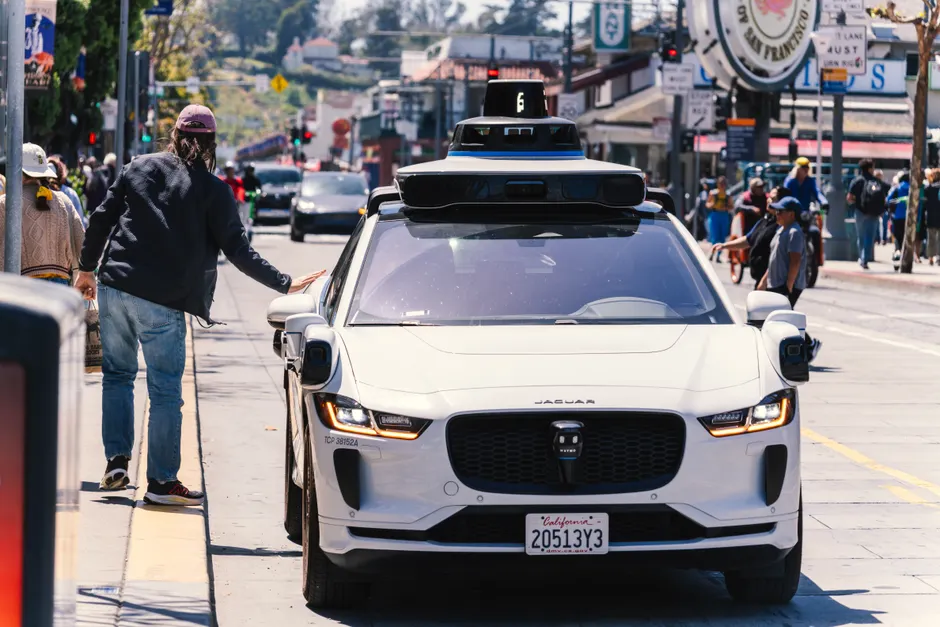
California Gov. Gavin Newsom has signed Senate Bill 1246, a new law for driverless cars. The bill was introduced by state Sen. Dave Cortese TechCrunch.
The law sets a clear time limit for blocking emergency crews. If a robotaxi, a taxi with no driver, blocks police or firefighters for more than 30 minutes, the company can face penalties. The 30-minute rule turns informal cooperation into a legal duty measured by the clock.
SB 1246 also requires nearby help. AV companies must provide local incident technicians to assist with AV accidents and obstructions TechCrunch. That means trained staff close enough to reach the car, not only a distant control center. They secure a stopped car, move it if possible, and talk with officers and firefighters.
The law also covers outages that hit many cars at once. AV companies must notify cities, towns and other local jurisdictions about the location and status of vehicles during system-wide failures. Operators will need contact names, computer-readable location feeds or similar updates, and a plan that starts when many cars have trouble together, not just one car shutting down.
It also limits remote helpers. AV developers may only employ remote drivers who are based in the United States and hold a U.S. driver's license TechCrunch. Remote drivers watch from outside the car, give advice or take over briefly. The law narrows who can do that work by place and license, which affects hiring, shifts, training and records of who helped.
How it fits with other California rules
SB 1246 is not alone. Beginning July 1, 2026, California AB 1777 adds rules for AVs with no human inside California DMV. The Department of Motor Vehicles writes the rules for testing and running AVs on California roads California DMV, and its updated rules include new steps for working with first responders California DMV.
Those DMV rules spell out the details. They require yearly updates to first-responder plans, access to manual override tools for responders, and two-way communication California DMV. Together, SB 1246 sets the legal duty and the DMV sets the tools: written plans, working override systems, and a voice or data link to emergency staff. Think of it like a fire-drill plan for fleets.
The broader context here is city scale. When driverless cars spread, small glitches became city problems. A car stopped in a lane or near a fire line now needs a city-level answer. Lawmakers now treat emergency help, fleet tracking and remote staffing as part of running AVs, alongside the driving itself.
In my view, the simplest parts will change daily work the most. The 30-minute clock needs exact logs with time stamps. Local help needs staffing based on area and car numbers. City alerts need data sharing agreed in advance and a clear definition of failure. None of this picks a sensor or software design, but it shapes how fleets can run affordably.
Worth flagging for operators is how it all links up. Plans, communication, override tools, U.S.-licensed remote staff, local help and city alerts form one loop. The car must be reachable, the remote helper must be qualified, local staff must be ready, and the city must be told. That is more than a test permit. Over time, that clear system tends to help rollout, because cities and safety crews know what to expect.