Buildings Keep Falling in Lagos. Here's Why It Keeps Happening.

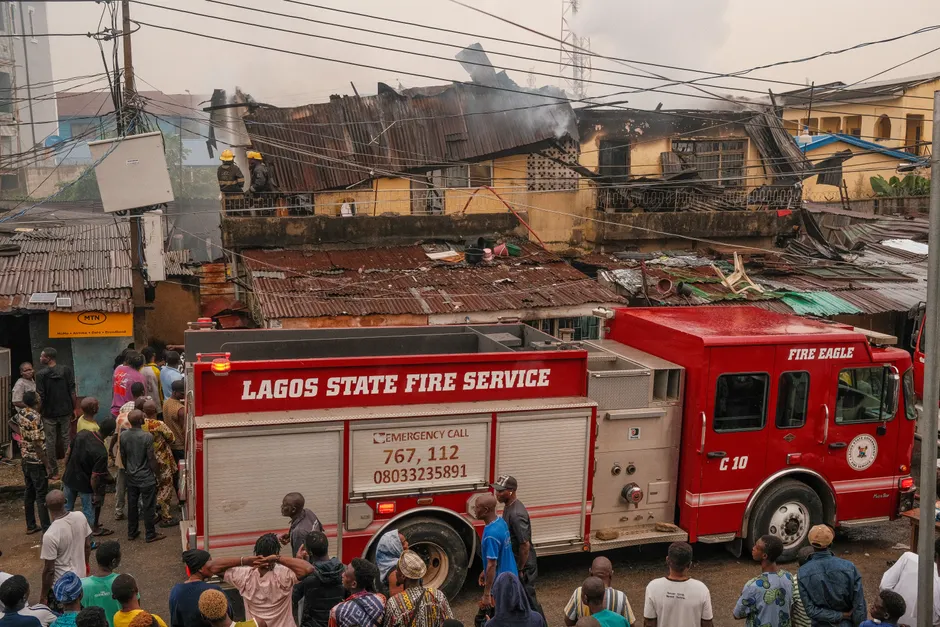
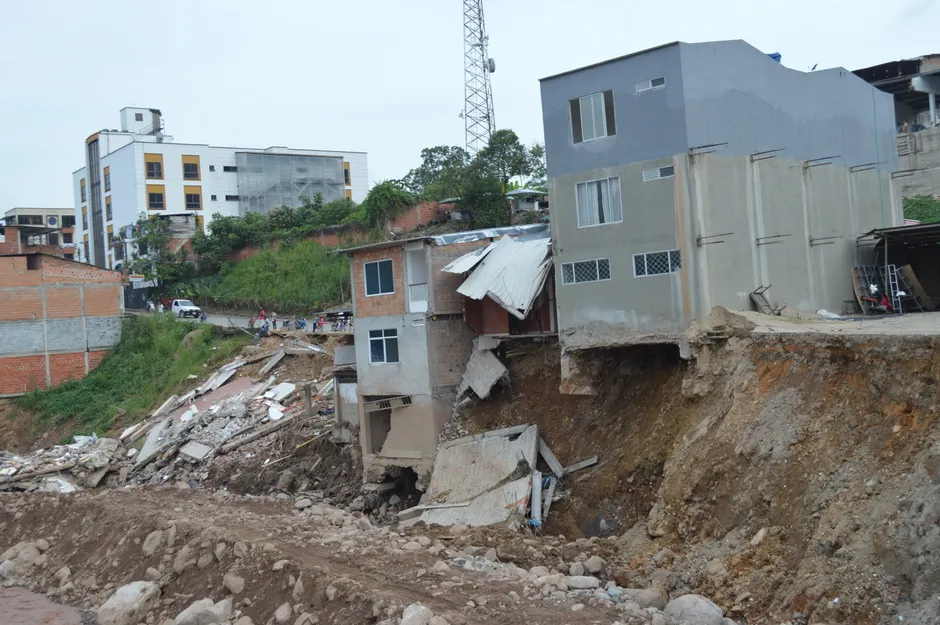
A building fell down on Lagos Island on June 26, 2026, and killed at least nine people. It was not an isolated accident. The same neighborhood had experienced a building collapse less than two years before.
On July 3, 2024, another residential building collapsed just blocks away, on Adeniji Adele Road. Nigeria's National Emergency Management Agency (NEMA) documented that collapse as one of many they track. The fact that two major collapses happened in the same small area is not a coincidence—it reflects underlying problems that affect the entire Lagos Island neighborhood.
Lagos Island has many old buildings, some dating back to colonial times. Over the decades, owners have added extra floors and expanded buildings without making them stronger. Real estate is expensive on Lagos Island, so developers try to fit as much rental space as possible into each building. But these structures were built long ago, before anyone added those extra floors. They were never designed to hold that much weight.
This Is Happening Elsewhere Too
Building collapses are not unique to Lagos Island. In February 2024, a structure under construction at Ochanja Market in Anambra State collapsed at around 6:30 pm, according to NEMA, destroying over 120 shops. That building fell while being built, raising questions about whether workers were properly supervising construction and whether the materials used were safe.
Another Lagos building partially collapsed in May 2024. NEMA documented it but no one died—the building was empty at the time. This shows something important: whether a collapse kills many people or few often depends on chance. A building that falls in the early morning on a weekday endangers fewer people than one that falls during busy market hours or on a Friday evening when families are gathered.
Why Buildings Fall Down
Engineers and government inspectors point to specific problems. Government agencies that are supposed to check buildings and enforce safety rules do not have enough money or staff. The Lagos State Building Control Agency has the authority to stop unsafe construction but works in a city of over twenty million people where many buildings are put up without official approval. Construction companies cut corners by using poor-quality concrete—mixing in cheap materials or using less cement—to reduce costs. Lagos Island also sits on difficult soil: some ground is reclaimed from water, some is low-lying swamp. Buildings need careful study before they are built on such ground, but many developers skip this step.
After a deadly collapse, the government response follows a pattern: rescue workers search for survivors, officials make statements, they promise investigations, and they sometimes demolish buildings that engineers say are dangerous. Lagos State has done this several times. But the question that researchers and engineering organizations keep asking is whether inspectors stay vigilant after the news media moves on to other stories.
What Happens Now
In the short term, rescue crews will search for survivors, hospitals will treat the injured, and engineers will check nearby buildings to see if they are at risk. The harder question—why the same area keeps experiencing collapses—requires long-term commitment. It means building inspectors need proper funding, enforcement needs to be consistent, and courts need to punish developers who cut corners. None of these things are happening at the scale required.