A Waste Dump Collapsed in Guinea, Killing 30 People — Days After the Government Said It Would Close the Site
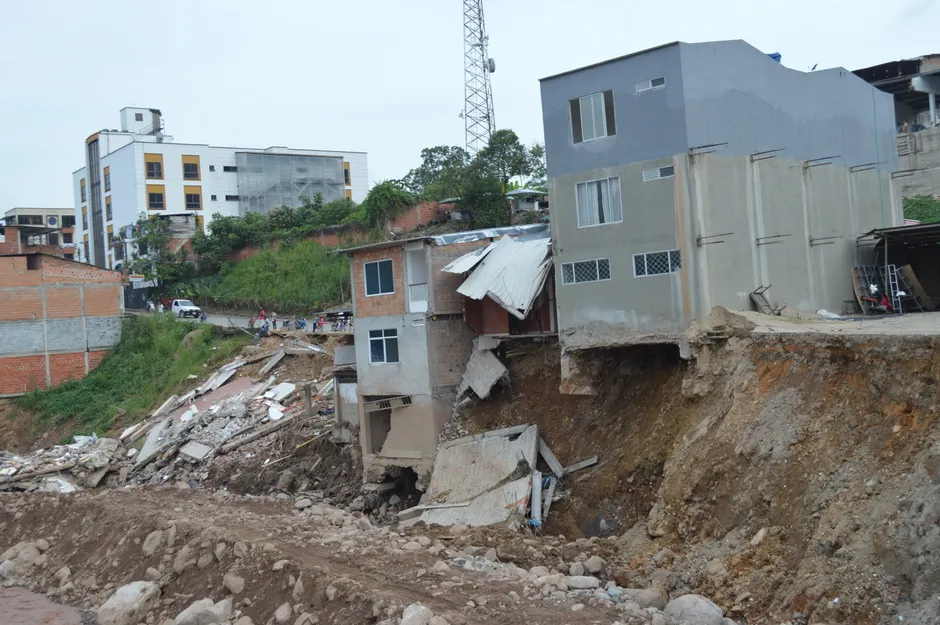
A landslide at a waste dump in Conakry, the capital of Guinea, killed 30 people in the early hours of Sunday, August 23, 2026, according to a government statement reported by The Guardian. The collapse left six people seriously injured and 16 more lightly injured.
The landslide struck at about 2 a.m. local time in the Gbessia area of Conakry. Heavy rains overnight caused a large pile of waste to collapse, swallowing nearby tents and shacks. Witnesses said the slide was big enough to bury an entire apartment building, which gives a sense of how much material came down.
A woman at the site, Cire Diallo, told reporters that five of her children were killed. Her story, along with the government's numbers, shows that the people most affected were those living closest to the dump.
Rescue workers brought in excavators and other equipment to dig through the site. The government said rescue operations were still going on after the first recovery effort, according to Reuters. Guinea's prime minister, Amadou Oury Bah, visited the landfill on Sunday to see the damage and oversee the response.
The disaster happened less than a week after the government said it would close the dump and move the waste somewhere safer. On Thursday, Guinea's minister of territorial administration, Djénabou Touré Camara, announced that the landfill was unsafe and the waste would be moved outside Conakry. The announcement and the landslide were only days apart.
That timing raises an important question: why was there a gap between spotting the danger and getting people out of harm's way? The government knew the dump was risky, especially during the rainy season, but the waste pile was still there and people were still living around it when it collapsed. In many West African cities, people build informal shelters near dumps because they make a living by sorting through garbage for recyclable materials to sell. When a massive pile of wet waste gives way, the weight and speed of the collapse give families almost no time to escape.
Guinea's rainy season usually runs from May through October, and August is one of the wettest months. The government's reason for closing the dump was a real, specific danger: heavy rain can make an unstable pile of waste collapse. What is still unclear from the reporting is whether anyone was moved away from the dump between Thursday's announcement and Sunday's landslide.
The bigger picture is about how fast-growing cities struggle to manage waste and protect the people who live near it. Conakry, like many capitals in West Africa, has grown so quickly that basic city services cannot keep up. Dumps grow larger to handle what the city cannot collect properly, and people build homes nearby because their livelihood depends on the waste. The government's plan to move the waste outside the city shows it understands the problem, but the landslide shows what can happen when action comes too late.
For aid groups and regional organizations, this event is a reminder that cities need to fix environmental dangers before the rainy season turns them into tragedies. A death toll of 30, with 22 more injured, makes this one of the deadliest landfill collapses in the region in recent memory. Whether the government now speeds up its plan to relocate the waste will tell us something about how well its institutions can respond when the stakes are highest.