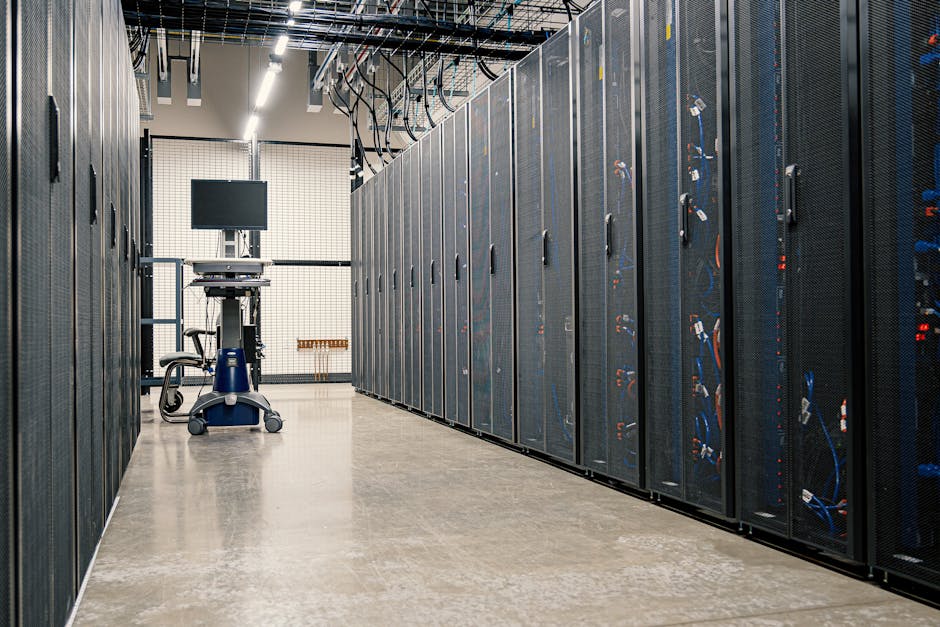
Why Voters Are Angry About AI Data Centers
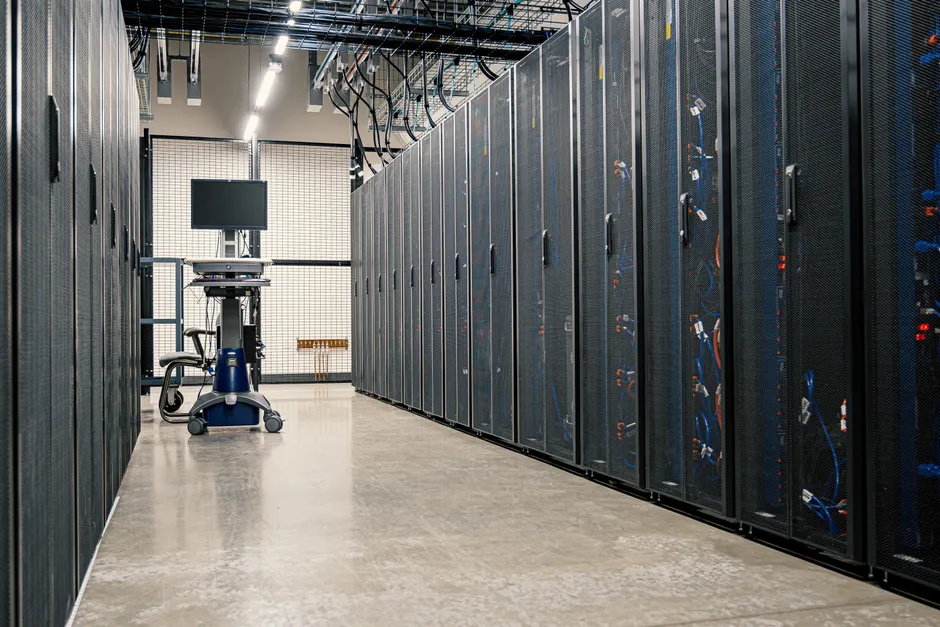
A politician in Utah lost his election largely because voters were angry about a large data center being built near their homes. Similar things are happening in other parts of the country. A data center became an election issue in Virginia. What used to be a boring zoning question has turned into something that costs politicians their jobs.
The numbers tell the story. A recent poll found that seven out of ten Americans do not want an AI data center built near their homes. Nearly half said they feel very strongly about it.
People across the political spectrum are upset. Farmers, environmental groups, and homeowners in Pennsylvania recently teamed up to oppose new data center projects, even though these groups usually disagree on other issues. Communities are complaining about the same things over and over: electricity bills going up, too much water being used, noise, and trucks on roads all day and night.
These data centers are huge and expensive. Microsoft announced plans to spend about $80 billion in 2025 building places where AI can run. Google documented complaints from nearby residents about noise and worries that data centers are too close to schools and homes.
Why This Is Happening
The core problem is simple: the benefits and costs land in different places. When a big company builds a data center, the nation as a whole might gain jobs and technological strength. But the people living nearby are the ones who deal with the mess — their power bills rise, water gets strained, roads get clogged with trucks, and facilities run 24 hours a day with lights and noise. This same pattern happens with highways and power plants, but data centers are being built much faster and in more places at once.
Northern Virginia already has more data centers than anywhere else on earth. Now Utah, Pennsylvania, and Georgia are building them just as fast. These areas are cramming into a few years what took Northern Virginia over twenty years to build. Local governments and water companies are not ready for that speed.
When people feel like their concerns were ignored — when they were not asked about projects until too late, or promised jobs that never arrived — they vote against the politicians who approved them. That is what we are seeing.
Here is something important to understand: most people are not saying they hate AI. The complaints are about where these centers are being built, how decisions get made, and whether local people get real benefits. Those are problems that can be fixed with better planning and community input. Wholesale rejection of AI technology would be something different.
This has happened before with other infrastructure. Cell towers and wind farms also faced strong local opposition at first, which eventually led to new rules and better processes. The difference now is that data centers are moving faster than those precedents, and politicians are paying close attention in an election year.