Tesla's Self-Driving Cars Are Now Picking Up Passengers in Dallas and Houston

Tesla's Self-Driving Cars Are Now Picking Up Passengers in Dallas and Houston
Tesla has started running self-driving taxis in Dallas and Houston. These are real cars that pick up real passengers without anyone sitting in the driver's seat. This is a big step for Tesla as it expands from testing to actual business operations, using the technology it calls Full Self-Driving (FSD).
Tesla started with small test programs in California cities first. Now it's bringing these self-driving taxis to Texas, with cars operating in certain neighborhoods in both Dallas and Houston. What makes Tesla's approach different from its competitors is that it relies mainly on cameras rather than special sensors called lidar that other companies use.
How Tesla's Self-Driving Taxis Work
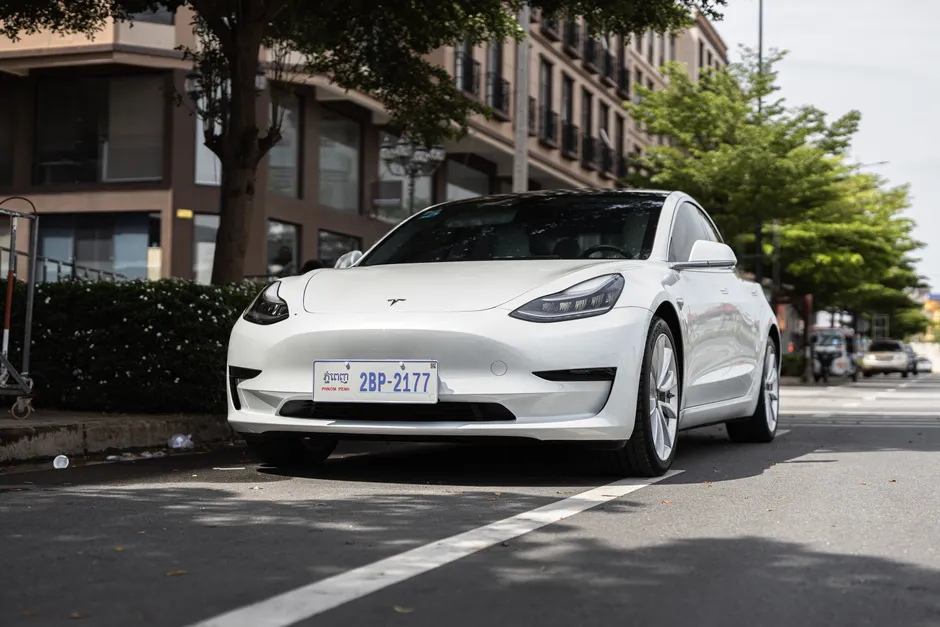
Tesla is using Model 3 and Model Y vehicles (their popular sedan and SUV models) with special self-driving computers inside. Each car has eight cameras pointing in different directions, twelve small sensors that detect distance (like parking sensors), and a front-facing radar.
Here's the key difference: these cars have no safety driver sitting in the car ready to take over. The car does all the driving itself. Think of it like cruise control on steroids — instead of just maintaining speed on a highway, it handles everything: steering, braking, and accelerating through city streets, traffic, and pedestrians.
Tesla has set up control centers where people can watch what the cars are doing. If a self-driving car encounters something tricky it's not sure how to handle, these remote operators can take control of the car from a distance, kind of like a video game controller but with real consequences.
Why Texas?
Texas has fewer rules about testing and operating self-driving cars compared to California. California makes companies fill out lots of paperwork and report every problem that happens. Texas is more relaxed about it. As long as the cars are safe and have insurance, Texas is fine with companies testing and operating them.
This fits Tesla's style — the company likes to move fast and figure things out as it goes, rather than asking permission for everything first.
How Tesla's Technology is Different
Most self-driving car companies use detailed digital maps and special sensors to know exactly where they are. Tesla does something different. Its cars rely on cameras and artificial intelligence (machine learning — computers that improve by learning from examples).
Tesla has trained its computers on millions of miles of driving data from people using its regular cars with autopilot features. The computer essentially "learned" how to drive by seeing all that real-world driving.
Instead of breaking down the driving process into separate steps (like "first identify objects, then plan a route, then send commands to steer"), Tesla's system does it all at once. The cameras send images straight to a computer that decides how much to steer and brake. It's simpler in theory but requires a lot more data and computing power to work safely.
Competition
Tesla isn't the only company doing self-driving taxis. Waymo (owned by Google) has taxis running in Phoenix and San Francisco. Cruise had to stop operations in late 2023 after some safety problems. Amazon's Zoox is testing cars but hasn't started commercial service yet.
But Tesla has an advantage: it already makes millions of cars. It can take cars off the assembly line and convert them to taxis. Other companies have to build everything from scratch, which is expensive and slow.
The Money Side
Tesla charges for rides like Uber or Lyft does. But because there's no driver, Tesla saves money on driver salaries. This means Tesla could potentially charge less than ride-sharing services with human drivers while still making good profits. On the flip side, Tesla has to pay for things like cleaning cars, fixing them, and keeping the remote control centers running.
Tesla and its CEO Elon Musk have suggested that robotaxi services could eventually make more money than selling cars. But that's still just an idea right now — they need to prove it can work at a large scale first.
The Real Test Begins
Expanding to Dallas and Houston is important because these cities are different from where Tesla tested before. They have different weather, different traffic, and different road types. This tests whether Tesla's camera-based system works in many different situations, not just in the places where it was developed.
Tesla has to manage a lot of cars across a big area: making sure they're charged, maintaining them, and handling rush hours when many people want rides. The company also faces criticism from government officials about whether self-driving cars are actually safe. Every accident or problem will be watched closely.
What This Means
This is a major moment for Tesla, the self-driving car industry, and anyone interested in transportation. If Tesla can run safe, reliable taxi services in Dallas and Houston, it proves that self-driving cars can work in the real world. If there are big problems, it could slow down the whole industry.
People in Dallas and Houston will be the first outside of California to actually ride in a fully self-driving taxi service. How people feel about riding in these cars, and whether they feel safe, will matter for the whole industry's future.
For anyone investing in Tesla or following self-driving car news, the next months and years will show whether years of development and billions of dollars actually lead to a working business, or if the dream of self-driving taxis was much harder than anyone thought.