An Hour's Walk to Take an Exam: How War Has Broken Gaza's Schools
Dana Shabat is 18 years old. Every day, she walks for an hour to reach a café in Gaza where she can take her final high school exams. In normal times, this walk would take just a few minutes to a school building. Al Jazeera reported her story on 27 June 2026: she is displaced, living in a tent, and still trying to pass the tawjihi — the exam that Palestinians need to go to university and get formal jobs.
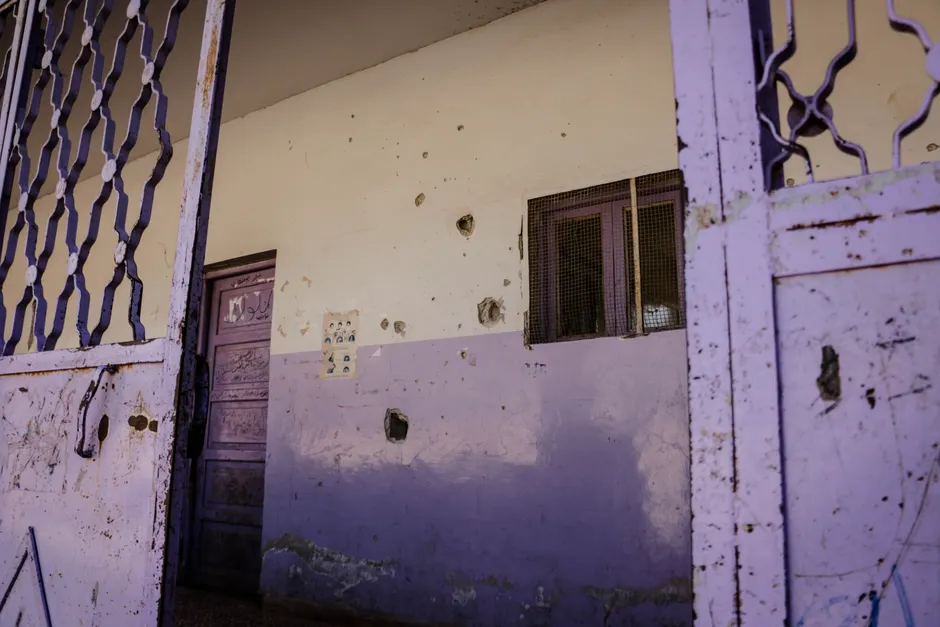
Dana's long walk tells you something important about what war has done to education in Gaza. Every school in the territory closed after the Hamas attacks on 7 October 2023 and the Israeli military response that followed, according to AP reporting from May 2024. Schools have been shut for nearly three years now. Hundreds of thousands of children and teenagers have lost their classrooms. For students like Dana who are ready to take their final exams, missing them means more than a delayed year — it means a delayed start to their entire adult life.
Where Students Take Tests Now
Running exams during a war requires creative solutions. Some students managed to escape to Egypt. The Palestinian embassy in Cairo has supervised final exams for Palestinian students there, Reuters reported in May 2024. About 1,090 Gaza high school students took exams in Cairo by late June 2024 after crossing through the Rafah checkpoint, Reuters also reported. But most students stayed in Gaza and had few options.
Cafés have become the exam halls. They offer electricity and internet — basic things that are hard to find in refugee camps — and a quiet place away from the chaos. That a café has become where students take their final high school exam says a lot about how much the war has destroyed Gaza's basic services.
Why This Matters Beyond the Exam
The Palestinian Ministry of Education is trying to help students learn outside of schools, working with UNICEF, the UN agency reported in January 2026. Community classes can help, but they cannot replace formal exams. The tawjihi is an official state exam — its results matter for university admissions across the Arab world. Getting students to pass it requires working exam centres, safe places to test, and basic supplies. All of these are unreliable right now.
Dana and thousands of students like her lost their entire high school education during the war. When Gaza needs to rebuild — rebuild schools, rebuild hospitals, rebuild government — it will need workers with real qualifications. A broken education system today means a weaker workforce tomorrow.
This is not a new problem in the Middle East. Palestinians who have lived in camps in other countries for decades have had to navigate different education systems. But Gaza is different: the exam system is trying to keep working inside the war zone instead of operating from outside it. That makes everything harder.
What Dana's daily walk shows is a young person trying to hold onto her future despite everything in her way. Whether the Palestinian government and its international partners can keep the exam system running for all students through what has now become four years of conflict is the real question.