Kids Are Swimming Again on Gaza's Beaches After Three Years of War
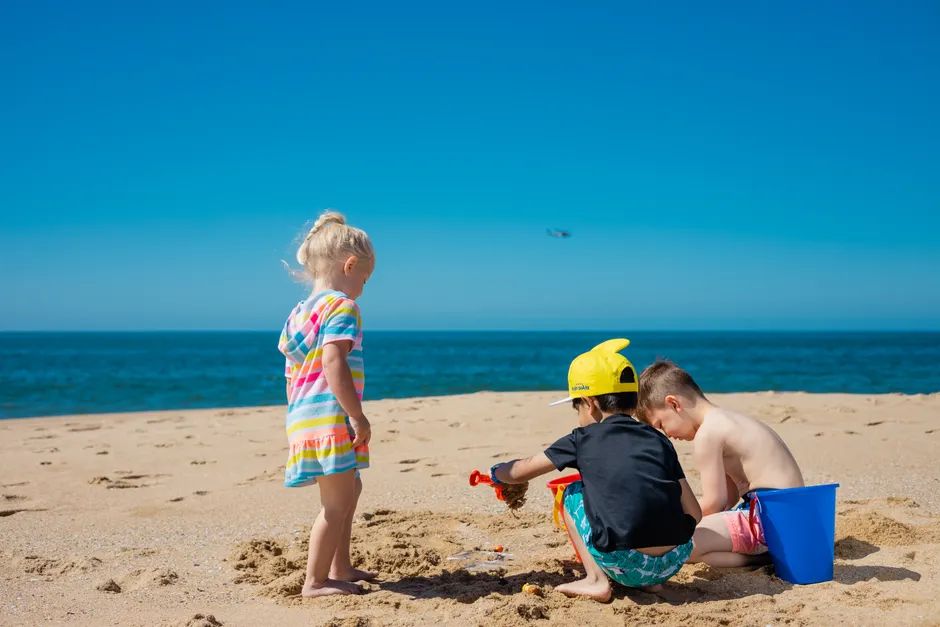
Swimming classes have started again on the beaches of central Gaza after three years of war. The classes use five pools built by hand from sandbags and rubble, according to a report by The Guardian on July 25, 2026.
Volunteers built the pools themselves. They moved rubble, filled sandbags, and dug out sand because there is almost no heavy machinery left in Gaza. Amjed Tantesh started Gaza's first swimming academy more than 20 years ago. In the summer of 2026, he organized dozens of volunteers to build the pools. Tantesh has worked as a journalist for The Guardian and other news outlets. His niece, Seham Tantesh, also reports for The Guardian from Gaza.
Morning swimming classes are free for children whose parents were killed in Israeli attacks. Afternoon classes are open to all children. The program runs under very hard conditions. The Guardian reports that survivors are living in crowded tent camps in about one-third of the land Gaza had before the war, without enough water or proper toilets.
Three days before the feature article, The Guardian released a "Today in Focus" podcast episode on July 22, 2026. In it, Tantesh talks about rebuilding five pools on the beach and children starting swimming lessons again. The newspaper El País had reported on Tantesh's swimming school back in June 2024, calling him the coach and founder of the northern Gaza swimming school. That was more than two years before the current classes resumed.
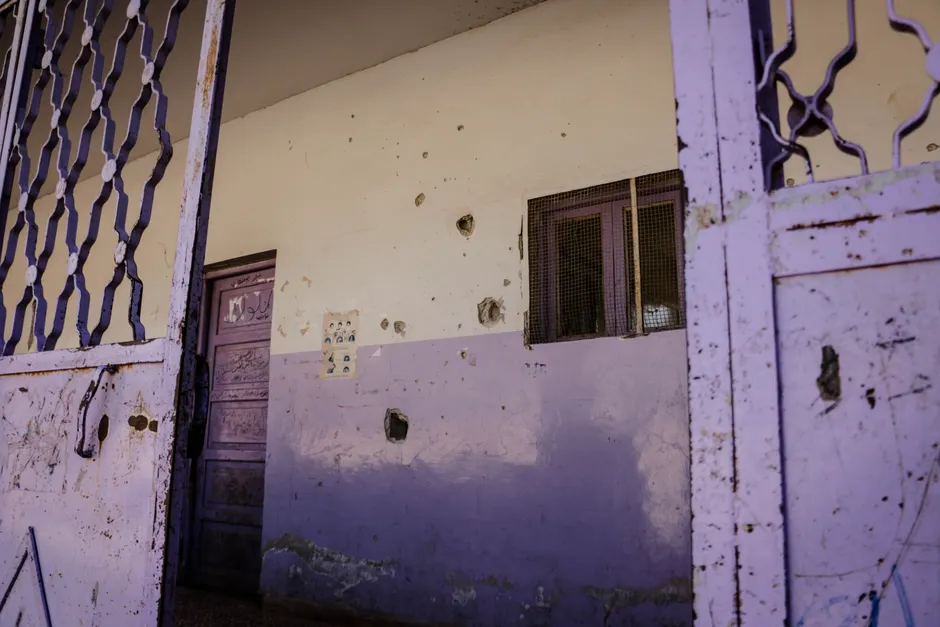
The swimming classes take place amid a crisis in education and mental health. There has been no formal schooling in Gaza for three years. Almost all school buildings have been damaged or destroyed. About 700,000 school-age children live in Gaza. Only a small number have access to makeshift tent schools run by aid groups. A UN survey in March 2026 found that 96% of children in Gaza felt that death was coming soon. The UN called the situation "a widespread mental health emergency." It said that post-traumatic stress disorder, depression, and anxiety are common among teenagers and young people, and that girls are at especially high risk (UN News).
The physical damage is just as severe. Gaza has the highest number of child amputees — children who have lost arms or legs — of any place in the world, according to a UN commission report on Israel's targeting of Palestinian children. One in ten of Gaza's prewar population was killed or injured in Israeli attacks. Thousands more are believed to be buried under rubble. Israel's siege of Gaza, meaning a blockade that blocks food, fuel, and other essentials from entering, caused a famine created by people, not nature. The Guardian reports this famine will leave some children with lifelong damage to their bodies and minds.
Other reports from the same period show children trying to stay cool in the summer heat. Reuters reported on July 21, 2026, that children played in a makeshift pool to cool down at a tent camp in Gaza City. The Chosun, a major South Korean newspaper, reported on July 20, 2026, that children played in a makeshift pool at a tent village in the Gaza Strip on July 17.
The broader context here is the gap between what a swimming class can offer and the scale of what has been lost. Tantesh's program reaches only some of Gaza's children for part of the day. The UN's March 2026 findings, the destruction of the school system, and the famine's long-term effects on child development together describe a crisis affecting an entire generation that no volunteer-built pool can fix. What the classes do provide is structure, physical activity, and a small sense of normal routine for children who have lived without formal schooling, safe shelter, or psychological safety for three years. Whether such community-led efforts can grow to reach more children, or whether they stay as small, isolated projects amid the territory's broader collapse, depends on conditions far beyond the beaches of central Gaza.