Two Massive Earthquakes Hit Venezuela's Coast in 40 Seconds — Here's What We Know

Two Massive Earthquakes Hit Venezuela's Coast in 40 Seconds — Here's What We Know
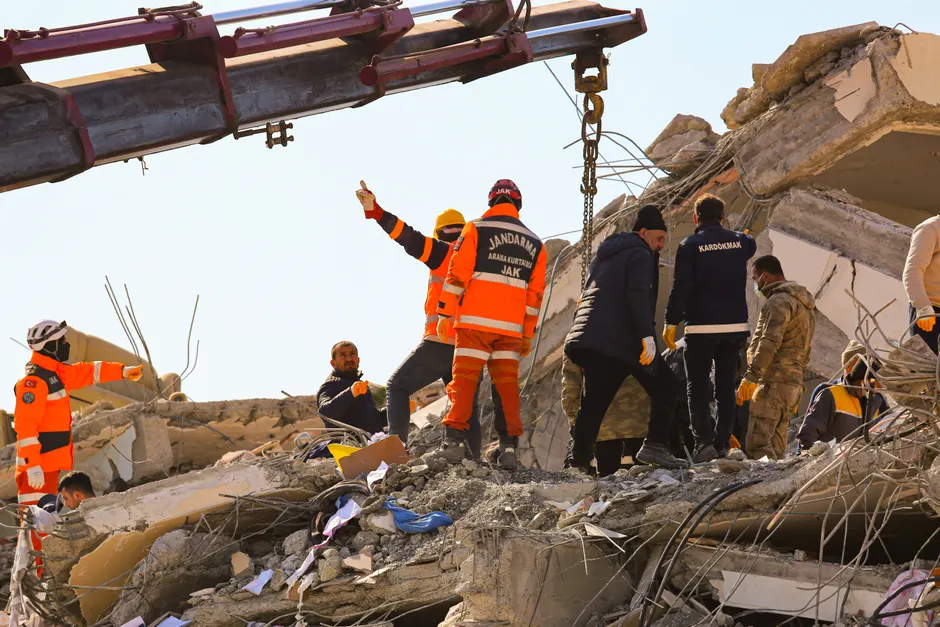
At least 900 people were dead by June 26 after two powerful earthquakes struck northern Venezuela on June 24. A magnitude 7.2 earthquake hit first, followed about 40 seconds later by a magnitude 7.5. Thousands more people are still missing as rescue teams search through collapsed buildings across the region.
Both earthquakes ruptured along the San Sebastian fault, which runs under Venezuela's northern coast near the Caribbean Sea, AP News reported. The first quake struck near San Felipe, in Yaracuy state. The second, larger quake followed in quick succession. Reuters confirmed both magnitudes, and the USGS documented the sequence.
When a smaller earthquake is followed quickly by a larger one in the same area, scientists call the pattern a foreshock and mainshock. That describes what happened here, though seismologists will confirm that classification officially once they study the pattern of aftershocks over the coming weeks.
A Fault Line Built Into the Land
The San Sebastian fault is part of a larger system of cracks in the Earth's crust that marks where the Caribbean and South American tectonic plates collide. Think of tectonic plates like enormous puzzle pieces that fit together but are always shifting slightly. Where they meet, stress builds up and releases in earthquakes.
This same fault caused a devastating earthquake in 1967 that killed hundreds of people and destroyed much of Caracas, Venezuela's capital. Scientists have known for decades that this fault is Venezuela's biggest earthquake risk. But knowing a risk exists and actually preparing for it are two different things.
San Felipe sits about 110 miles west of Caracas. Earthquakes measuring 7.2 and 7.5 are powerful enough to cause widespread damage, especially to buildings that don't meet modern earthquake safety codes. Venezuela's economy has struggled for the past decade, making it harder to maintain buildings and enforce safety rules. When earthquakes strike countries with older or poorly maintained buildings, more people tend to die.
The Death Toll and the Search Ahead
The death count of at least 900, reported by Reuters on June 26, will almost certainly climb. Rescue teams typically work through the rubble for days after earthquakes this large. The fact that "thousands are reported missing" tells us the confirmed death count is likely much lower than the actual toll.
Venezuela's emergency response systems have been strained for years. International aid has been politically complicated for Venezuela under its current government, which affects how quickly outside rescue teams could arrive and help if they were invited.
The immediate work is clear: find survivors, provide medical care for the injured, and check whether key infrastructure like roads, bridges, and ports suffered damage. La Guaira, Venezuela's main port on the Caribbean and the gateway for supplies to Caracas, sits directly on the fault line. Any damage there would make it harder for international aid to reach people who need it.
After earthquakes this size, strong aftershocks — sometimes measuring magnitude 6 or higher — can continue for days or weeks. Buildings already damaged by the first quakes are at risk of collapsing during these aftershocks, which puts both survivors and rescue workers in danger.
What Happens Now Matters
The bigger question is how Venezuela's government handles the relief effort. The country already faces severe economic hardship. If the government allows international rescue teams and aid organizations to work freely, more lives could be saved. If it limits outside help, the final death toll could be much higher.
Seismically, the San Sebastian fault system is not finished with this event. Earthquakes redistribute stress along nearby fault lines, sometimes triggering future earthquakes in adjacent areas. Scientists are already working on models to figure out where the risk has increased. For a country now managing a major disaster, that is not just a technical exercise — it shapes where rescue resources need to be deployed next.