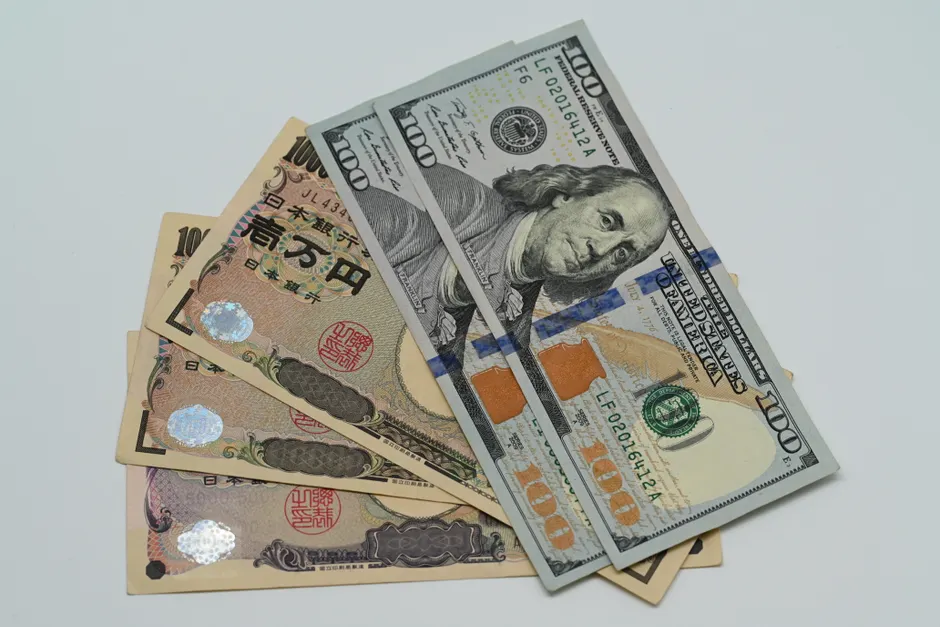
Why Asian Money Is Holding Steady Against the Dollar

Asian currencies held steady against the dollar in early trading, as investors saw less chance of another U.S. rate hike. Wall Street Journal
The hard numbers give a clearer base. The dollar index, a score that tracks the dollar against other big currencies, was up 0.3% at 99.961, the highest in nearly five weeks. Reuters That number was published Sept. 16.
The most recent dated review, published Sept. 27, said many Asian currencies fell sharply against the dollar while the Fed was raising rates to fight inflation. Reuters
Earlier moves add background. The U.S. dollar rose widely on Monday, Sept. 14, while fighting in the Middle East pushed oil prices higher. Reuters
Before that, reporting published June 8 said Iran and Israel agreed to stop attacks. The dollar slipped that Monday but stayed near its highest level in nearly two months. Reuters
The oldest policy note here comes from minutes published Dec. 29, 2025, which showed the central bank was split on 2026 policy. Reuters
The broader context here is timing. After a long fall, a steady patch often means investors are rethinking U.S. rates. It does not mean Asian economies have changed. Lower hike chances can ease the cost of borrowing dollars and hedging currency risk. It does not erase past losses. Moves were small. Few had strong conviction.
In my view, treat this like catching your breath after a long run. Prices are likely to stay in a range until the rate outlook clears. A split Fed keeps that outlook fuzzy. That leaves currencies sensitive to jobs numbers, inflation reports and Fed comments. Short-term swings still matter for yield seekers, even when exchange rates look quiet.
Looking at what this means for money, oil pulls the other way. Higher oil linked to conflict tends to help the dollar against countries that import oil, because fuel bills rise and push up prices at home. That works against relief from softer rate bets. The result differs by trade balance and cash reserves, and by whether governments absorb fuel costs or pass them to shoppers. For savings with Asia currency risk left unprotected, track those two forces separately.
From a risk perspective, quiet headlines can hide change. Borrowing costs, forward prices and inflation hopes often move first. Timing matters. Waiting for clearer rate signals can avoid mistakes. It can also mean missing early gains. Sticking to hedge plans and exit points matters more than guessing the turn.