Apple Releases New M5 Chips and MacBook Neo as Production Moves to Houston

Apple Releases New M5 Chips and MacBook Neo as Production Moves to Houston
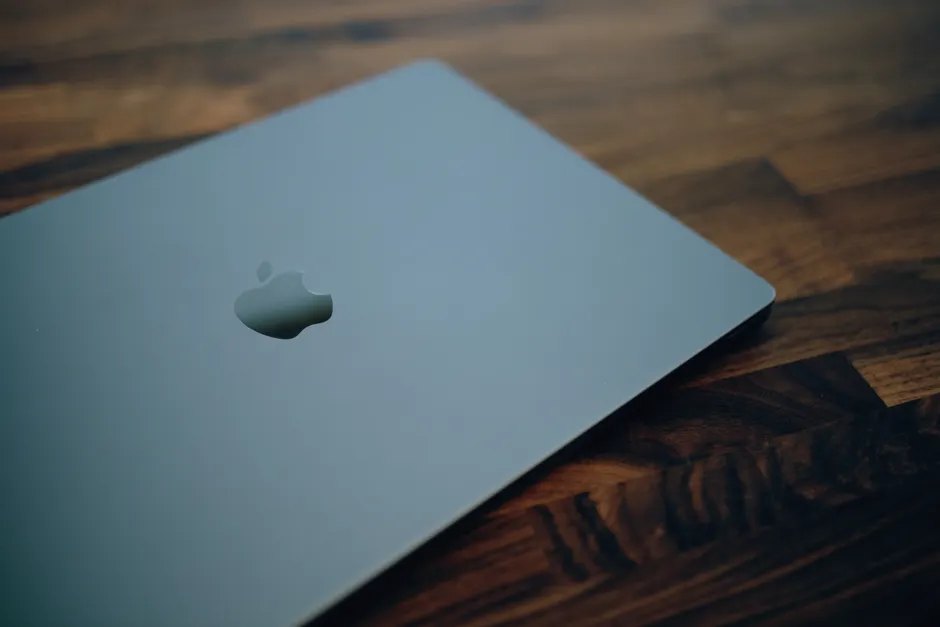
On March 4, 2026, Apple announced the MacBook Neo, a new laptop that joins refreshed versions of the MacBook Air and MacBook Pro. All three models feature Apple's new M5 chips. The announcements come after Apple said in February that it would begin making Mac mini computers in Houston, Texas—a shift away from overseas manufacturing that has dominated the company's production for years.
What Are the New M5 Chips?
The M5 is the latest generation of chips that power Apple's Mac computers. Apple released three versions: the base M5, the M5 Pro, and the M5 Max. Think of them like different engine sizes in cars—each one offers more power and speed than the last.
The M5 builds on designs from the earlier M4 chip. While Apple hasn't revealed all the technical details, the company appears to be focused on making these chips faster while using less battery power. The chips also include improvements to their "neural engine"—a specialized section of the processor designed to handle artificial intelligence tasks quickly and directly on your computer, rather than sending work to remote servers.
The M5 is coming out about eighteen months after the M4 arrived, which keeps Apple on its regular schedule for updating Mac hardware.
The Mystery of MacBook Neo
Apple announced a new product called the MacBook Neo but gave few details about what it actually is or where it fits in the lineup. The name suggests this is something new and different, not just another version of the Air or Pro models Apple already sells.
It's unclear whether the Neo is meant to fill a gap in Apple's product lineup, appeal to a specific group of customers, or serve some other purpose. Apple's newsroom announcement didn't spell this out. This has happened before—Apple released a MacBook model (without the "Air" or "Pro" labels) in 2015, tested the market, and then discontinued it a few years later. The Neo could follow a similar path as an experiment, or it could become a permanent part of Apple's product family.
Why Manufacturing Matters
Apple announced in February that it would start building Mac mini computers in a factory in Houston. This is significant because Apple has relied almost entirely on manufacturers in Asia—mainly Taiwan and China—to make its computers for decades.
By producing Macs in the United States, Apple gains some flexibility. If supply disruptions happen somewhere in the world, the company won't be as vulnerable. There are also advantages in shipping costs and the ability to customize products for specific markets. The Houston facility gives Apple a foundation to potentially expand domestic production of other Mac models over time, though the company hasn't committed to doing so.
This shift reflects concerns that have grown since 2020 about keeping supply chains reliable and reducing dependence on any single region for manufacturing. Trade policies between the U.S. and other countries have also shifted, making domestic production more attractive.
The AI Connection
Tim Cook, Apple's chief executive, has said the company has been working on artificial intelligence technology for years. The M5 chip's neural engine likely incorporates improvements to help Macs run AI tasks locally—on your computer—rather than sending data to cloud servers operated by companies like Microsoft or Google.
Apple has historically designed its chips and software together, so it's reasonable to expect that the M5 was built alongside specific AI features Apple plans to add to its computer operating system and applications. This pattern played out before. When Apple introduced a neural engine in its A11 Bionic chip for iPhones in 2017, there weren't many visible AI features at first, but the hardware lay the groundwork for Face ID, computational photography enhancements, and other machine learning capabilities that became central to iPhones over the next few years. The M5 may follow a similar path, with AI features rolling out gradually through software updates.
What This Means Going Forward
Apple is updating its MacBook Air and Pro lines at the same time, which is different from the past few years when updates came spread out over months. This coordinated approach, combined with the move to Houston manufacturing, suggests Apple is trying to manage both its product demand and its supply chain more strategically.
The M5 rollout reflects broader changes in computing. As AI tasks become more routine—think real-time translation, analyzing documents, or predicting what you're about to type—computers need specialized hardware to handle this work efficiently. Apple's approach of building AI capabilities directly into its chips, rather than bolting them on separately, gives the company an advantage as these features become more important to how we use our computers.
The shift to Houston production also signals Apple's confidence in the Mac business. Rather than treating Macs as a legacy product to be minimized, the company is investing in new manufacturing capacity and hardware improvements. Over the next few years, we may see whether these changes translate into faster, more capable computers and a more stable supply chain for the products millions of people rely on daily.