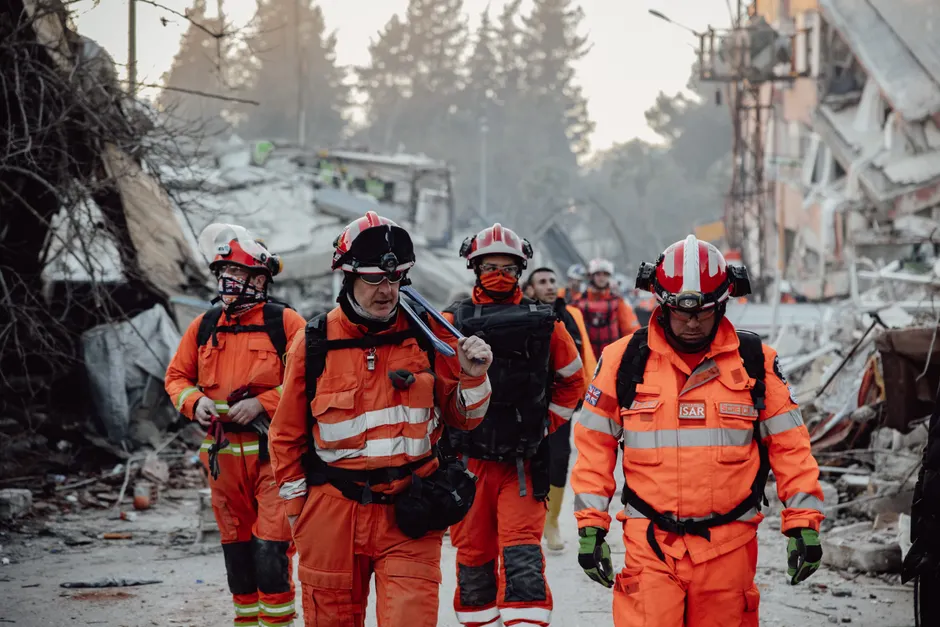
Two Earthquakes Devastate Venezuela: 1,430 Dead, Tens of Thousands Missing

Two major earthquakes struck Venezuela on June 24–25, 2026. One measured magnitude 7.5, the other 7.2. By June 28, at least 1,430 people had died, more than 3,150 were injured, and an estimated 51,000 were missing. La Guaira, a coastal city, was hit hardest.
The death count grew quickly as rescue workers reached more areas. On June 25, Venezuelan officials reported 188 confirmed deaths, according to Reuters. By June 26 the number had jumped to 920. By June 28 it had reached 1,430, per Al Jazeera. The huge gap between confirmed deaths and missing people suggests rescue teams have not yet reached all the most damaged neighborhoods.
La Guaira: The Hardest Hit City
La Guaira sits on Venezuela's Caribbean coast, squeezed between steep hills and ocean. This geography leaves little room to escape when earthquakes strike. Buildings in the city range from old structures to newer ones, and when the ground shook, many could not withstand the force.
Two players from a local football club, Club Sport Marítimo de La Guaira, lost family members in the disaster. Their stories show how the earthquakes affected real people and families.
Two Families Lost
Héctor Bello was a defender for the team. When the earthquakes hit, he was away from home. His wife, Andrea Bello, died while protecting their one-year-old daughter from falling debris. The daughter survived. Bello announced his wife's death on June 26, according to BBC News.
Lucas Trejo was a 38-year-old center back from Argentina who had just joined the club for the 2026 season. He was at a team training camp in Caracas when the earthquakes happened. He rushed back to La Guaira, where his wife and two children were at home. None of them survived. Trejo had moved his family to Venezuela for football, placing them in the city that was hit the hardest, according to The Guardian.
Trejo was away because of his work. That fact will shape how he processes this loss, and how others around him respond to what happened.
Why So Many People Are Missing
The number of missing people — 51,000 — is roughly 35 times larger than the number of confirmed deaths. That huge difference matters. Some missing people may simply be temporarily out of touch with family or unable to reach authorities. But La Guaira's severe damage suggests many people are still trapped under collapsed buildings or scattered throughout the city without a way to contact anyone.
Rescue teams have a limited window to find survivors in collapsed buildings — usually 72 to 96 hours. After that, chances of finding people alive drop sharply. Since the first earthquake struck on June 24, that window has largely closed. The death count will likely rise as rescue workers reach areas that have not yet been searched, but the rate of increase will probably slow down.
Venezuela Was Already Struggling
Venezuela's infrastructure — hospitals, emergency services, roads — was already in poor condition before the earthquakes. The country has faced severe economic problems and international restrictions (called sanctions) for more than a decade. Public services are stretched thin. When a massive disaster strikes, these weak systems struggle even more.
International help and whether Venezuela's government accepts it will determine how fast the country can recover. Venezuela has difficult relationships with Western countries and international organizations, and that tension has often slowed disaster aid in the past. Those diplomatic problems could make recovery slower and harder.
How many people ultimately die depends not just on the earthquakes themselves, but on how well Venezuela can carry out rescue and recovery efforts. And that depends on choices about accepting international help that go far beyond the disaster.