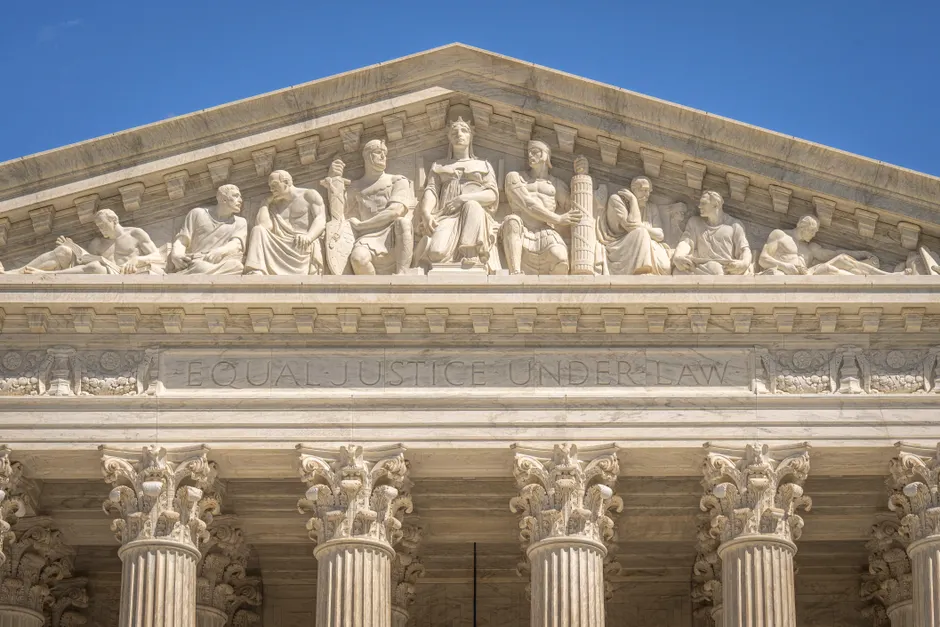
Supreme Court Says States Can Count Late-Arriving Mail Ballots

Supreme Court Says States Can Count Late-Arriving Mail Ballots
On June 29, 2026, the Supreme Court ruled 5-4 that states are allowed to count mail-in ballots that arrive after Election Day closes, as long as those ballots were mailed by Election Day itself. The case, Watson v. Republican National Committee, settled a question that had confused election officials in roughly 30 states and sparked court fights across the country.
To understand why this matters: About 30 states already have rules letting them count ballots that were mailed on time but arrived late. Some states like Mississippi give themselves up to five extra business days to count them. The Republican National Committee wanted the Supreme Court to ban this practice nationwide. If the RNC had won, those 30 states would have had to rewrite their election rules before the 2026 midterm elections — a tight deadline that would have scrambled their operations.
What Led to This Case
The Supreme Court case grew out of an earlier decision. In January 2026, in Bost v. Illinois State Board of Elections, Congressman Michael Bost and two other federal candidates sued Illinois, arguing that counting ballots after Election Day broke federal law. That earlier case set up the bigger question the Supreme Court just answered in Watson.
What the Court Decided
The majority said states can make their own rules about when to accept mail ballots in federal elections. Federal law does not override state election rules on this point — at least not the way the Court reads federal law now.
The RNC's argument was simpler: federal law says there is one Election Day, and any ballot received after that day is late and should not count. The Court majority rejected this. They drew a distinction: when you mark your ballot and put it in the mail, that is the moment you vote. When election officials later receive and open it is a separate step. The state can handle that second step on its own schedule, the Court said.
Why This Matters Now
For election administrators, the ruling is a relief. States that already let ballots arrive in the days after Election Day can keep those rules without having to go back to their legislatures and change the law.
The political story underneath is worth understanding. In recent years, more Democrats than Republicans have voted by mail, making them a bigger group of mail-ballot voters overall. Republicans brought this case partly because they thought a rule requiring ballots to arrive by Election Day would lower the total number of ballots counted — which would have worked in their favor in closely contested states like Pennsylvania, Michigan, and Wisconsin. The Court's decision blocked that path.
The Brennan Center for Justice, a legal research organization, raised concerns during the case about whether the facts being discussed — claims about mail-ballot fraud and how reliable the postal system is — were accurate. When the full opinion comes out, legal experts will look closely at whether the Court's reasoning rests on solid ground.
For voters and election workers: this settles the question, at least for now. The 5-4 split is narrow, though, which means future cases or changes to federal law could shift things again. But for the 2026 election cycle, this is the rule in place.