What Happens to Deported Americans When Disaster Strikes

More than 100 people recently deported from the United States survived powerful earthquakes that hit Venezuela's coastal city of La Guaira in late June 2026. They were staying in a hotel when the ground shook, AP News reported on June 29. This incident connects two major crises unfolding in the Western Hemisphere: Venezuela's worsening conditions under President Maduro and the U.S. government's aggressive campaign to deport people back to their home countries.
The Earthquakes
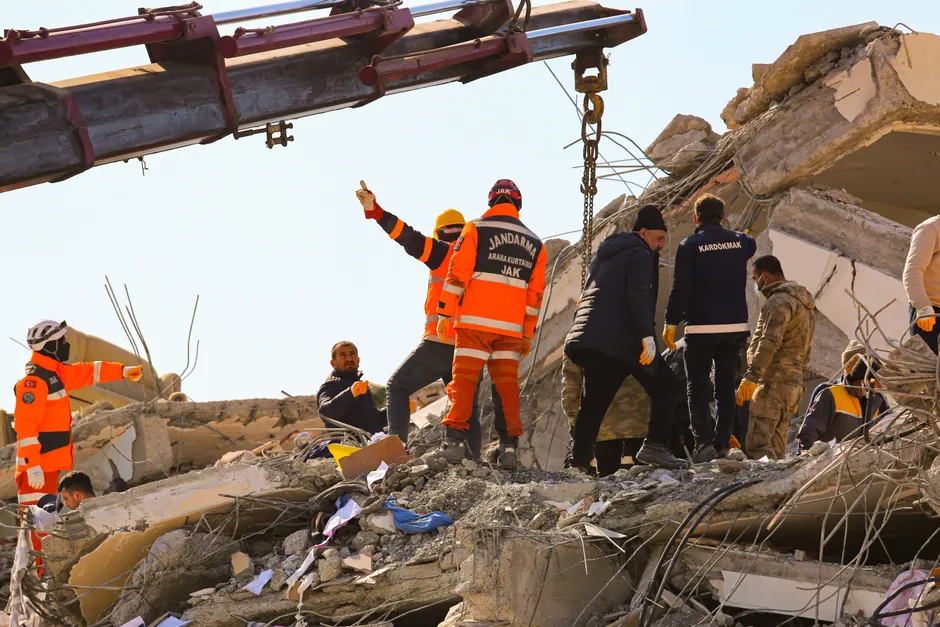
Two earthquakes struck in quick succession. The larger one measured 7.1 on the magnitude scale—powerful enough to collapse buildings. Hotel Eduard, where the deportees were staying, came down completely, according to videos from the scene. Dozens of apartment buildings and offices throughout La Guaira were also destroyed. More than 1,700 people died, and over 5,000 were affected by the disaster. These numbers may grow as rescue workers continue searching.
Why This Matters
The fact that deported Americans survived adds an important question to this tragedy. The U.S. government has been deporting people to Venezuela much faster than before. In just March 2026, Immigration and Customs Enforcement (ICE) sent 225 flights carrying deportees to 46 different countries—a jump of 23% compared to previous years, according to the ICE Flight Monitor, which tracks deportation data. Venezuela has been one of the destinations, even though the U.S. and Venezuelan governments barely speak to each other and have no official agreement about how to handle these deportations.
Here's the problem: when the U.S. deports someone to Venezuela without a formal agreement, the Venezuelan government puts them in hotels or detention centers instead of releasing them to their families immediately. That's what happened to this group of over 100 people. They survived because they happened to be in a building that held up, but others in nearby buildings did not.
The Deeper Issue
Venezuela is vulnerable to earthquakes. La Guaira sits at the base of mountains along a fault line where earthquakes happen regularly. But on top of that, Venezuela's buildings are already in poor condition. Years of economic problems and lack of maintenance have weakened them. When a major earthquake hit, these buildings couldn't handle the shaking.
There's another problem with this situation. The U.S. doesn't have officials in Venezuela who can check on deported people after they arrive. That means the government doesn't know what's actually happening to them. The ICE Flight Monitor helps track how many people are deported, but it doesn't follow what happens to them once they land.
Venezuela's government is now dealing with two crises at once. It has to respond to a massive earthquake while also handling an unexpected influx of deported people. The Venezuelan government didn't formally agree to take these people back, which makes an already difficult situation even more tense.
What Happens Now
The deported people who survived cannot go back to the United States—their deportation orders are still in effect. International aid groups trying to help in La Guaira face challenges because of the earthquake damage and because Venezuela's government limits what independent organizations can do. Right now, the surviving deportees are in the same situation as hundreds of thousands of other Venezuelans: waiting for help in a city where much of the infrastructure is gone.