A Deadly Earthquake in Venezuela: What Happened and Why
Two earthquakes hit Venezuela in late June 2026, killing at least 920 people and leaving thousands injured. The United Nations Development Programme estimated the damage at $6.7 billion — roughly equivalent to half of what the entire country produces in a year.
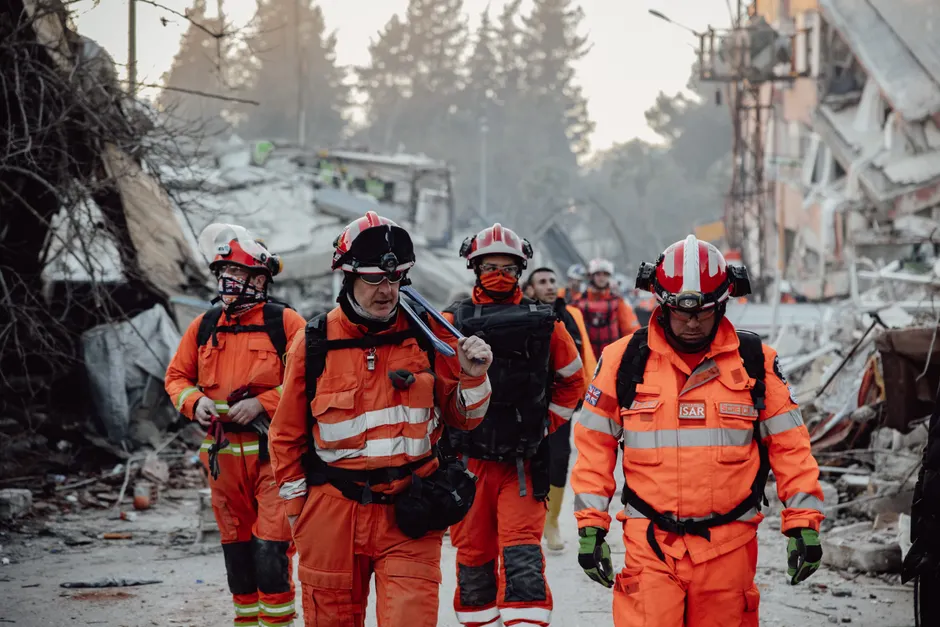
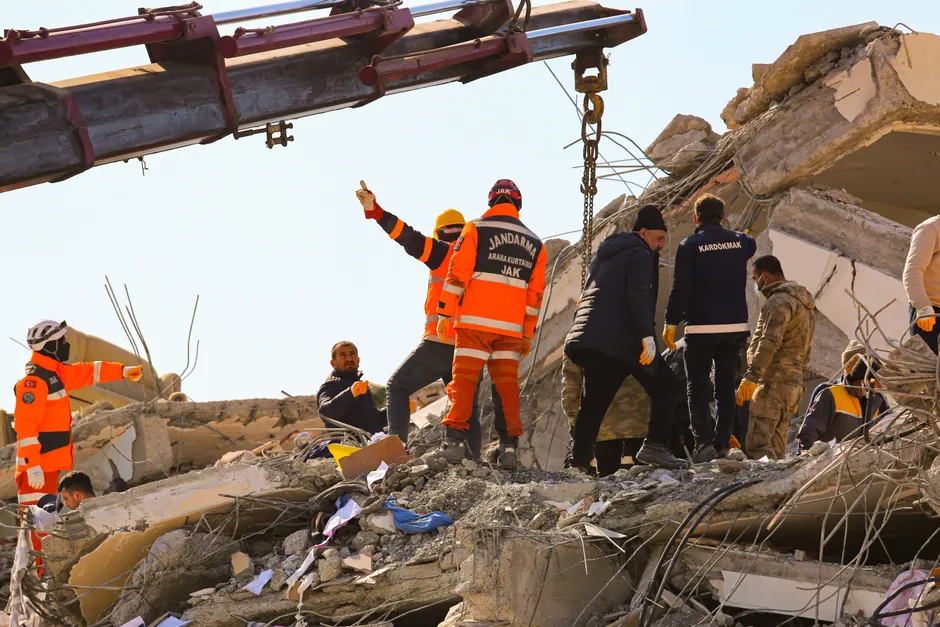
La Guaira, the main port city that serves the capital, was hit hardest. Video from BBC and CNN showed apartment buildings collapsing floor by floor, like a stack of pancakes falling inward. When buildings collapse this way, there is little air space left for people to survive in, and rescue teams have only minutes to find survivors.
Why So Many Died
Earthquakes happen in Venezuela all the time — the country sits on a fault line between two large plates of the Earth's crust. But the death toll here was exceptionally high because of how buildings were constructed. News reports pointed to poor building quality and aging apartment blocks as major reasons for the deadly collapses.
For decades, Venezuela invested very little money in maintaining or upgrading buildings. When the economy fell apart in the 2010s, things got worse. Money ran out for repairs. Many apartment buildings in coastal cities like La Guaira were built 60 or 70 years ago, long before modern earthquake safety rules existed. Nobody retrofitted them — that is, nobody went back and reinforced them to meet today's standards. Countries like Japan and Chile do this routinely in earthquake zones. Venezuela did not.
The Difficult Road Ahead
The military is leading rescue and cleanup efforts because Venezuela's civilian disaster agencies have been badly weakened. It's not clear how quickly they can handle a disaster of this size.
A loss of $6.7 billion is devastating for a country that only produces about $90–100 billion in goods and services per year. The port in La Guaira is where most goods arrive. If it stays damaged for too long, it will make it even harder for ordinary Venezuelans to find food and basic supplies.
Venezuela's government under Nicolás Maduro has often distrusted international aid. It is too early to know whether this disaster will make the government more willing to accept help from other countries.
Venezuela is not alone in this problem. Across Latin America, seismic experts have mapped where earthquakes will happen. The real challenge is not figuring out where the danger is — it is having the money and political will to protect buildings. What happened in La Guaira was the predictable outcome of that gap. International financial sanctions against Venezuela make it much harder for the country to pay for rebuilding.
Right now, rescue workers are still searching for people who might have survived. As time passes, this becomes less likely. With over 900 people confirmed dead, this is one of the worst earthquakes Venezuela has ever experienced.