Venezuela Is Taking Back Deportees From the US Again. Here's Why It's Complicated.

Venezuela has started accepting deportation flights from the United States again. These are flights that send people back to the country they are citizens of, after the US government decides they should be removed.
The New York Times reported on August 3, 2026 that the flights between the two countries are running again. It is not clear from the available reporting exactly how long the most recent pause lasted. But the pattern is well known: the flights stop when the two governments are not getting along, and they start up again when they reach some kind of agreement. An earlier restart was reported by The New York Times on March 23, 2025, when Venezuela accepted a flight for the first time in weeks.
Here is how deportation flights work in general. The United States removes people it considers to be in the country without permission and sends them to their home country. This usually happens under an agreement between the two governments that covers how often flights happen, how the government confirms a person's nationality, and what happens to people once they land. When that agreement breaks down, the flights pause. When they resume, the restart itself tells you the two governments have reached some kind of understanding, even if it might not last.
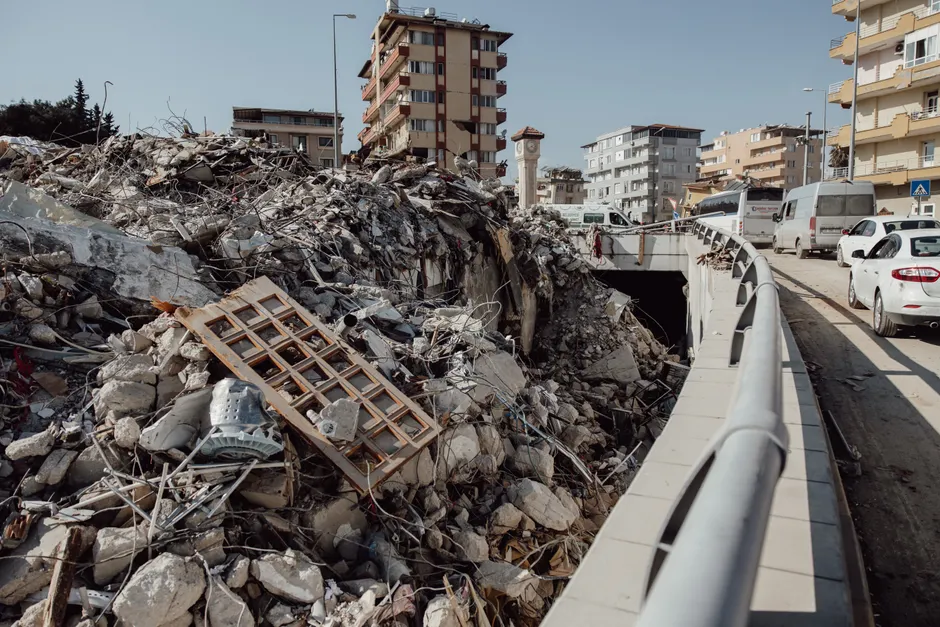
What makes this particular restart so heavy is what happened on an earlier flight. A deportation flight carrying 147 Venezuelans arrived in the country just hours before earthquakes struck, according to The New York Times and El País. Those 147 people were being held at a hotel in Caracas, Venezuela's capital. The hotel collapsed during the earthquakes, as El País reported on July 3, 2026.
Think of it this way: imagine being sent back to your home country and told you cannot leave yet. You are in your own country, but you are being held by the government in a building you did not choose. Now imagine that building collapses. That is what happened here. The sequence was: deportation flight lands, people taken to a hotel, earthquakes strike, hotel collapses.
The use of a hotel, rather than a building specifically designed for processing people arriving on deportation flights, raises real questions. Most countries that regularly receive deportees use dedicated reception centers. A hotel suggests the arrangement was either improvised or set up as a temporary shortcut. Either way, the people inside had no say in where they were held, and the building was not able to withstand an earthquake.
El País reported that families have been searching for their loved ones amid what the newspaper described as government obstacles. The aftermath of the collapse has made it hard to find and account for the people who were inside the building. The full human toll is still being reported.
The broader picture here is that the United States is continuing to send people to Venezuela even after the earthquake episode showed real dangers. Venezuela is accepting them even though its processing system appears strained. And the 147 people from that earlier flight, some of whom were inside a collapsing building, are still a live story. Families searching for relatives while facing government obstruction is not something that gets resolved quickly.
The resumption of these flights does not erase what happened. Every flight that lands in Venezuela now carries the memory of a building that collapsed with deportees inside. For government officials, the question is whether they have reviewed and fixed the way returnees are housed. For the people on future flights, the question is simpler and more urgent: what building is waiting for them when they land, and will it hold up? Neither question has been answered in the available reporting, but both are now impossible to ignore.