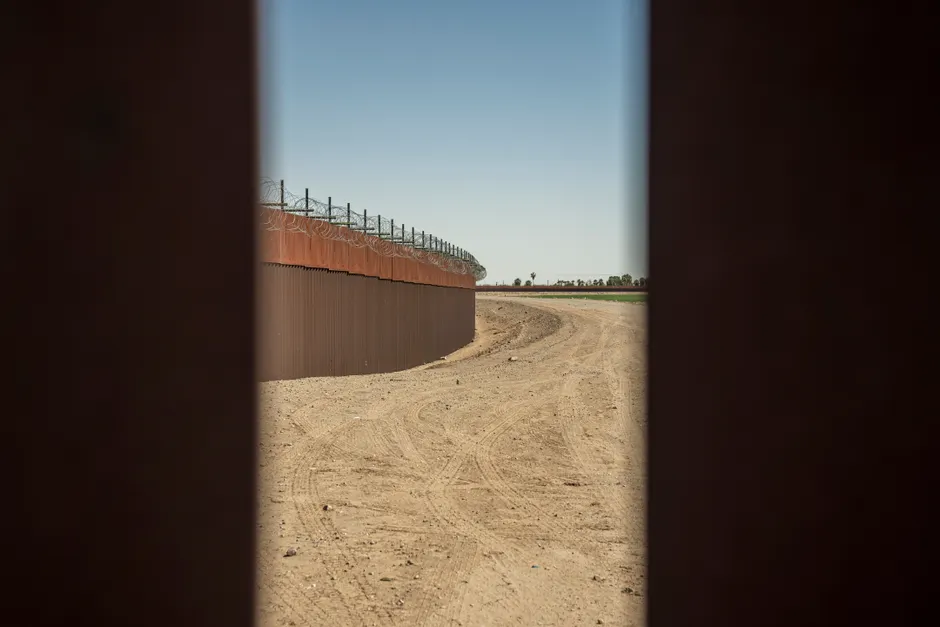
What Trump's Birthright Citizenship Order Actually Does — and Why It's Now at the Supreme Court
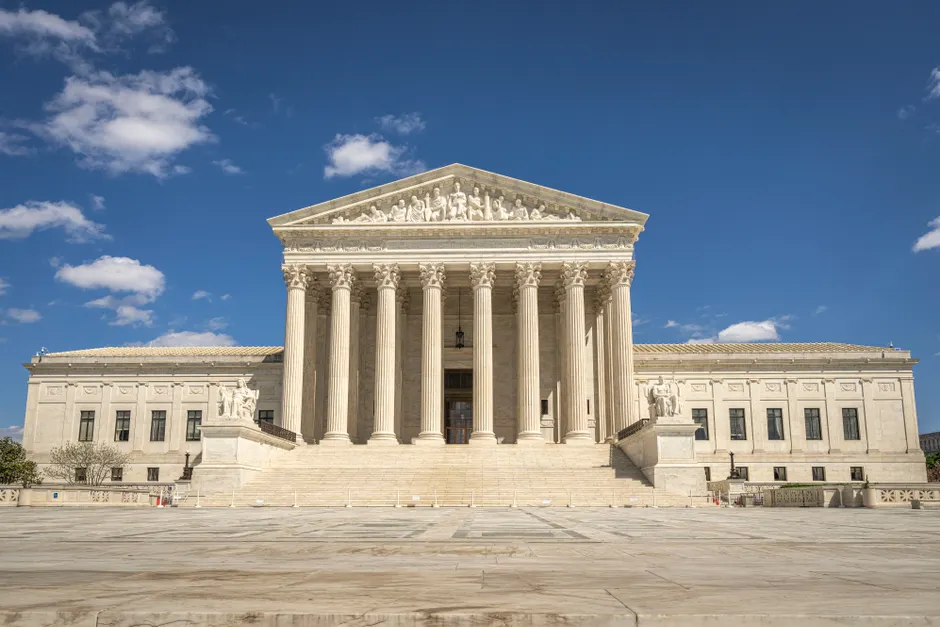
President Trump signed an executive order on January 20, 2025, telling federal agencies to stop automatically granting U.S. citizenship to babies born here if their parents are not citizens or permanent residents. This challenges a rule that has been in place for over 100 years.
Federal courts quickly blocked the order. Now the Supreme Court has to decide whether it is legal.
The question is about one part of the Constitution called the Fourteenth Amendment. It says: "All persons born or naturalized in the United States, and subject to the jurisdiction thereof" are citizens. For 125 years, the government has read this to mean: if you are born on U.S. soil, you are a citizen — no matter what your parents' status is. The Supreme Court confirmed this reading in 1898 in a case called United States v. Wong Kim Ark.
In that case, a child was born in San Francisco to two Chinese parents. At the time, Chinese people could not legally become U.S. citizens, but the Supreme Court still ruled the child was a U.S. citizen because he was born here. The Court based this on old English law and on the plain words of the Fourteenth Amendment, which was written partly to give citizenship to freed slaves.
Trump's order is based on a different reading of that same phrase. His legal team argues that "subject to the jurisdiction thereof" should exclude people in the country illegally — and their children born here. Legal scholars have written about this idea, but no Supreme Court has ever agreed with it.
There is another legal question that matters here too. Federal courts blocked Trump's order nationwide — across all 50 states. The Court may have to decide whether it is legal for lower courts to block a president's order from applying anywhere in the country. That decision could affect how courts handle executive orders in future cases.
The stakes are large. Most wealthy countries do not grant automatic citizenship to children born within their borders, but the United States and Canada do. If the Supreme Court sides with Trump, it would affect not just babies born from now on. Hundreds of thousands of people are already living as U.S. citizens because they were born here to undocumented parents. There is no legal way to take citizenship away from them all at once, and any attempt to do so would face new lawsuits.
Here is the deeper issue: Trump's order asks whether a president can change how we read the Constitution just by signing an order. The Constitution itself grants citizenship — no law from Congress is needed to make it happen. So Congress cannot fix this with a new law, either. The only ways to make a lasting change are either to have the Supreme Court overturn the 1898 case, or to pass a constitutional amendment, which requires approval from three-quarters of all states. No constitutional amendment has passed in that way in decades.
Courts are supposed to respect old decisions unless there is a really good reason to change them. The Supreme Court did overturn a major abortion case in 2022, so it is willing to change precedent. But the 1898 citizenship case is older, based more directly on the Constitution's words, and the government has relied on it longer than it relied on the abortion case. That may matter to how the Court decides, though it does not guarantee what the outcome will be.
The Court is expected to issue a decision before the end of its term.