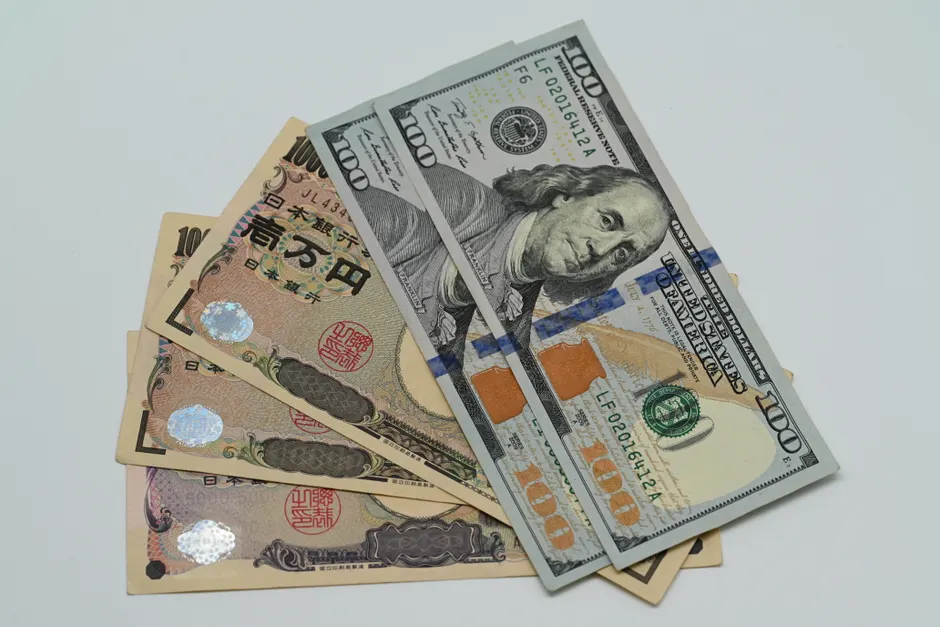
Why Japan's Currency Just Hit a 40-Year Low and Why You Should Care

The Japanese yen fell to 162.41 per dollar on June 30, 2026, its weakest level since 1986, according to Reuters. CNBC logged prices between 162.27 and 162.50 during the day. This is the yen's fourth straight quarter of decline—a steady slide, not a sudden crash.
Why is the yen getting weaker? The Japanese central bank (the Bank of Japan) keeps interest rates near zero. The US Federal Reserve has kept rates much higher. When you can borrow money cheaply in one currency and lend it somewhere else for more money, that's an attractive deal. Traders and banks have been borrowing in yen and moving that money into dollar investments. The more money that leaves Japan, the weaker the yen becomes—and the weaker it becomes, the cheaper it gets to borrow yen in the first place, so the cycle continues.
A weak yen matters for ordinary people in Japan. If you need to buy imported food or energy, you pay more in yen when the currency is weak. Picture it like this: a weak yen is like having a discount card that lets other countries buy Japanese goods cheaply, but it also means Japanese people have to pay full price—or more—for things from abroad. The Bank of Japan says this price pressure is about supply shortages, not too much money chasing goods, so they keep rates low. That keeps the yen weak.
Could the government fix this? Yes, technically. Japan's Ministry of Finance can order the central bank to sell dollars and buy yen, which would push the yen higher. It has done this before, in 2022 and 2024, with temporary results. But fighting this problem with government action alone is expensive and does not last long. What would really help is if the US Federal Reserve cut interest rates, or if Japan raised rates and its economy could handle it. Neither is happening soon.
For Japanese companies that sell things abroad, a weak yen is actually good news. If a Japanese car maker earns a million dollars from exports and converts it back to yen, they get more yen when the exchange rate is 162 per dollar than they would at a stronger rate. This is why some Japanese stock prices have held steady even as the yen fell.
The question now is whether the yen will keep sliding through the summer. If it does, and Japan's central bank stays quiet, political pressure will build on the government to step in or work with the US Federal Reserve, just as they did in 2024. A sharp, chaotic drop in the yen could make inflation expectations worse and trap the Bank of Japan in its low-rate policy longer. A slow decline is something markets can absorb; a panic is not.