Why Japan's Warnings Aren't Stopping the Dollar From Rising
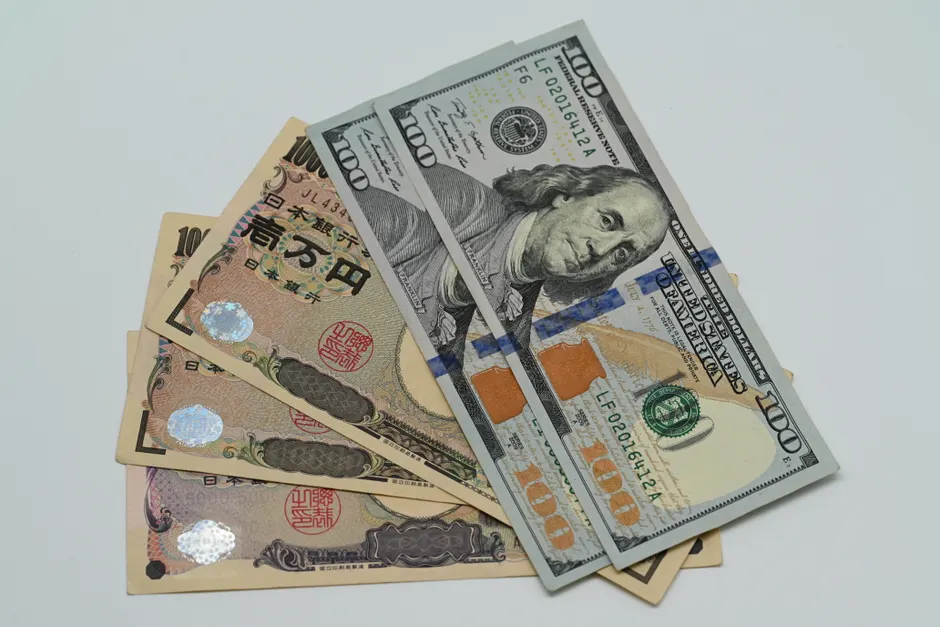
The dollar reached 162.77 yen on July 1, 2026—the strongest it has been in 40 years, according to Reuters. Japan's government has warned traders for weeks that this won't be tolerated. Yet the yen keeps falling.
The disconnect is the point. When a government official says "we're watching this closely" or "excessive moves are concerning," traders listen for about a day. Then they go back to making money. Japan Times reported that once the yen fell below a certain threshold on June 30, traders stopped taking those warnings seriously.
Here's why the warnings feel hollow: there's too much money to be made ignoring them. A trader can borrow yen—Japanese money is cheap to borrow right now—convert it to dollars, and lock in higher returns. The U.S. has higher interest rates than Japan does. So if you borrow at 0.5% in yen and invest at 5% in dollars, you pocket the difference every day. Verbal threats from Tokyo don't change that math.
What Japan Could Actually Do
Japan's government has a heavier weapon: actual money. The Ministry of Finance can order the Bank of Japan to directly buy yen and sell dollars in the currency market, just like a very large trader placing an order. This is called intervention. Japan did this in 2022, spending roughly ¥9.2 trillion (about $60 billion) and pushing the dollar lower for a while. But once U.S. interest rates stayed high, the dollar climbed again.
The question traders are asking now: will Japan spend the money again, or just keep making threats? And at what dollar-yen level will they act? If they wait until 165, that's another mile. If they act at 163, markets will have to recalibrate. The Wall Street Journal reported that traders are braced for this, which ironically means many have already hedged against it happening.
Why This Matters to People, Not Just Traders
When the yen is weak, Japanese families pay more for imported food, fuel, and goods. A weak yen also makes Japanese exports cheaper to foreign buyers, which can help some companies but may not benefit workers if profits don't translate to wages.
Even if Japan does spend big money to shore up the yen, it may not stick. The core problem is that U.S. interest rates are much higher than Japanese rates. For a real fix, either the Federal Reserve would need to cut rates, or Japan would need to raise them enough that traders stop wanting to bet against the yen. Neither looks likely soon.
For now, the market will watch whether the dollar cracks through 163. If it does without Japan stepping in, the next target is 165. Every notch higher puts more political pressure on Tokyo to act.


