Britain's Big Defence Spending Plan: What It Means and What Remains Unclear

Britain's Big Defence Spending Plan: What It Means and What Remains Unclear
The UK government announced on June 30, 2026, that it would spend £15 billion in new defence money to upgrade the military. Prime Minister Keir Starmer had promised this plan would be ready before a NATO meeting on July 7 in The Hague — a deadline he met.
The commitment involves a path toward spending 2.7% of what Britain's economy produces each year on defence. Starmer has pledged to reach 2.5% by 2027 and 3% after that. He calls this the largest increase in defence spending since the Cold War ended.
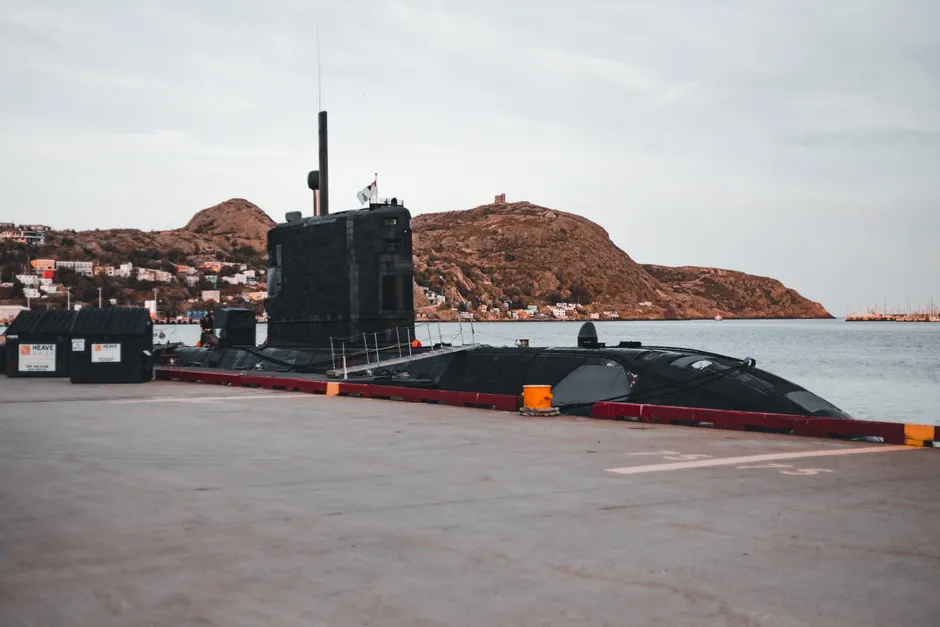
The biggest piece of the plan is nuclear weapons. The government has allocated more than £63 billion over four years to maintain Britain's nuclear deterrent and build new submarines. The Dreadnought-class submarines alone will cost £41 billion and are designed to replace older boats that patrol the oceans with nuclear weapons as a permanent backup if Britain is attacked. The plan also includes £5 billion for restocking ammunition, updating nuclear facilities, and a submarine project called AUKUS, which Britain is building with the United States and Australia.
The Missing Money Question
Here is what the government has not explained: where will the money actually come from? The Treasury — the department that manages government finances — has not released the full details of how it will pay for all this. This matters because it affects other parts of public life. Mayor Andy Burnham of Greater Manchester says his city now faces a £4.7 billion budget hole connected to how the defence plan is being funded — a sign that the costs are being pushed somewhere else in the government's budget.
This pattern is familiar in British defence spending: announce the big number and the long-term goal, then leave the money question for later. It builds political momentum. But it also carries a cost. A former senior military officer has argued that plans without concrete financial details do not convince investors to put money into Britain's defence industry. Companies that build weapons and military equipment need to know contracts are actually coming, not just promised.
Why Timing Matters
The NATO summit on July 7 is the reason the government rushed to finish this plan. Alliance members are being pushed to spend 3% of their annual economic output on defence — a threshold that was once optional but has become mandatory in practice since Russia invaded Ukraine in 2022. Publishing a real plan before the meeting allows Britain to make firm commitments rather than repeat old promises.
The nuclear submarines and AUKUS project also feed into broader NATO conversations about how to deter Russia, and into separate discussions among Britain, the United States, and Australia about submarine cooperation.
Britain is juggling three big tasks at once: keeping the nuclear deterrent working through the Dreadnought programme, delivering submarines to Australia on schedule through AUKUS, and rebuilding conventional military supplies — particularly ammunition — that have run down over two decades of peace. The £63 billion nuclear allocation takes up most of the available money, which leaves less room for the conventional forces that NATO allies on Russia's border are watching most closely.
Whether the Treasury can show how it will actually pay for all this before the NATO summit will determine whether this plan is a real signal of Britain's commitment or simply a promise that still needs to be made concrete.