Britain's New Defence Budget Explained: What £15 Billion Means
On 30 June 2026, the UK government announced it would spend £15 billion more on defence over the next ten years. The defence budget will grow to approximately £80 billion per year by 2029 — more than double what it was just a few years ago.
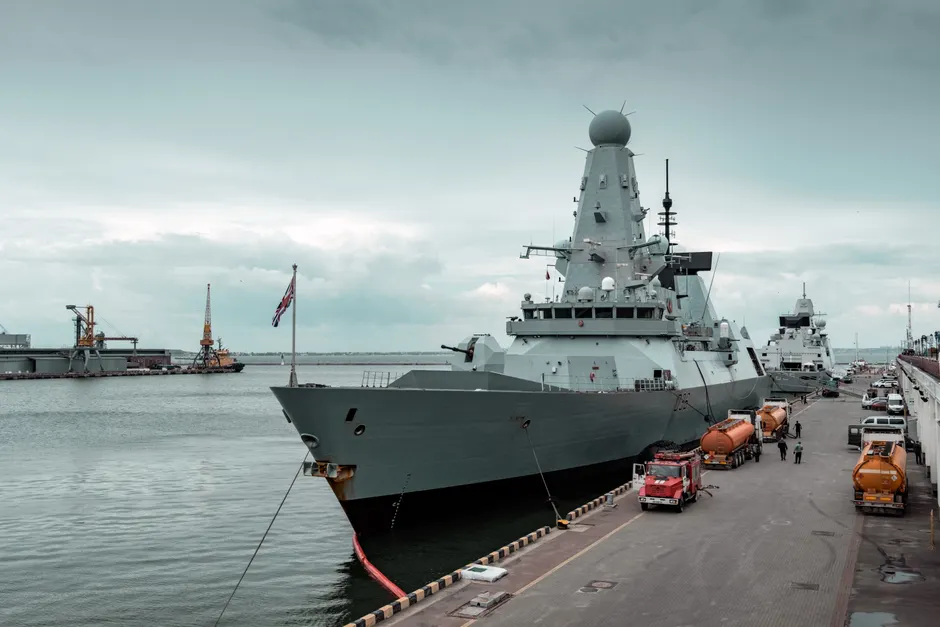
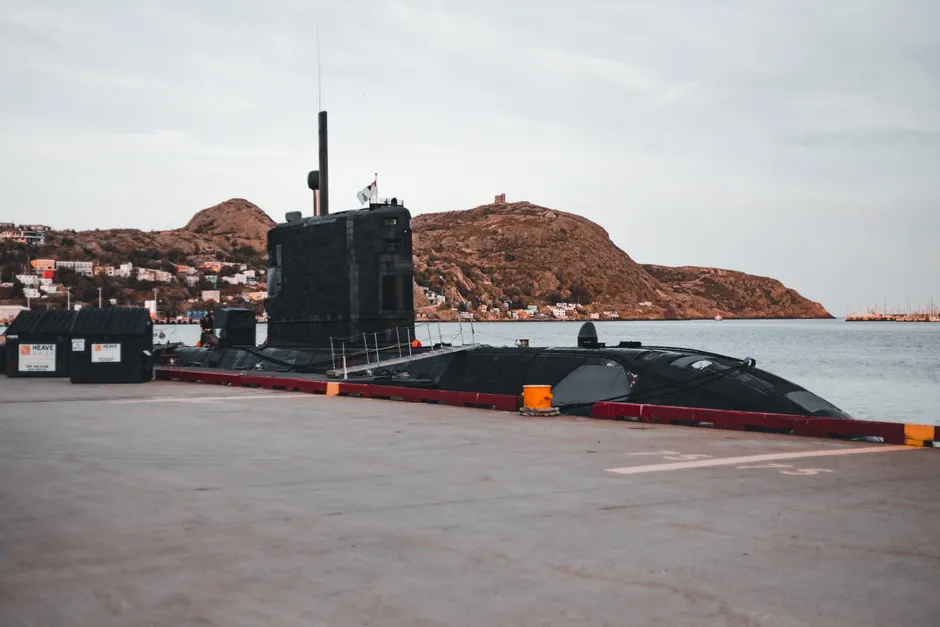
Where is the money going? About £11 billion will buy ammunition and weapons stockpiles, including missiles that can strike targets far away. Over £5 billion goes to drones — the unmanned aircraft that have become crucial in modern warfare. Another £26 billion over ten years will upgrade military bases and ports, particularly those used by the Royal Navy.
Prime Minister Keir Starmer announced the plan in a speech on 30 June. The timing was strategic: he wanted to show NATO allies the detailed plan one week before they met at a summit in Ankara, Turkey. In alliance meetings, showing up with a real, costed plan carries more weight than just a political promise.
The plan took longer to develop than expected. Reuters reported on 5 June that it had been delayed for over a year, with military leaders warning publicly that more time could not be wasted. Because the plan came out just two weeks before the NATO summit, there was limited time for Parliament to debate it in detail — a choice the government accepted.
Why these three priorities? The ammunition stockpile gap became obvious during Russia's invasion of Ukraine in 2022. Western countries had built up supplies assuming small, limited conflicts — but Ukraine showed that large wars burn through ammunition very quickly. The drone investment reflects how warfare has changed. Since 2022, unmanned aircraft have become as important as traditional pilots and ground troops. The naval base upgrades matter because having ships and submarines is only useful if you can maintain and send them out quickly — that depends on having good ports at home.
The numbers come with a catch. Getting from £74 billion in 2027–28 to £80 billion by 2029 means finding extra money somewhere — either taking it from other parts of government or betting that the economy will grow enough to create room in the budget. Neither is simple politically. The letter from the Prime Minister to the Defence Secretary on 11 June called this unprecedented for peacetime British defence spending — which is true compared to the last thirty years, though inflation will affect what the money actually buys.
The real test will come at future budget meetings. It is easy to announce a plan; it is harder to stick to it year after year when other priorities emerge. Britain's NATO allies will be watching whether this commitment holds or whether the spending gets reduced in a few years. That consistency — or lack of it — shapes how seriously other countries take British defence promises.