What Britain's New £120 Billion Defence Plan Actually Does
On 30 June 2026, the UK Prime Minister announced a major defence spending plan: the country will spend 4.2% of its national income on military capabilities — more than most other countries and one of NATO's highest rates. The plan focuses on new warships, laser weapons, drones, and a major research facility. It is one of the broadest military announcements Britain has made in over 25 years.
What Gets Built
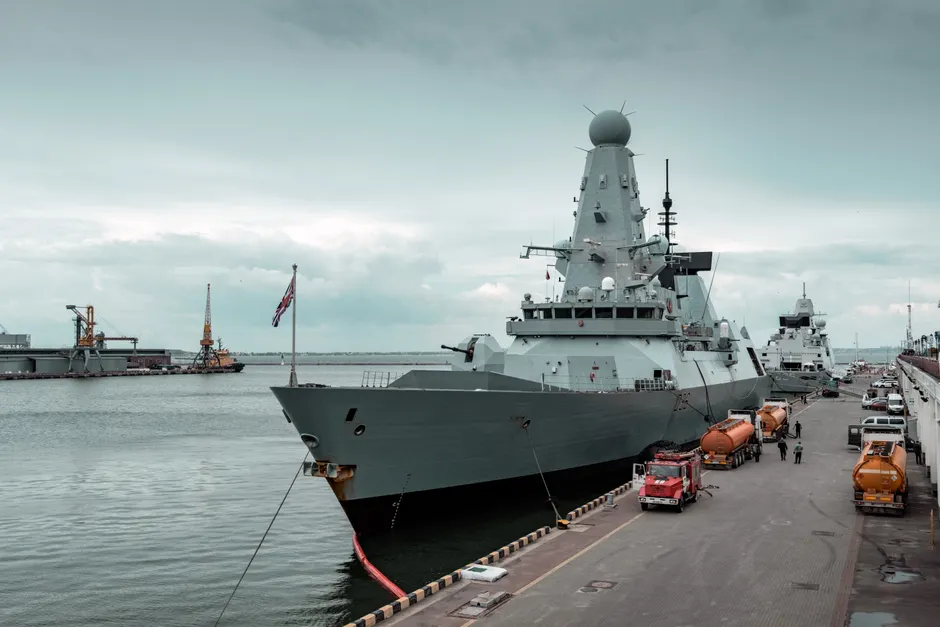
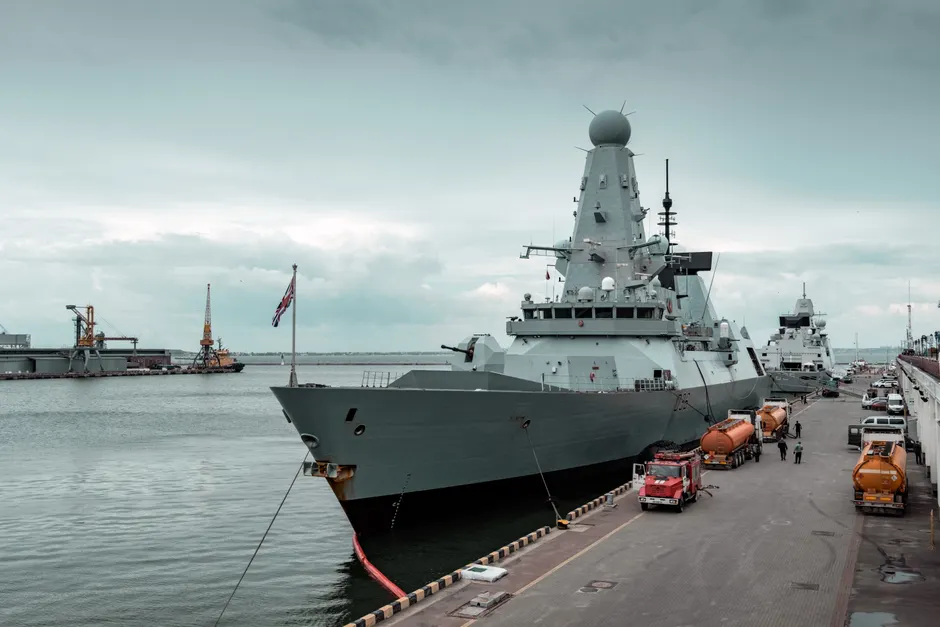
The Royal Navy will receive the most immediate benefit. The government will build at least six new warships with advanced defence systems and upgrade existing missiles on Navy destroyers called Type 45 ships. These upgrades address a known problem: the current Sea Viper missile system struggles when facing multiple enemy missiles arriving at the same time — something military experts have flagged for years.
The plan also funds laser weapons. Several Western countries are now moving laser and high-powered microwave systems from experimental stages toward actual military use. Why? A laser costs far less to fire than a traditional missile. In modern warfare, enemies increasingly use swarms of drones and missiles, so cheaper defences matter enormously.
The biggest single investment goes to drones and AI systems. More than £5 billion will develop unmanned aircraft, vehicles, and ships, plus artificial intelligence that can operate with less human control. This reflects what NATO learned from the war in Ukraine: the future of war will rely on large numbers of unmanned systems that can work automatically.
The government will also build a new research laboratory costing £580 million at a secret location — likely either Porton Down or Dstl Porton, though officials have not said which. These facilities take years to be useful, but placing it in a classified location suggests it will work on secret military projects rather than open science.
The Catch: Can Britain Actually Deliver?
There is a problem beneath these big numbers. A BBC analysis from 16 June 2026 found that UK defence spending does not produce as much military capability as it used to. In the 1980s, Britain spent less money but got more done. The issue is not just how much is spent but how much is wasted — expensive bureaucracy, outdated contracts, and poor management drag down results.
Simply spending more money through a broken system will not fix these problems. The real measure of success will come later: Are warships delivered on time and on budget? Do drones work as promised? The UK's experience with past projects offers a warning. The Carrier Strike programme and the Ajax armoured vehicle both cost far more and took far longer than planned.
Beyond the numbers, the announcement sends a political message. NATO allies in Eastern Europe — countries like Poland and Estonia that feel threatened by Russia — watch UK spending as reassurance that Britain will stand with them. Raising to 4.2% GDP changes the conversation about military strength in Europe and confirms Britain as a top military power at a moment when European defence is evolving. The question planners in Warsaw, Tallinn, and Brussels are quietly asking is whether the money will actually produce troops and weapons when they are needed.