Berlin's Bunker Problem: Tear It Down or Keep It Standing?
Berlin's Bunker Problem: Tear It Down or Keep It Standing?
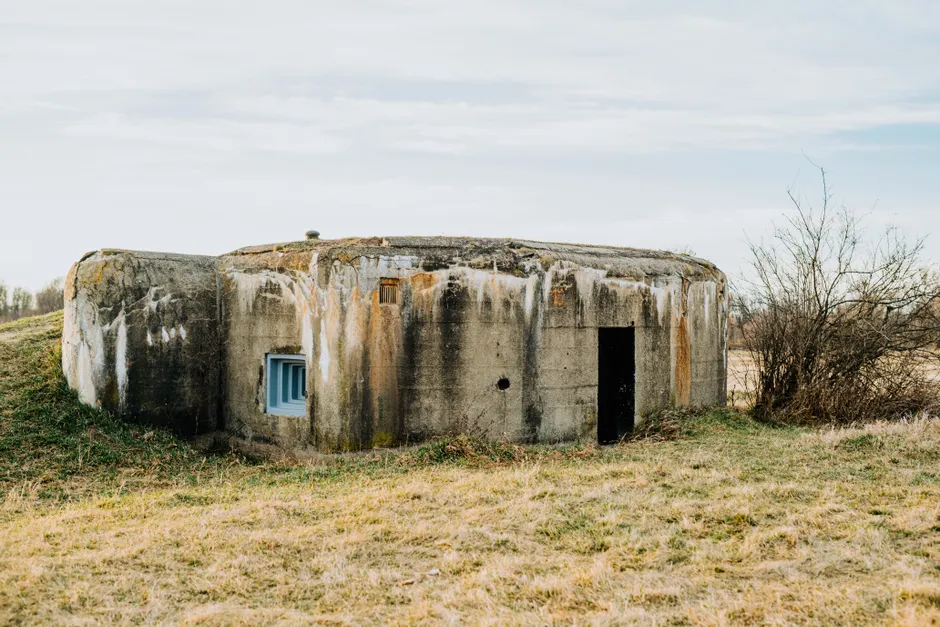
Berlin is debating whether to demolish a Nazi-era bunker to make room for apartment buildings. The question sounds straightforward, but it touches on something much deeper: how should Germany remember and deal with the physical places left behind by the Nazi period?
The bunker sits near where Adolf Hitler's command center — the Führerbunker — once stood. Hitler died there in April 1945. Today, that spot is a car park with a small sign explaining what used to be there. For decades, this approach has been Germany's answer to a delicate problem: don't erase the past, but don't turn it into a shrine either.
The bunker scheduled for demolition is connected to that original site. Plans to replace it with apartments have now sparked a real argument among historians, heritage experts, and city officials about whether tearing it down is the right call.
One side says demolishing the bunker is itself a form of destroying history. According to writing in The Spectator Australia in July 2026, preserving the actual buildings matters because you can learn things from the real structure that you cannot learn from a plaque or a document. As these physical remnants become rarer, the argument goes, we should keep what we have.
The other side counters that Nazi sites should not become monuments or pilgrimage destinations. Building apartments on this land is a practical, honest use of the space. Berlin needs housing badly, and turning contested ground into homes serves everyone better than leaving it as a relic. This reflects how Germany has actually handled these sites over time: sometimes preserving them, sometimes removing them.
But there is a complication. The car park above the old Führerbunker has become a draw for dark tourists — people who visit sites connected to dark historical events, according to NPR reporting from September 2025. Even though the spot is deliberately unmarked and unremarkable, visitors still come. If the bunker is demolished, that interest may not go away. It may actually intensify around the absence.
Germany has never had a single, consistent rule for what to do with Nazi-era sites. The Nuremberg Rally grounds, where Nazis held massive gatherings, are preserved and explained. Spandau Prison, where a high-ranking Nazi prisoner spent his last decades, was torn down in 1987 and is now a car park. Each case gets decided separately, balancing what historians think matters, what the public needs, and what developers and city planners want to do.
The planning dispute has drawn international attention, with outlets like GB News covering it in July 2026 as a clash between preserving heritage and building new housing. Even outlets in Belarus picked up the story, a sign that Germany's debates about how to remember this history still echo across Europe. Every country in the region was shaped by what happened during the Nazi era, so how Germany deals with it matters widely.
What happens next depends on Berlin's planning system and whether the bunker has any official protection. Germany has a heritage law — called Denkmalschutz — that can protect structures of historical importance. But it is not always clear whether laws designed to protect buildings worth admiring should also protect buildings associated with perpetrators. If the bunker is not officially listed, demolition may go forward. If it is protected, the fight moves to the courts.
Here is what makes this genuinely difficult. The people who lived through the Nazi period are aging, and soon there will be no one left with firsthand memory. When that happens, the actual buildings themselves take on more weight — they become the evidence. Tearing them down closes off choices that future teachers and historians might want to make. Keeping them risks making perpetrator sites seem important or grand in a way they should not be. Neither answer is obviously right. That is why this debate in Berlin will not be resolved easily.


