What Happened When Two Major Earthquakes Hit Venezuela
Two powerful earthquakes struck Venezuela on June 24, 2026, killing 2,295 people and injuring 3,150 more. Now the country faces a new crisis: families cannot identify the bodies of their dead because the system is overwhelmed. Associated Press reported in early July that funeral vehicles were lined up outside temporary morgues, with relatives waiting to learn if their missing family members were among the dead.
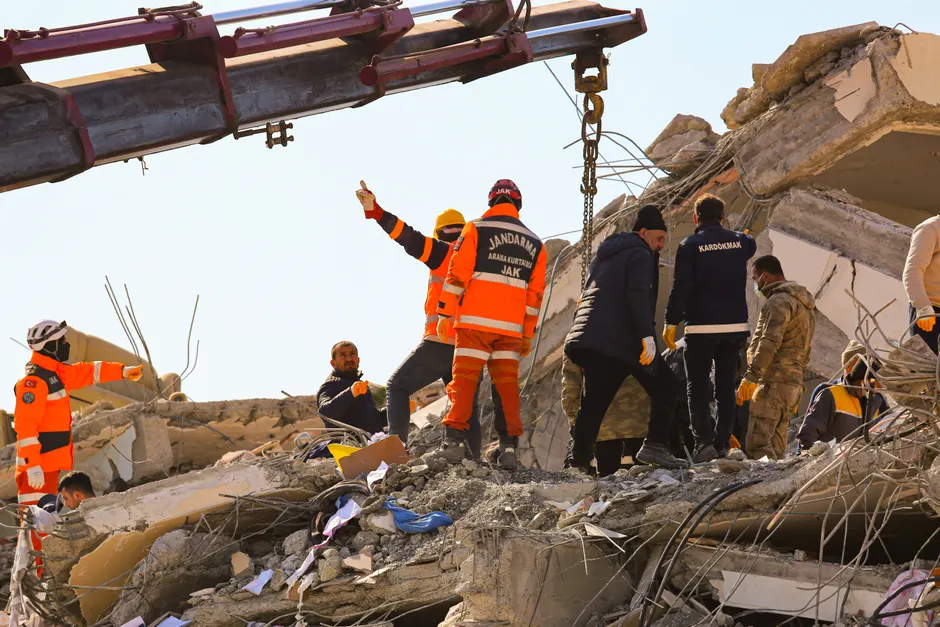
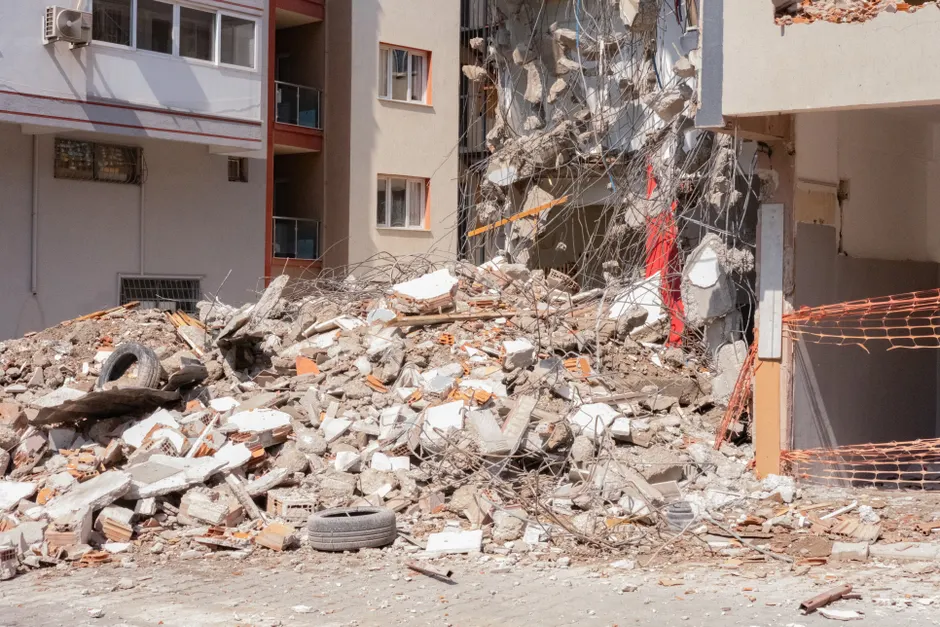
The first earthquake measured 7.2 in strength and hit about 160 kilometers west of the capital, Caracas, near a town called San Felipe. Less than a minute later, a second quake measuring 7.5 struck the same area. When two big earthquakes happen this close together, the damage compounds — the ground is already fractured and weakened by the first shock. Reuters documented what happened that day. The death count grew rapidly: by June 28, officials were confirming over 1,400 deaths, and by July 1, the National Assembly reported 2,295 dead. Spain reported that at least 26 of its citizens were among those killed. Rescue workers kept finding survivors in the rubble for days — one security guard was pulled alive from the debris a full week later, according to Reuters.
The Money Problem
The earthquakes caused over $10 billion in damage, according to damage estimates from Verisk. That sounds like a large number — and it is — but it lands especially hard in Venezuela. The country's economy has shrunk by about three-quarters since 2013, and most people have little savings or insurance. When disaster hits, there is almost nowhere for families to turn for help except the government and aid organizations.
Rebuilding will be difficult. Venezuela owes money to many countries and international lenders, and the United States and Europe have imposed economic sanctions on the country. These problems make it harder for Venezuela to borrow money for reconstruction.
The Government Struggles to Keep Up
The government's relief efforts have not kept pace with the disaster. By early July, young survivors had taken over running several shelters for people who lost their homes, Reuters reported — a sign that official support was slow to arrive. The country's seismological institute recorded more than 100 smaller earthquakes in July after the main quakes, keeping people on edge in an already traumatized population.
On July 3, the government promised to be honest and careful about counting the dead — a meaningful pledge because Venezuela's leaders have been accused before of hiding or exaggerating statistics on deaths, economics, and crime. By making this promise public, they have set a standard that international observers, aid groups, and other countries can now use to check whether the government is being truthful.