What Trump Said at Mount Rushmore (and Why It Matters for the Midterms)

President Trump gave a speech at Mount Rushmore on July 3, 2026, during America's 250th-anniversary weekend. He used the famous monument—and the patriotic moment—to make a political argument about the upcoming midterm elections in November.
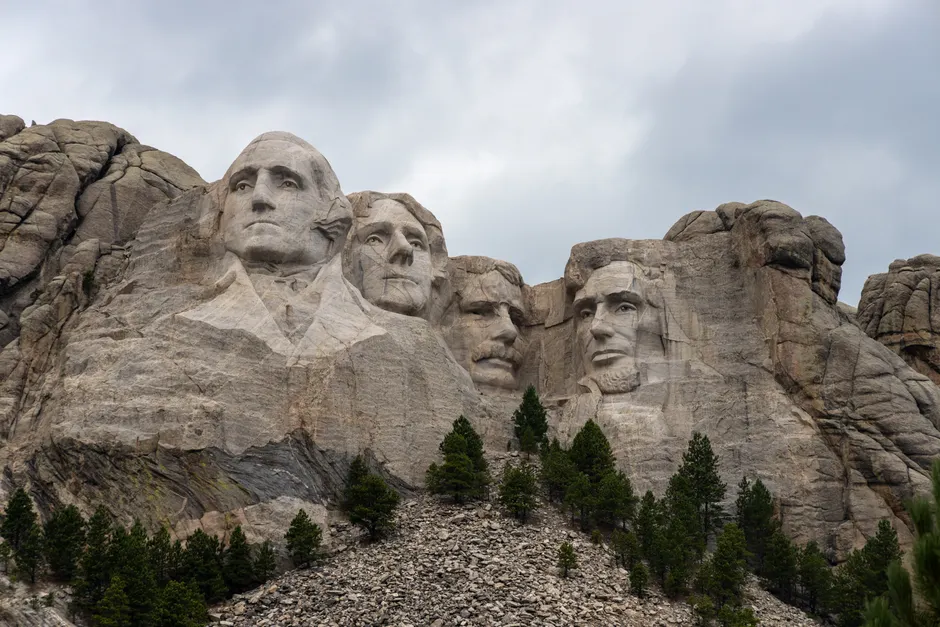
Trump praised the four presidents carved into the mountain: Washington, Jefferson, Theodore Roosevelt, and Lincoln. But his main message was different. He warned that communism was spreading in America and posed a bigger threat than World War I, World War II, or the September 11 attacks. "Communism is the exact opposite of life, liberty and the pursuit of happiness," he said, according to Roll Call's transcript. "It's death, tyranny and the pursuit of evil."
He also talked about immigration. Trump said the country needed to "give our country its identity back" from "newcomers to our country who embrace ideas totally opposed to our way of life." By linking immigration to communism in the same speech, Trump was connecting two concerns that often appear together in his political messaging.
Why this moment matters
Trump's speech wasn't random. The same day, New York City Mayor Zohran Mamdani—a democratic socialist, which means he supports more government involvement in the economy—gave a speech supporting immigrants. The Guardian reported that many saw it as a direct response to Trump's message. The two politicians offered opposite views about what America should be.
Mamdani's speech reflected something larger happening in the Democratic Party. Progressive candidates—people with left-wing views—have been winning Democratic primary elections in New York, Colorado, Kentucky, New Jersey, Ohio, Pennsylvania, and Texas. This is unusual. The Democratic Party's left wing has typically struggled in primaries, but that's changing heading into the midterms.
Trump's argument about communism is really a midterm campaign strategy. With control of Congress at stake, he's trying to unite Republican voters and persuade undecided voters by framing the election as a choice between communism and American values. The 250th-anniversary celebration gave him a powerful patriotic stage that his opponents cannot use the same way.
The immigration part of his message follows similar logic. Instead of debating whether his administration deported enough people or whether the courts are processing cases quickly, Trump shifted the conversation. Now it's about whether immigrants share American values—a question where polling shows voters lean toward his side more often.
One curious detail: Trump has never ruled out the idea of having his own face added to Mount Rushmore someday. By giving this speech at Mount Rushmore, with his words recorded officially, he created a symbolic link to the monument that will last whether or not that idea ever moves forward.
The fireworks and jet flyovers will be what people remember seeing. But underneath, Trump used a patriotic holiday to reframe the election as a fight between two different visions of America. That's the calculation political strategists will be watching closely until November.